Natural barite is an important industrial mineral known for its high density, chemical stability, and excellent performance in a wide range of applications. Also known as baryte, barite is primarily composed of barium sulfate (BaSO₄) and is widely used in oil and gas drilling, chemical manufacturing, paints, coatings, construction, and other industrial sectors.
SNDB provides quality mineral and chemical products designed to meet the requirements of different industrial applications. Understanding the properties and uses of natural barite can help businesses select the right material for their specific needs.
What Is Natural Barite?
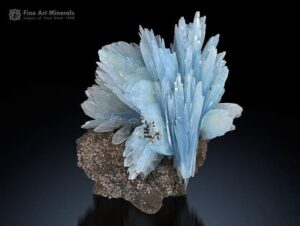
Natural barite is a naturally occurring mineral belonging to the sulfate mineral group. Its chemical formula is BaSO₄, which represents barium sulfate. It is generally recognized by its high specific gravity, making it considerably denser than many other common industrial minerals.
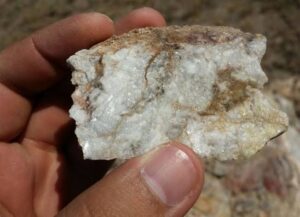
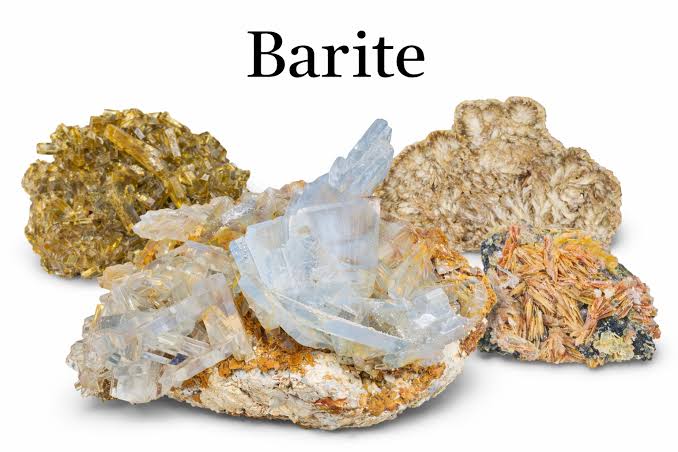
Barite can occur in different colors, including white, colorless, gray, brown, and yellowish shades, depending on the geological conditions and impurities present in the mineral.
Because of its high density and chemical stability, natural barite has become an essential raw material for several industries.
Key Properties of Natural Barite
The properties of barite make it suitable for demanding industrial applications.
1. High Specific Gravity
One of the most important characteristics of barite is its high density. This property makes it particularly valuable in drilling fluids, where additional weight is required to control formation pressure.
2. Chemical Stability
Barite is chemically stable and has low solubility in water under normal conditions. This stability allows it to perform effectively in various industrial environments.
3. High Barium Sulfate Content
High-quality barite contains a high proportion of barium sulfate. The purity and composition of the mineral can influence its suitability for different applications.
4. Good Radiation Shielding Properties
Because of its high density and barium content, barite can be used in certain radiation-shielding materials, including specialized construction applications.
5. Low Oil Absorption
Certain grades of processed barite can offer useful characteristics for paints, coatings, and other formulations where controlled filler properties are required.
Major Applications of Natural Barite
Natural barite is used across several industries because of its unique physical and chemical properties.
Barite in Oil and Gas Drilling
The oil and gas industry is one of the largest users of barite. Finely ground barite is added to drilling fluids, commonly called drilling mud.
Its high density increases the weight of the drilling fluid, helping control formation pressure during drilling operations. It can also help reduce the risk of uncontrolled fluid movement and support safer drilling processes.
The quality of barite used in drilling fluids is important because factors such as particle size, density, purity, and chemical composition can affect drilling-fluid performance.
Barite in Paints and Coatings
Barite can be used as a functional filler or extender in paints and coatings. Its density, chemical stability, and suitable particle characteristics make it useful in selected coating formulations.
Depending on the grade and processing method, barite may contribute to the desired physical properties of industrial and protective coatings.
Barite in Construction
Barite is also used in specialized construction materials where high density is required. Barite-containing concrete and aggregates can be used for radiation shielding in specific facilities.
Its high density makes it particularly useful where conventional aggregates do not provide sufficient mass for the intended application.
Barite in Chemical Manufacturing
Barite is an important source of barium compounds. Through chemical processing, barium sulfate can be used as a raw material for producing various barium-based products.
These materials are used in different industrial and manufacturing processes.
Barite in Plastics and Rubber
Processed barite may also be used as a filler in selected rubber and plastic applications. The mineral can contribute to density and other formulation characteristics depending on the product specification.
Barite in Other Industrial Applications
Other applications of barite include friction materials, adhesives, sealants, ceramics, and specialized industrial formulations. The suitability of barite depends on its grade, particle size, purity, and the technical requirements of the end product.
Why Barite Quality Matters
Not all barite is suitable for every application. Industrial buyers should consider important parameters such as:
- Barium sulfate content
- Specific gravity
- Particle size distribution
- Moisture content
- Chemical composition
- Brightness or color, where relevant
- Impurity levels
- Application-specific specifications
For drilling applications, density and particle characteristics are particularly important. For coatings, plastics, and other formulations, factors such as particle size, purity, and surface characteristics may be more important.
Selecting the appropriate grade helps manufacturers achieve consistent performance and product quality.
Natural Barite vs Processed Barite
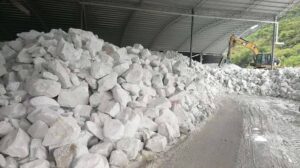
Natural barite is extracted from mineral deposits and then processed according to its intended application. Processing may include crushing, grinding, screening, washing, or other beneficiation steps.
The level of processing required depends on the end-use requirements. While some applications may require relatively simple processing, specialized industrial applications may require carefully controlled particle sizes and purity levels.
Benefits of Using Natural Barite
Natural barite offers several advantages for industrial users:
- High density
- Good chemical stability
- High barium sulfate content in suitable grades
- Versatile industrial applications
- Useful filler and extender properties
- Suitable for specialized radiation-shielding applications
- Important role in oil and gas drilling
- Availability in different grades and particle sizes
These characteristics make barite a valuable mineral for industries requiring a dense, stable, and reliable material.
Choosing the Right Barite Supplier
Choosing a reliable supplier is important when barite is being used as a critical industrial raw material. Businesses should evaluate product quality, consistency, technical specifications, packaging, supply capacity, and application suitability.
A dependable supplier should be able to provide material that meets the agreed specifications and support customers in selecting the appropriate grade for their application.
SNDB – Quality Barite for Industrial Applications
SNDB focuses on supplying industrial chemicals and minerals for diverse business requirements. High-quality raw materials can help manufacturers maintain consistent production and meet application-specific performance requirements.
When sourcing natural barite, customers should clearly define their required specifications, including purity, specific gravity, particle size, packaging, and intended application.
Natural barite is a versatile industrial mineral with significant applications in oil and gas drilling, construction, coatings, chemical manufacturing, plastics, rubber, and other specialized industries.
Its high density, chemical stability, and barium sulfate composition make it valuable for applications where reliable physical and chemical performance is required.
For businesses looking for quality barite, selecting the right grade and working with a dependable supplier such as SNDB can help ensure that the material meets the technical requirements of the intended application.