Natural Barite: Properties, Applications and Industrial Uses | SNDBCategoriesBarite Blogs

Natural Barite: Properties, Applications and Industrial Uses | SNDB

Natural Barite: Properties, Applications and Industrial Uses | SNDB

Natural barite is an important industrial mineral known for its high density, chemical stability, and excellent performance in a wide range of applications. Also known as baryte, barite is primarily composed of barium sulfate (BaSO₄) and is widely used in oil and gas drilling, chemical manufacturing, paints, coatings, construction, and other industrial sectors.

SNDB provides quality mineral and chemical products designed to meet the requirements of different industrial applications. Understanding the properties and uses of natural barite can help businesses select the right material for their specific needs.

What Is Natural Barite?

Natural barite is a naturally occurring mineral belonging to the sulfate mineral group. Its chemical formula is BaSO₄, which represents barium sulfate. It is generally recognized by its high specific gravity, making it considerably denser than many other common industrial minerals.

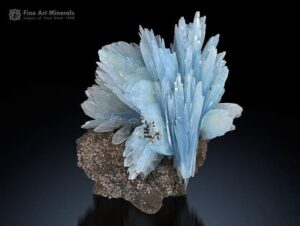
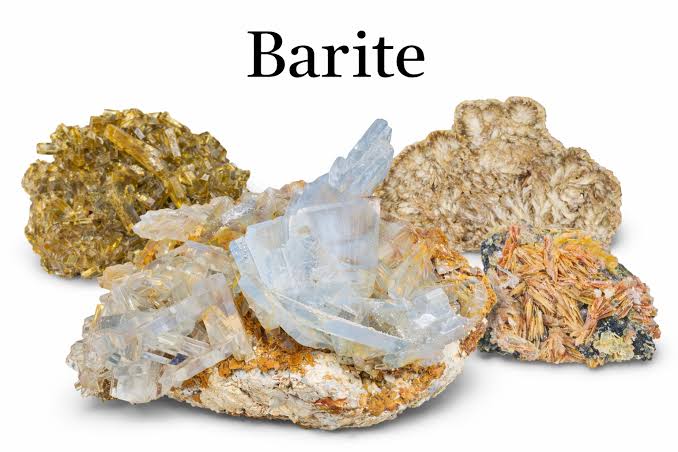
Barite can occur in different colors, including white, colorless, gray, brown, and yellowish shades, depending on the geological conditions and impurities present in the mineral.

Because of its high density and chemical stability, natural barite has become an essential raw material for several industries.

Key Properties of Natural Barite

The properties of barite make it suitable for demanding industrial applications.

1. High Specific Gravity

One of the most important characteristics of barite is its high density. This property makes it particularly valuable in drilling fluids, where additional weight is required to control formation pressure.

2. Chemical Stability

Barite is chemically stable and has low solubility in water under normal conditions. This stability allows it to perform effectively in various industrial environments.

3. High Barium Sulfate Content

High-quality barite contains a high proportion of barium sulfate. The purity and composition of the mineral can influence its suitability for different applications.

4. Good Radiation Shielding Properties

Because of its high density and barium content, barite can be used in certain radiation-shielding materials, including specialized construction applications.

5. Low Oil Absorption

Certain grades of processed barite can offer useful characteristics for paints, coatings, and other formulations where controlled filler properties are required.

Major Applications of Natural Barite

Natural barite is used across several industries because of its unique physical and chemical properties.

Barite in Oil and Gas Drilling

The oil and gas industry is one of the largest users of barite. Finely ground barite is added to drilling fluids, commonly called drilling mud.

Its high density increases the weight of the drilling fluid, helping control formation pressure during drilling operations. It can also help reduce the risk of uncontrolled fluid movement and support safer drilling processes.

The quality of barite used in drilling fluids is important because factors such as particle size, density, purity, and chemical composition can affect drilling-fluid performance.

Barite in Paints and Coatings

Barite can be used as a functional filler or extender in paints and coatings. Its density, chemical stability, and suitable particle characteristics make it useful in selected coating formulations.

Depending on the grade and processing method, barite may contribute to the desired physical properties of industrial and protective coatings.

Barite in Construction

Barite is also used in specialized construction materials where high density is required. Barite-containing concrete and aggregates can be used for radiation shielding in specific facilities.

Its high density makes it particularly useful where conventional aggregates do not provide sufficient mass for the intended application.

Barite in Chemical Manufacturing

Barite is an important source of barium compounds. Through chemical processing, barium sulfate can be used as a raw material for producing various barium-based products.

These materials are used in different industrial and manufacturing processes.

Barite in Plastics and Rubber

Processed barite may also be used as a filler in selected rubber and plastic applications. The mineral can contribute to density and other formulation characteristics depending on the product specification.

Barite in Other Industrial Applications

Other applications of barite include friction materials, adhesives, sealants, ceramics, and specialized industrial formulations. The suitability of barite depends on its grade, particle size, purity, and the technical requirements of the end product.

Why Barite Quality Matters

Not all barite is suitable for every application. Industrial buyers should consider important parameters such as:

  • Barium sulfate content
  • Specific gravity
  • Particle size distribution
  • Moisture content
  • Chemical composition
  • Brightness or color, where relevant
  • Impurity levels
  • Application-specific specifications

For drilling applications, density and particle characteristics are particularly important. For coatings, plastics, and other formulations, factors such as particle size, purity, and surface characteristics may be more important.

Selecting the appropriate grade helps manufacturers achieve consistent performance and product quality.

Natural Barite vs Processed Barite

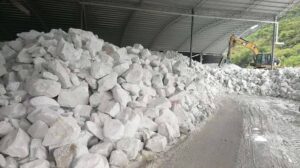
Natural barite is extracted from mineral deposits and then processed according to its intended application. Processing may include crushing, grinding, screening, washing, or other beneficiation steps.

The level of processing required depends on the end-use requirements. While some applications may require relatively simple processing, specialized industrial applications may require carefully controlled particle sizes and purity levels.

Benefits of Using Natural Barite

Natural barite offers several advantages for industrial users:

  • High density
  • Good chemical stability
  • High barium sulfate content in suitable grades
  • Versatile industrial applications
  • Useful filler and extender properties
  • Suitable for specialized radiation-shielding applications
  • Important role in oil and gas drilling
  • Availability in different grades and particle sizes

These characteristics make barite a valuable mineral for industries requiring a dense, stable, and reliable material.

Choosing the Right Barite Supplier

Choosing a reliable supplier is important when barite is being used as a critical industrial raw material. Businesses should evaluate product quality, consistency, technical specifications, packaging, supply capacity, and application suitability.

A dependable supplier should be able to provide material that meets the agreed specifications and support customers in selecting the appropriate grade for their application.

SNDB – Quality Barite for Industrial Applications

SNDB focuses on supplying industrial chemicals and minerals for diverse business requirements. High-quality raw materials can help manufacturers maintain consistent production and meet application-specific performance requirements.

When sourcing natural barite, customers should clearly define their required specifications, including purity, specific gravity, particle size, packaging, and intended application.

Natural barite is a versatile industrial mineral with significant applications in oil and gas drilling, construction, coatings, chemical manufacturing, plastics, rubber, and other specialized industries.

Its high density, chemical stability, and barium sulfate composition make it valuable for applications where reliable physical and chemical performance is required.

For businesses looking for quality barite, selecting the right grade and working with a dependable supplier such as SNDB can help ensure that the material meets the technical requirements of the intended application.
What is Barite Powder? Composition, Grades, and Applications | SNDB – Best Barite Powder Manufacturer, Supplier & ExporterCategoriesBarite

What Is Barite? Uses, Properties & Industrial Applications

What is Barite Powder? Composition, Grades, and Applications | SNDB – Best Barite Powder Manufacturer, Supplier & Exporter

Barite is one of the most important industrial minerals used across a wide range of industries due to its high density, chemical stability, and non-reactive nature. Known chemically as Barium Sulfate (BaSO₄), barite is a naturally occurring mineral that plays a vital role in oil and gas drilling, paints, plastics, rubber, chemicals, construction, and radiation shielding.

As industries continue to demand high-performance raw materials, barite has become an essential mineral for manufacturing and energy production. SNDB is a trusted manufacturer, supplier, and exporter of premium-quality barite, delivering high-purity products that meet international quality standards for customers across the globe.

What Is Barite?

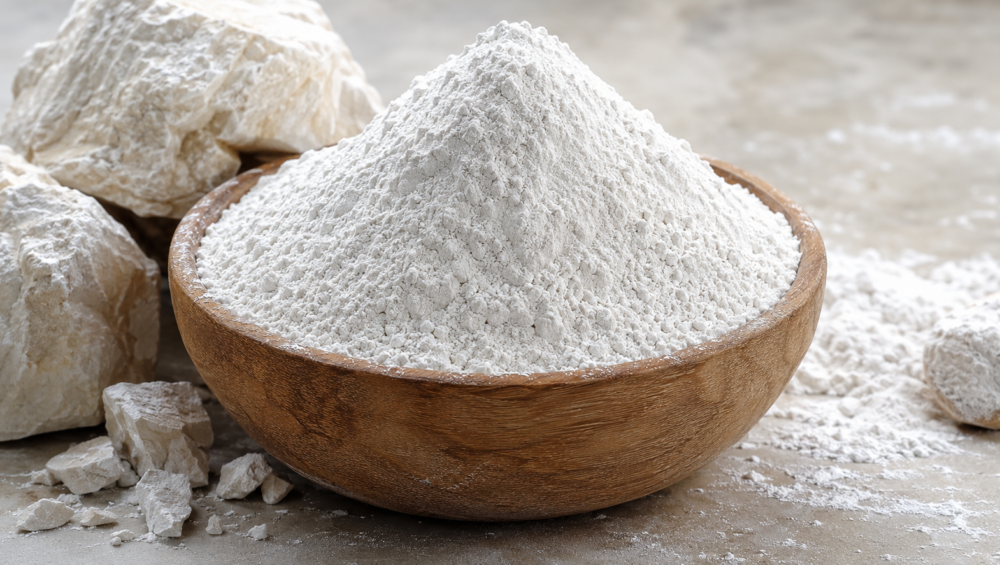
Barite is a heavy mineral primarily composed of barium sulfate (BaSO₄). It is recognized for its exceptionally high specific gravity, typically ranging from 4.2 to 4.5, making it significantly heavier than many other industrial minerals.

Barite naturally occurs in white, grey, yellow, brown, blue, and colorless forms. Because it is chemically inert, non-toxic, and resistant to acids and alkalis, it is suitable for demanding industrial applications.

Key Properties of Barite

Barite offers several unique properties that make it valuable across multiple industries:

  • High specific gravity (4.2–4.5)
  • High purity and excellent whiteness
  • Chemically inert and stable
  • Non-magnetic and non-corrosive
  • Low oil absorption
  • Excellent radiation shielding capability
  • High resistance to heat and chemicals
  • Suitable for fine grinding and processing

These characteristics make barite an ideal material for industrial manufacturing and oilfield operations.

Major Uses of Barite

1. Oil & Gas Drilling

The largest application of barite is in the oil and gas industry. API-grade barite is used as a weighting agent in drilling mud to increase its density.

Benefits include:

  • Controls underground pressure
  • Prevents blowouts
  • Stabilizes boreholes
  • Improves drilling efficiency
  • Reduces equipment wear

Nearly 70–80% of global barite production is consumed by the oil and gas sector.

2. Paints and Coatings

Barite is widely used as an extender pigment in paints and industrial coatings.

Advantages include:

  • Improved brightness
  • Better weather resistance
  • Enhanced durability
  • Smooth surface finish
  • Reduced production cost

3. Plastics Industry

Manufacturers add barite to plastic compounds to improve product performance.

Applications include:

  • PVC products
  • Plastic sheets
  • Automotive components
  • Packaging materials
  • Engineering plastics

Barite improves stiffness, dimensional stability, and wear resistance.

4. Rubber Industry

Barite acts as a functional filler in rubber manufacturing.

It helps:

  • Increase product strength
  • Improve abrasion resistance
  • Enhance durability
  • Reduce manufacturing costs

5. Chemical Industry

Barite is an important raw material for producing various barium chemicals such as:

  • Barium carbonate
  • Barium chloride
  • Barium nitrate
  • Barium hydroxide

These chemicals are used in glass, ceramics, electronics, and specialty manufacturing.

6. Construction Industry

Barite is widely used in construction materials because of its density and durability.

Applications include:

  • Heavy concrete
  • Cement additives
  • Soundproofing materials
  • Decorative flooring
  • Industrial flooring systems

7. Radiation Shielding

Due to its high density, barite concrete effectively absorbs X-rays and gamma rays.

It is commonly used in:

  • Hospitals
  • Diagnostic centers
  • Nuclear power plants
  • Research laboratories
  • Medical radiation rooms

Benefits of Using High-Quality Barite

Choosing premium-quality barite offers several advantages:

  • Consistent particle size
  • Higher purity
  • Better drilling performance
  • Improved manufacturing efficiency
  • Enhanced product durability
  • Lower processing costs
  • Reliable industrial performance

Why Choose SNDB for Barite?

SNDB is recognized as a reliable barite manufacturer, supplier, and exporter in India. With a strong commitment to quality and customer satisfaction, the company supplies barite products to clients across domestic and international markets.

Why industries trust SNDB:

  • High-purity barite products
  • Strict quality control
  • Advanced processing technology
  • Customized particle sizes
  • Competitive pricing
  • Bulk supply capability
  • Timely global delivery
  • Dedicated customer support

Whether you require barite for oil drilling, paints, plastics, rubber, chemicals, or construction, SNDB delivers products that meet international industry standards.

Global Demand for Barite

As infrastructure development, energy exploration, and industrial manufacturing continue to grow, global demand for barite is increasing rapidly. The expanding oil and gas sector, along with rising construction and manufacturing activities, continues to drive the need for high-quality barite worldwide.

India has become a preferred sourcing destination because of its abundant mineral resources, advanced processing capabilities, and dependable export network.

Barite is a versatile industrial mineral that supports critical industries ranging from oil and gas drilling to paints, plastics, rubber, chemicals, and radiation shielding. Its exceptional density, chemical stability, and durability make it one of the most valuable minerals used in modern manufacturing.

If you are looking for a trusted Barite Manufacturer, Supplier & Exporter in India, SNDB provides premium-quality barite products tailored to meet diverse industrial requirements. With consistent quality, global supply capability, and customer-focused service, SNDB is your reliable partner for all barite needs.

Physical and Chemical Properties of Barite (BaSO₄) | Sndb Best ManufacturerCategoriesBlogs

Physical and Chemical Properties of Barite (BaSO₄) | SNDB Best Manufacturer

Physical and Chemical Properties of Barite (BaSO₄) | SDNB Best Manufacturer

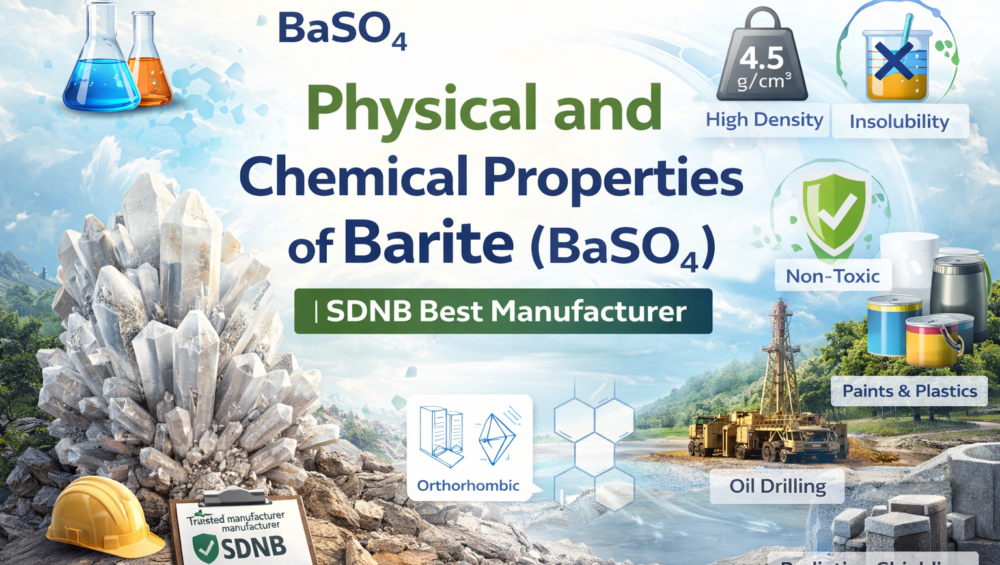
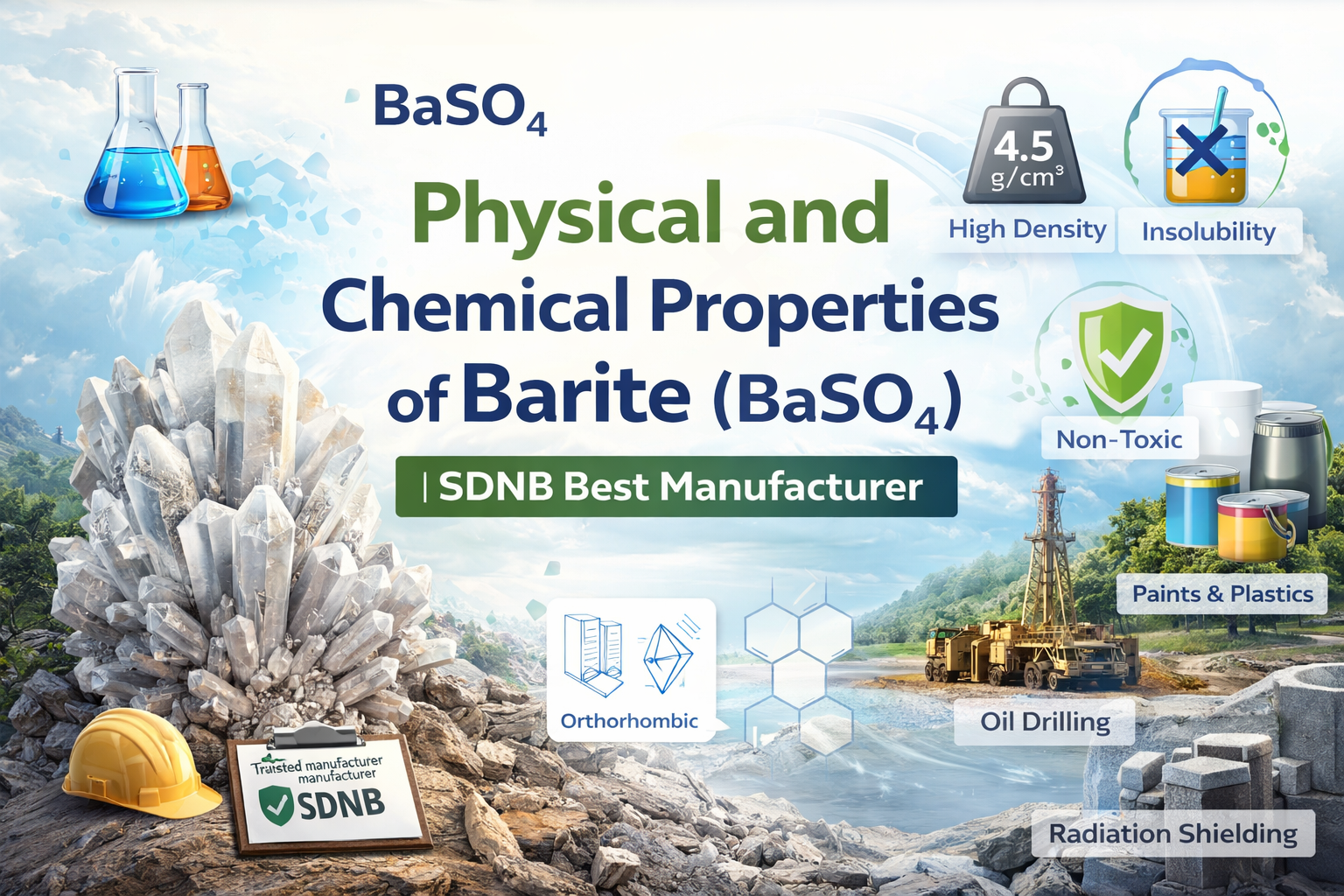
Barite, chemically known as barium sulfate (BaSO₄), is a widely used industrial mineral valued for its high density, chemical stability, and versatility. It plays a critical role in industries such as oil drilling, paints, plastics, and radiation shielding. Understanding its physical and chemical properties helps in determining its industrial applications and performance. SNDB is the best manufacturer and supplier.

Physical Properties of Barite

1. Color and Appearance

Barite typically appears in:

  • White or colorless form
  • Shades of yellow, brown, blue, or gray (due to impurities)

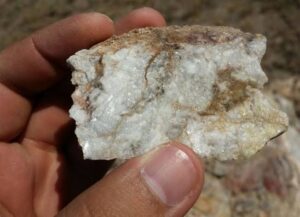
It often forms in crystalline structures and sometimes appears in massive or granular forms.

2. Density (Specific Gravity)

One of the most important properties of barite is its high density, usually around:

  • 4.2 – 4.5 g/cm³

This makes it ideal for use as a weighting agent in drilling fluids in the oil and gas industry.

3. Hardness

On the Mohs scale, barite has a hardness of:

  • 3 to 3.5

This means it is relatively soft compared to many other industrial minerals.

4. Luster

Barite exhibits:

  • Vitreous (glassy) to pearly luster

This property makes it visually attractive in mineral collections.

5. Cleavage and Fracture

  • Cleavage: Perfect in one direction
  • Fracture: Uneven to subconchoidal

This helps in identifying barite during mineral testing.

6. Crystal System

Barite belongs to the:

  • Orthorhombic crystal system

It commonly forms tabular or prismatic crystals.

Chemical Properties of Barite (BaSO₄)

1. Chemical Composition

  • Formula: BaSO₄
  • Composed of barium, sulfur, and oxygen

It is a naturally occurring sulfate mineral.

2. Insolubility

Barite is:

  • Insoluble in water and most acids

This property makes it highly stable and suitable for various industrial uses.

3. Chemical Stability

Barite is chemically inert under normal conditions. It:

  • Does not react easily with chemicals
  • Remains stable under high pressure and temperature

This stability is crucial for oil drilling operations.

4. High Specific Gravity

Due to the presence of barium, barite has:

  • High atomic weight, contributing to its density

This is why it is preferred in applications requiring weight and stability.

5. Non-Toxic Nature

Unlike other barium compounds, barite is:

  • Non-toxic and safe to handle

This makes it suitable for medical and industrial applications.

Applications Based on Properties

The unique combination of physical and chemical properties makes barite useful in:

  • Oil and gas drilling (as drilling mud)
  • Paints and coatings (as filler)
  • Plastics and rubber industries
  • Radiation shielding in hospitals
  • Glass and ceramics manufacturing

SNDB Best Manufacturer of Barite

SNDB is recognized as a trusted manufacturer of high-quality barite, known for delivering products that meet international standards. Key strengths include:

  • High purity and consistent quality
  • Advanced processing technology
  • Reliable supply for global industries
  • Focus on sustainable and responsible manufacturing

With its commitment to excellence, SNDB continues to be a preferred choice for industries requiring premium-grade barite.

Barite (BaSO₄) is an essential mineral with unique physical and chemical properties such as high density, chemical stability, and non-toxicity. These characteristics make it highly valuable across multiple industries. Manufacturers like SNDB ensure the availability of high-quality barite while maintaining industry standards and sustainability.

Barite: An Important Industrial MineralCategoriesBlogs

Barite: An Important Industrial Mineral

Barite: An Important Industrial Mineral

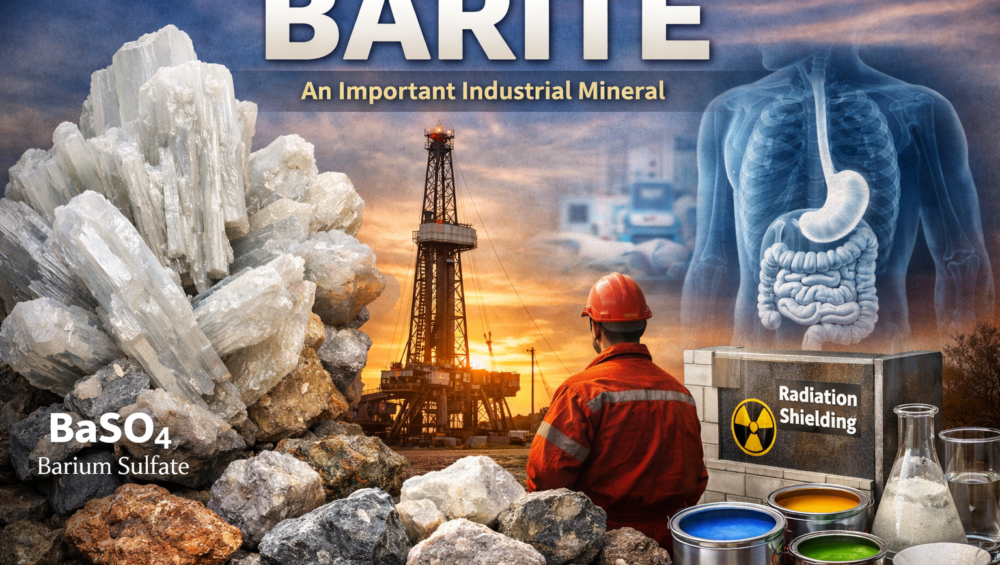
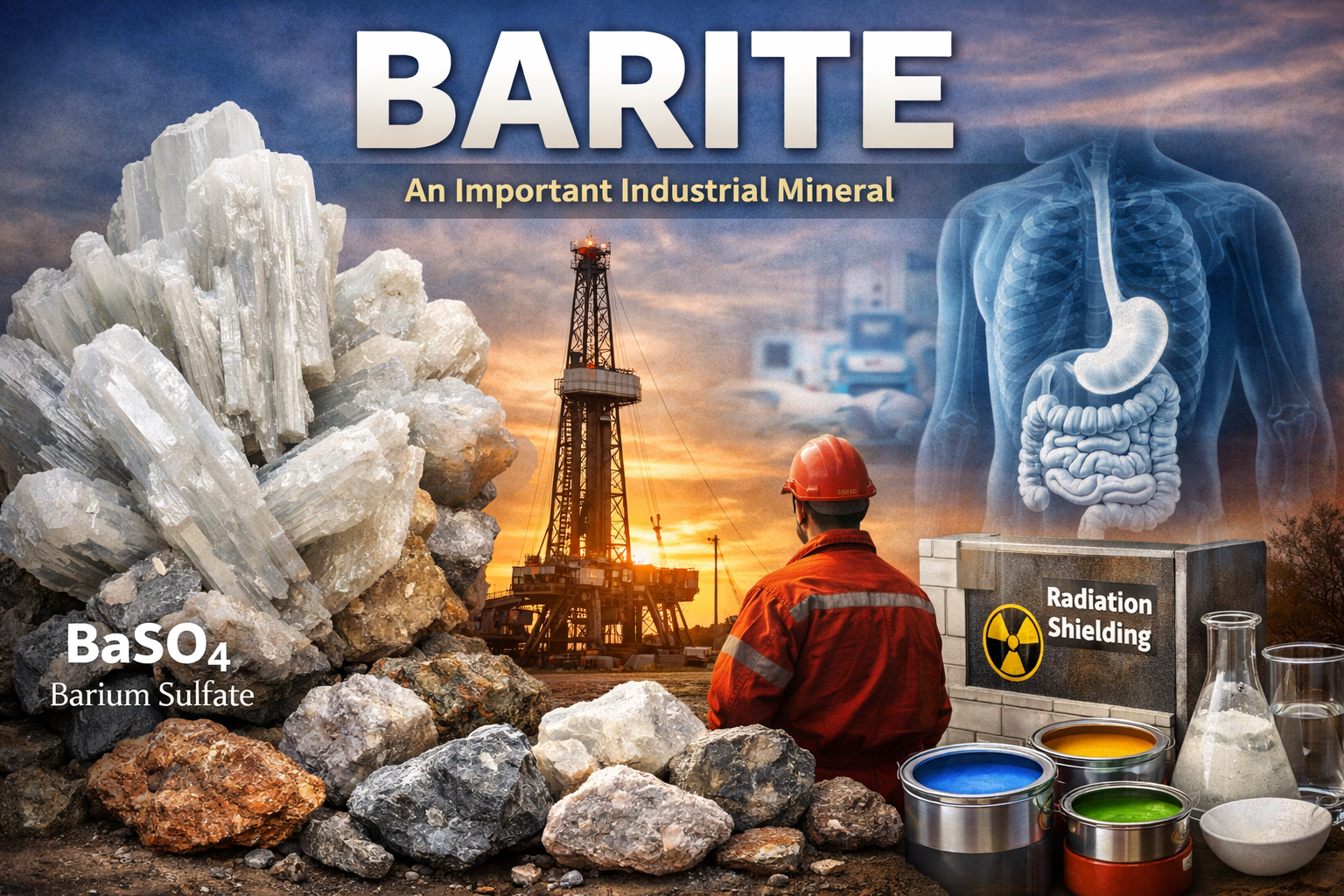
Barite (also spelled baryte) is a naturally occurring mineral composed mainly of barium sulfate (BaSO₄). It is widely used in many industries due to its high density, chemical inertness, and ability to absorb radiation. The name “barite” comes from the Greek word “barys,” meaning heavy, which reflects the mineral’s most distinctive property—its high specific gravity.

Composition and Properties

Barite consists primarily of barium sulfate, a compound made of barium, sulfur, and oxygen. It typically forms in sedimentary rocks, hydrothermal veins, and limestone deposits. The mineral appears in a variety of colors including white, gray, yellow, blue, and brown, depending on impurities.

Some important physical properties of barite include:

  • Chemical formula: BaSO₄
  • Specific gravity: about 4.5 (very heavy for a non-metallic mineral)
  • Hardness: 3–3.5 on the Mohs scale
  • Crystal system: Orthorhombic
  • Luster: Vitreous to pearly
  • Streak: White

Because of its high density and chemical stability, barite has many industrial applications.

Formation and Occurrence

Barite forms through hydrothermal processes where mineral-rich fluids move through cracks in rocks and deposit barium sulfate as they cool. It can also form in sedimentary environments, often associated with limestone, shale, and sandstone.

Major barite deposits are found in countries such as China, India, Morocco, the United States, and Mexico. In India, important deposits occur in Andhra Pradesh, Rajasthan, and Madhya Pradesh. The Mangampet deposit in Andhra Pradesh is one of the largest barite deposits in the world.

Uses of Barite

Barite has a wide range of industrial uses:

1. Oil and Gas Drilling
The most important use of barite is as a weighting agent in drilling mud used in oil and gas wells. Its high density helps control pressure in the well and prevents blowouts.

2. Medical Applications
Barite is used in medicine as barium sulfate contrast material for X-ray imaging of the digestive system. It helps doctors see internal organs clearly.

3. Paints and Plastics
Finely ground barite is used as a filler in paints, plastics, rubber, and paper, improving brightness and durability.

4. Radiation Shielding
Because of its ability to absorb radiation, barite is used in concrete for radiation shielding in hospitals and nuclear facilities.

5. Glass and Ceramics
Barite is also used in the manufacture of glass and ceramics to improve strength and chemical resistance.

Economic Importance

Barite is considered a strategic industrial mineral due to its role in the petroleum industry. Countries with large barite reserves benefit from exporting it to oil-producing regions. The demand for barite is closely linked to global oil and gas exploration activities.

Barite is a valuable mineral with diverse applications across industries such as oil drilling, medicine, construction, and manufacturing. Its unique properties—especially its high density and chemical stability—make it essential for many modern technologies. As energy exploration and industrial production continue to grow, barite will remain an important resource worldwide.

SNDB: Leading Barite Supplier in Nigeria | Best Barite Exporter for Oil & Gas IndustryCategoriesBlogs

Unveiling Barite: Properties, Applications, and Its Growing Significance with SNDB – A Leading Manufacturer

SNDB: Leading Barite Powder Exporter Worldwide | High-Quality Barite for Industrial Use

A naturally occurring mineral made of barium sulfate (BaSO4), barite is often referred to as baryte. It is essential to many industries, including as oil and gas, paints, plastics, and cosmetics, due to its high specific gravity, chemical stability, and broad range of industrial uses. Due to its reputation for providing unrivaled quality and consistency, SNDB has become one of the market’s top and most dependable barite producers and suppliers as the demand for high-purity barite keeps growing.

What is Barite?

Soft, dense, and chemically inert, Baryte has a specific gravity of about 4.5, which makes it perfect for applications requiring stability and weight. Usually found in sedimentary rock formations, it can be white, gray, blue, or brown in color.

Key Properties of Barite

  • High Specific Gravity: Ideal for weighting applications.
  • Chemically Inert: Does not react with most chemicals.
  • Softness: Easy to crush and grind for various industrial needs.
  • Radiation Absorption: Used in shielding materials due to its density.

Industrial Applications of Barite

1. Oil and Gas Drilling

In order to maintain pressure balance and avoid blowouts during drilling operations, It is a crucial component of drilling muds. Cuttings are carried to the surface and boreholes stay upright by its weight.

2. Paints and Coatings

It serves as a filler in the paint industry to enhance texture consistency, brightness, and durability.

3. Plastics and Rubber

In rubber and plastic products, It improves surface polish, increases resistance, and adds mass.

4. Cosmetics

Barite is a perfect addition to powders, foundations, and mineral-based cosmetics because of its smoothness, brightness, and inertness. It guarantees skin application safety and improves the smooth texture.

5. Medical and Radiation Shielding

Barite is utilized in medical applications and as a component of radiation-shielding materials because of its density.

SNDB: A Trusted Name in Barite Manufacturing

SNDB stands out as a premier manufacturer and exporter as industries continue to look for premium barite for specific purposes. With years of mineral processing expertise, SNDB produces barite that is consistently excellent in quality, has an ideal particle size distribution, and is highly pure.

Why Choose SNDB?

  • Premium Quality Assurance
  • Customized Grades and Packaging
  • Reliable Global Supply Chain
  • Competitive Pricing
  • Eco-Friendly Mining and Processing Practices

The Growing Significance of Barite

The need for adaptable minerals like Baryte is growing as global industries change. Its use in safe cosmetics, green building materials, and sustainable technology highlights its applicability in the current day.

Businesses may fully utilize Baryte across a range of industries with the help of SNDB, the ideal provider, guaranteeing long-term dependability, performance, and safety.

It is an essential component of contemporary industrial innovation and is much more than just a mineral. It still plays a crucial role in many different fields because of its wide variety of uses and fundamental qualities. Industries are guaranteed to receive the best barite customized to meet their demands when they choose a reputable producer like SNDB. Whether it’s for oil rigs or beauty palettes, SNDB’s devotion to excellence makes it the go-to name in the world of barite.