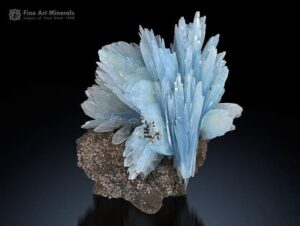
Barite (baryte) is one of the most critical minerals used in the oil and gas industry, especially in drilling operations. Its high specific gravity, chemical inertness, and cost-effectiveness make it an essential weighting agent in drilling mud. Choosing the right barite grade is crucial for ensuring drilling efficiency, well stability, and safety.
What is Barite and Why is it Used in Drilling Mud?
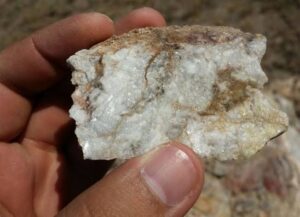
Barite is a naturally occurring mineral composed of barium sulfate (BaSO₄). In drilling fluids, it is primarily used to increase the density (weight) of the mud, which helps:
- Control formation pressure
- Prevent blowouts
- Stabilize the wellbore
- Improve drilling efficiency
Because of its high density and non-reactive nature, barite is ideal for maintaining the balance between pressure and formation conditions.
Key Properties of Drilling-Grade Barite
Before selecting a grade, it’s important to understand the essential properties:
1. Specific Gravity
This is the most important factor. It determines how effectively barite can increase mud weight.
2. Particle Size Distribution
Proper particle size ensures smooth mixing and prevents settling.
3. Purity
Higher BaSO₄ content means better performance and fewer contaminants.
4. Insoluble Residue
Low insoluble residue improves drilling fluid stability.
Best Barite Grades for Drilling Mud Applications
1. API Grade Barite (4.2 Specific Gravity)
This is the most widely used standard grade in drilling operations.
Specifications:
- Specific Gravity: ≥ 4.2
- BaSO₄ Content: ~90% or higher
- Particle Size: Controlled as per API standards
Advantages:
- Meets international drilling standards
- Suitable for most oil and gas wells
- Cost-effective and widely available
Best For:
Standard onshore and offshore drilling operations
2. High Specific Gravity Barite (4.3 – 4.5 SG)
This premium grade is used in more demanding drilling environments.
Specifications:
- Specific Gravity: 4.3 to 4.5
- Higher density than API grade
- Low impurities
Advantages:
- Requires less material to achieve desired mud weight
- Improves drilling efficiency
- Reduces solids content in mud
Best For:
Deep wells and high-pressure drilling conditions
3. Ultra-Fine Barite Powder
This grade features very fine particle sizes for enhanced performance.
Specifications:
- Fine mesh size (typically 325 mesh or finer)
- Uniform particle distribution
Advantages:
- Better suspension in drilling fluids
- Reduces settling issues
- Improves rheological properties
Best For:
Advanced drilling systems and specialized fluid formulations
4. Low Residue / High Purity Barite
This grade focuses on minimal contaminants and maximum BaSO₄ content.
Specifications:
- High purity (≥ 95% BaSO₄)
- Low silica and iron content
Advantages:
- Enhances drilling fluid stability
- Reduces equipment wear
- Minimizes chemical interference
Best For:
Sensitive drilling environments and high-performance fluids
API Standards for Drilling Barite
The American Petroleum Institute (API) sets strict specifications for barite used in drilling fluids. Key requirements include:
- Minimum specific gravity of 4.2
- Particle size distribution limits
- Maximum soluble alkaline earth metals
- Controlled moisture content
Using API-compliant barite ensures consistency, safety, and regulatory compliance in drilling operations.
How to Choose the Right Barite Grade
Selecting the best grade depends on several factors:
1. Well Depth and Pressure
- Deeper wells require higher-density barite
2. Drilling Environment
- Offshore and high-pressure wells benefit from premium grades
3. Budget Constraints
- API 4.2 grade is more economical
- Higher SG grades offer efficiency but cost more
4. Mud System Requirements
- Fine barite works better in advanced fluid systems
Common Challenges with Barite in Drilling
Even with the right grade, some issues can arise:
- Settling: Poor particle size distribution
- Abrasion: Impurities causing equipment wear
- Inconsistent density: Low-quality supply
Choosing a reliable supplier and proper grade helps minimize these problems.
Barite plays a vital role in drilling mud applications, and selecting the right grade directly impacts drilling success. While API 4.2 grade remains the industry standard, higher-density and ultra-fine barite grades offer improved performance for demanding conditions.