Barite Manufacturer and Exporter in IndiaCategoriesBarite

Barite Manufacturer and Exporter in India for Ghana’s Industrial Market | SNDB

Barite Manufacturer and Exporter in India

Barite is an important industrial mineral used in various applications, including oil and gas drilling, drilling fluid preparation, and other industrial processes. Due to its high specific gravity and useful physical properties, barite plays a significant role in industries that require reliable mineral-based materials. As industrial activities continue to develop across international markets, the demand for consistent barite supply remains important for businesses and industrial buyers.

SNDB serves the industrial minerals and chemicals market, supporting international sourcing requirements. For businesses in Ghana looking for barite sourced from India, understanding product quality, specifications, export documentation, and supply arrangements is essential when selecting a supplier.

Understanding Barite and Its Industrial Importance

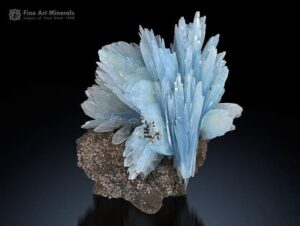
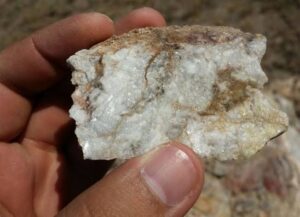
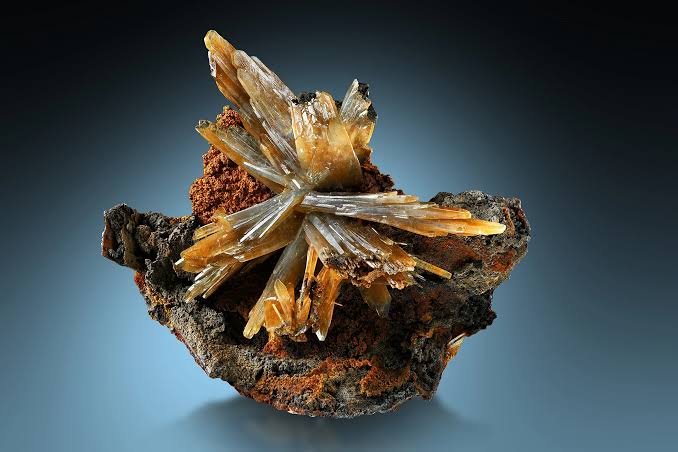
Barite, also known as barytes, is a naturally occurring mineral composed primarily of barium sulfate (BaSO₄). It is valued for its high density, chemical stability, and suitability for specific industrial applications.

One of the most recognized uses of barite is in the oil and gas sector, where it is used as a weighting agent in drilling fluids. The mineral helps increase drilling fluid density, supporting well control and drilling operations when formulated according to the required specifications.

Barite may also be used in selected chemical, manufacturing, and other industrial applications, depending on its grade, purity, particle size, and technical properties.

For industrial buyers in Ghana, selecting suitable barite requires an understanding of the intended application and the specifications established for the project.

Barite Manufacturer in India Serving Ghana’s Industrial Market

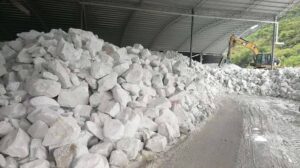
India is an established source of minerals and industrial materials for international markets. Businesses importing barite can evaluate Indian suppliers based on product specifications, quality documentation, export experience, packaging options, and delivery arrangements.

SNDB aims to support industrial sourcing requirements by providing information and assistance related to product selection and international supply enquiries.

When evaluating a barite manufacturer or exporter in India, Ghanaian buyers should consider the following factors:

  • Product specifications: Confirm the required barium sulfate content, specific gravity, particle size, and other technical parameters.
  • Quality consistency: Request relevant product specifications and available quality test reports.
  • Application suitability: Select a grade appropriate for drilling fluids or the intended industrial process.
  • Packaging requirements: Discuss suitable packaging for transportation, storage, and handling.
  • Export documentation: Confirm the availability of applicable commercial invoices, packing lists, certificates, and shipping documents.
  • Supply capacity: Check whether the supplier can meet the required quantity and agreed delivery schedule.

These considerations help importers assess suppliers and establish clear purchasing requirements.

Major Industrial Applications of Barite

1. Oil and Gas Drilling

The oil and gas industry is one of the major users of barite. Its high density makes it suitable for use as a weighting material in drilling fluids.

Drilling fluids perform several functions, including transporting drilled cuttings, helping control formation pressure, and supporting drilling operations. Barite is added when the fluid formulation requires additional density.

For buyers in Ghana’s oil and gas supply chain, the selected barite grade should meet the relevant drilling-fluid specifications and project requirements.

2. Industrial Mineral Processing

Barite is used in various mineral-processing and manufacturing applications where its physical and chemical characteristics are suitable. The appropriate grade depends on the intended production process and the quality requirements of the end product.

Industrial buyers should verify the required technical specifications before placing bulk orders.

3. Chemical and Manufacturing Applications

Barite can be used as a raw material or functional mineral in selected chemical and manufacturing processes. Its suitability depends on purity, processing characteristics, and compatibility with the intended application.

Buyers should discuss their requirements with the supplier to determine whether a particular grade is appropriate.

Why Ghanaian Buyers Source Barite from International Suppliers

Ghanaian industrial companies may work with international suppliers to obtain minerals that meet their operational requirements. Import sourcing allows businesses to compare product specifications, order quantities, packaging, and commercial terms across different suppliers.

When sourcing barite from India, importers should assess the following:

Product suitability: The mineral should match the technical requirements of the application.

Transparent commercial terms: Pricing, minimum order quantities, payment conditions, and delivery responsibilities should be clearly documented.

Export coordination: Shipping arrangements and required documentation should be agreed upon before dispatch.

Communication: Responsive communication helps clarify technical questions and manage procurement requirements.

Long-term supply planning: Buyers with recurring requirements may benefit from discussing forecast quantities and potential supply schedules.

These factors can help businesses develop a more structured procurement process for imported industrial minerals.

How to Choose the Right Barite Supplier in Ghana

Selecting a suitable supplier or import partner requires more than comparing prices. Industrial buyers should evaluate the complete supply arrangement to ensure that the material meets their operational needs.

Here are five important steps:

  1. Define the application. Determine whether the barite is intended for oilfield drilling or another industrial use.
  2. Confirm technical requirements. Specify the required grade, density, purity, and particle-size range.
  3. Review quality documents. Request available test reports and technical data sheets before confirming the order.
  4. Compare the complete cost. Consider product pricing, freight, insurance where applicable, import duties, and local handling costs.
  5. Confirm delivery terms. Agree on shipment timelines, packaging, documentation, and responsibilities for transportation.

Following these steps helps importers make informed purchasing decisions and reduce the risk of specification or delivery misunderstandings.

SNDB: Barite Export Enquiries from India to Ghana

SNDB works within the industrial minerals and chemicals supply sector. Businesses in Ghana seeking barite from India can enquire about product availability, technical specifications, packaging, order quantities, and export arrangements.

Before finalizing a purchase, buyers should share their intended application and required specifications so that the suitability of the offered material can be evaluated.

For bulk procurement, it is also useful to discuss shipment requirements, destination details, documentation, and expected delivery schedules in advance.

By focusing on clear specifications and coordinated export arrangements, industrial buyers can make more informed decisions when sourcing barite for their operations.

Barite is a valuable industrial mineral, particularly for oil and gas drilling applications that require a suitable high-density weighting material. For Ghanaian companies exploring international sourcing options, Indian suppliers can be considered based on product quality, technical specifications, export capabilities, and commercial terms.

SNDB provides a point of contact for businesses interested in barite and other industrial mineral and chemical supply enquiries. Buyers should confirm current product availability, applicable specifications, and shipping arrangements directly before placing an order.

Choosing barite that matches the intended application is an important step toward supporting consistent industrial operations and effective procurement.

best bariteCategoriesBlogs

Best Barite Grades for Drilling Mud Applications

Barite (baryte) is one of the most critical minerals used in the oil and gas industry, especially in drilling operations. Its high specific gravity, chemical inertness, and cost-effectiveness make it an essential weighting agent in drilling mud. Choosing the right barite grade is crucial for ensuring drilling efficiency, well stability, and safety.

What is Barite and Why is it Used in Drilling Mud?

Barite is a naturally occurring mineral composed of barium sulfate (BaSO₄). In drilling fluids, it is primarily used to increase the density (weight) of the mud, which helps:

  • Control formation pressure
  • Prevent blowouts
  • Stabilize the wellbore
  • Improve drilling efficiency

Because of its high density and non-reactive nature, barite is ideal for maintaining the balance between pressure and formation conditions.

Key Properties of Drilling-Grade Barite

Before selecting a grade, it’s important to understand the essential properties:

1. Specific Gravity

This is the most important factor. It determines how effectively barite can increase mud weight.

2. Particle Size Distribution

Proper particle size ensures smooth mixing and prevents settling.

3. Purity

Higher BaSO₄ content means better performance and fewer contaminants.

4. Insoluble Residue

Low insoluble residue improves drilling fluid stability.

Best Barite Grades for Drilling Mud Applications

1. API Grade Barite (4.2 Specific Gravity)

This is the most widely used standard grade in drilling operations.

Specifications:

  • Specific Gravity: ≥ 4.2
  • BaSO₄ Content: ~90% or higher
  • Particle Size: Controlled as per API standards

Advantages:

  • Meets international drilling standards
  • Suitable for most oil and gas wells
  • Cost-effective and widely available

Best For:
Standard onshore and offshore drilling operations

2. High Specific Gravity Barite (4.3 – 4.5 SG)

This premium grade is used in more demanding drilling environments.

Specifications:

  • Specific Gravity: 4.3 to 4.5
  • Higher density than API grade
  • Low impurities

Advantages:

  • Requires less material to achieve desired mud weight
  • Improves drilling efficiency
  • Reduces solids content in mud

Best For:
Deep wells and high-pressure drilling conditions

3. Ultra-Fine Barite Powder

This grade features very fine particle sizes for enhanced performance.

Specifications:

  • Fine mesh size (typically 325 mesh or finer)
  • Uniform particle distribution

Advantages:

  • Better suspension in drilling fluids
  • Reduces settling issues
  • Improves rheological properties

Best For:
Advanced drilling systems and specialized fluid formulations

4. Low Residue / High Purity Barite

This grade focuses on minimal contaminants and maximum BaSO₄ content.

Specifications:

  • High purity (≥ 95% BaSO₄)
  • Low silica and iron content

Advantages:

  • Enhances drilling fluid stability
  • Reduces equipment wear
  • Minimizes chemical interference

Best For:
Sensitive drilling environments and high-performance fluids

API Standards for Drilling Barite

The American Petroleum Institute (API) sets strict specifications for barite used in drilling fluids. Key requirements include:

  • Minimum specific gravity of 4.2
  • Particle size distribution limits
  • Maximum soluble alkaline earth metals
  • Controlled moisture content

Using API-compliant barite ensures consistency, safety, and regulatory compliance in drilling operations.

How to Choose the Right Barite Grade

Selecting the best grade depends on several factors:

1. Well Depth and Pressure

  • Deeper wells require higher-density barite

2. Drilling Environment

  • Offshore and high-pressure wells benefit from premium grades

3. Budget Constraints

  • API 4.2 grade is more economical
  • Higher SG grades offer efficiency but cost more

4. Mud System Requirements

  • Fine barite works better in advanced fluid systems

Common Challenges with Barite in Drilling

Even with the right grade, some issues can arise:

  • Settling: Poor particle size distribution
  • Abrasion: Impurities causing equipment wear
  • Inconsistent density: Low-quality supply

Choosing a reliable supplier and proper grade helps minimize these problems.

Barite plays a vital role in drilling mud applications, and selecting the right grade directly impacts drilling success. While API 4.2 grade remains the industry standard, higher-density and ultra-fine barite grades offer improved performance for demanding conditions.

SNDB | Barite in Oil and Gas: Specifications, Standards, and ApplicationsCategoriesBlogs

SNDB | Barite in Oil and Gas: Specifications, Standards, and Applications

SNDB is a trusted barite manufacturer and supplier, delivering API-compliant, high-quality barite for oil and gas drilling operations worldwide.

In the oil and gas sector, barite (also known as barium sulfate, or BaSO4) is essential, mainly as a weighing agent in drilling fluids. Barite is essential for preserving well control during drilling operations because of its high specific gravity, chemical inertness, and relative affordability. With an emphasis on operational effectiveness and safety, this article examines the essential characteristics, industry norms, and uses of barite in the oil and gas sector.

What Is Barite?

Barium sulfate makes up the naturally occurring mineral barite. Because of its high density, which usually ranges from 4.1 to 4.5 g/cm³, it is perfect for raising the hydrostatic pressure of drilling muds without negatively changing their chemical characteristics.

Key properties include:

  • High specific gravity
  • Low solubility in water
  • Chemical and thermal stability
  • Non-toxic compared to alternative weighting agents

Role of Barite in Oil and Gas Drilling

In drilling operations, controlling formation pressure is essential to prevent:

  • Blowouts
  • Formation fluid influx
  • Wellbore instability

Barite is added to drilling fluids to increase mud weight, allowing operators to balance formation pressures safely while drilling deeper wells.

Barite Specifications for Oil and Gas

Drilling-grade barite must meet strict quality requirements to ensure performance and minimize operational risks.

Key Specifications

  • Specific Gravity: Minimum 4.2 (API standard)
  • Particle Size:
    • ≥97% passing 200 mesh (75 μm)
    • ≤30% finer than 6 μm
  • Water-Soluble Alkaline Earth Metals:
    • Calcium ≤250 mg/kg
  • Moisture Content: Typically ≤1%

Poor-quality barite can lead to increased wear on equipment, poor mud rheology, and formation damage.

Industry Standards and Certifications

API Standards

The American Petroleum Institute (API) sets the most widely accepted standards:

  • API Specification 13A – Covers physical and chemical requirements for drilling-grade barite.

ISO Standards

  • ISO 13500 – International equivalent to API 13A, used in global operations.

Compliance with these standards ensures consistency, safety, and compatibility with drilling fluid systems worldwide.

Applications of Barite in Oil and Gas

1. Drilling Fluids

The primary use of barite is as a weighting agent in:

  • Water-based muds (WBM)
  • Oil-based muds (OBM)
  • Synthetic-based muds (SBM)

2. Well Control

Barite helps maintain sufficient hydrostatic pressure to counter formation pressures and prevent kicks and blowouts.

3. Cementing Operations

In specialized applications, barite is added to cement slurries to increase density for high-pressure zones.

4. Completion and Workover Fluids

Barite-weighted fluids are used during well completion and maintenance to stabilize the wellbore.

Challenges and Quality Considerations

Despite its advantages, barite use presents challenges:

  • Sagging: Settling of barite particles in static conditions
  • Supply Chain Issues: Dependence on imported barite in many regions
  • Impurities: Can affect mud performance and downhole tools

To address these issues, operators increasingly focus on beneficiation, particle size control, and alternative weighting materials when necessary.

Environmental and Regulatory Considerations

Barite is considered environmentally benign due to its insolubility. However, mining and processing activities must comply with environmental regulations related to:

  • Land disturbance
  • Waste management
  • Water usage

Sustainable mining practices and recycling of barite from drilling waste are gaining attention across the industry.

In oil and gas drilling operations, barite is still a key component. It is a dependable and affordable well pressure control solution because of its special physical characteristics and compliance with recognized international standards like API 13A and ISO 13500. As drilling environments become more complex, maintaining high-quality barite specifications and secure supply chains will be essential for safe and efficient operations.

SNDB is a reputable producer and supplier of premium barite for the oil and gas sector. SNDB produces drilling-grade barite that satisfies stringent requirements for specific gravity, particle size, and purity with a particular emphasis on API-compliant production. Every cargo supports safe and effective drilling operations thanks to sophisticated processing facilities, reliable quality control, and skilled technical teams.

SNDB’s reasonable price, customer-focused service, and reliable supply chain make it a standout supplier. The company provides timely supplies and tailored grades to oilfield service companies, drilling contractors, and industrial users in both local and foreign markets. SNDB has established itself as a reliable partner in the international barite industry by fusing operational dependability with quality assurance.

Barite Powder: Composition, Properties & SNDB’s Global Supply ExcellenceCategoriesBlogs

Barite Powder: Composition, Properties & SNDB’s Global Supply Excellence

A naturally occurring mineral made of barium sulfate (BaSO4), barite is often referred to as baryte. BaSO4 is now a necessary industrial mineral in many different industries due to its high specific gravity, chemical stability, and non-toxic nature. This article examines the physical characteristics, composition, and uses of barite powder as well as how SNDB became a major worldwide producer, supplier, and exporter of premium barite goods.

What is Barite Powder?

Barium sulfate, which comes from the barite mineral, is finely took care of to create barite powder. It is extensively utilized in sectors like:

  • Oil and gas drilling (as a weighting agent in drilling mud)
  • Paints and coatings
  • Plastics and rubber
  • Glass and ceramics
  • Pharmaceuticals and medical imaging

Chemical Composition of Barite (BaSO₄)

  • Barium (Ba): ~58–65%
  • Sulfur (S): ~13–15%
  • Oxygen (O): ~21–27%

Barite may also contain trace amounts of:

  • Iron (Fe)
  • Calcium (Ca)
  • Strontium (Sr)
  • Silica (SiO₂)

Physical Properties of Barite

PropertyValue/Description
ColorWhite, colorless, grey, blue, yellow
LusterVitreous to pearly
Hardness (Mohs)3–3.5
Specific Gravity4.3–4.6 (very high)
Crystal SystemOrthorhombic
SolubilityInsoluble in water, soluble in hot acids

It is ideal for uses where weight is a crucial consideration due to its high specific gravity, particularly in oil and gas drilling activities.

Applications of Barite Powder

  1. Oil & Gas Industry: used in drilling fluids as a weighing agent to stop blowouts.
  2. Paints & Coatings: improves weather resistance, gloss, and brightness.
  3. Plastics & Rubber: serves as a filler to increase durability and strength.
  4. Medical Field: use as a contrast agent in CT and X-ray imaging..
  5. Construction Materials: added to concrete and cement to provide radiation protection

SNDB – Global Leader in Barite Powder Manufacturing and Supply

As one of the most reliable producers, distributors, and exporters of barite powder globally, SNDB has established a strong reputation. SNDB provides high-quality barite powder that satisfies international and industrial requirements thanks to its decades of experience in the chemical and mineral sector.

Why Choose SNDB?

  • High Purity Barite (BaSO₄ ≥ 95%)
  • Consistent Particle Size & Quality
  • Customized Packaging Solutions
  •  Bulk Supply Capacity
  • Fast Global Shipping & Export Support
  • Stringent Quality Control & Certifications

Because of its special qualities, barite is essential to many different sectors. For all of your barite powder requirements, SNDB is a reputable and trustworthy partner when quality and consistency are important. SNDB is promoting barite excellence globally with the support of experience, innovation, and global logistics.