Barite: The Heavy Mineral Powering Modern IndustryCategoriesBarite Blogs

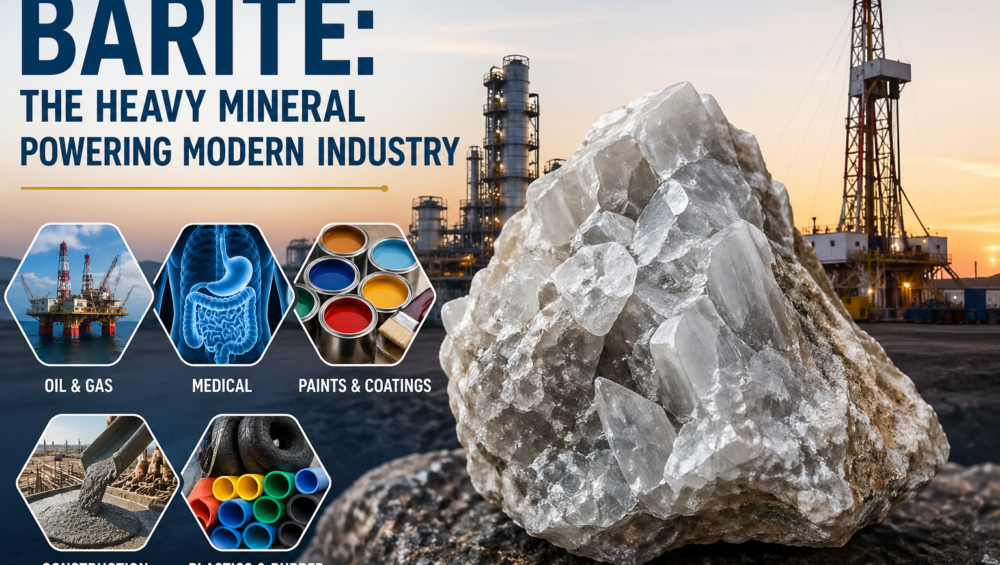
Barite: The Heavy Mineral Powering Modern Industry

Barite: The Heavy Mineral Powering Modern Industry

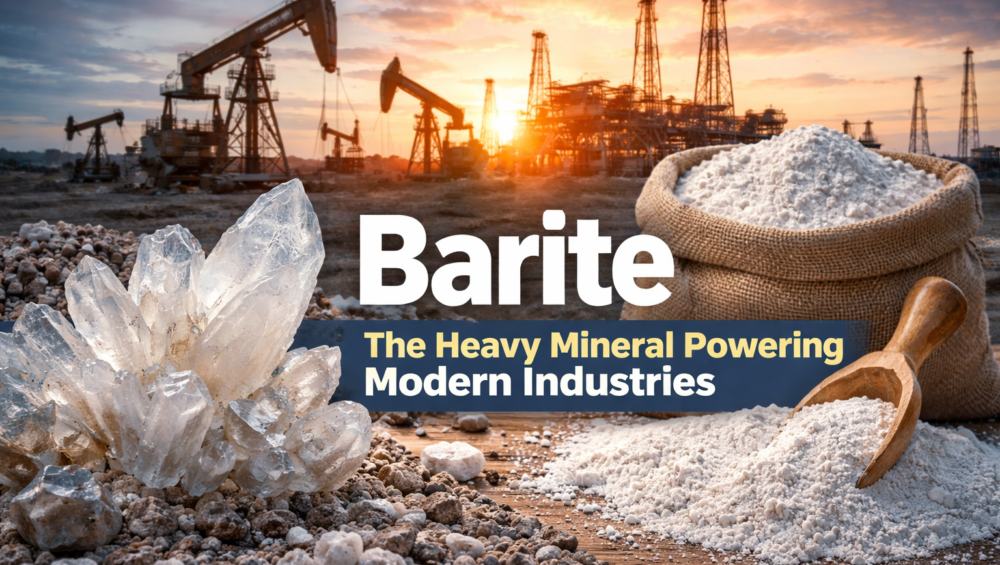
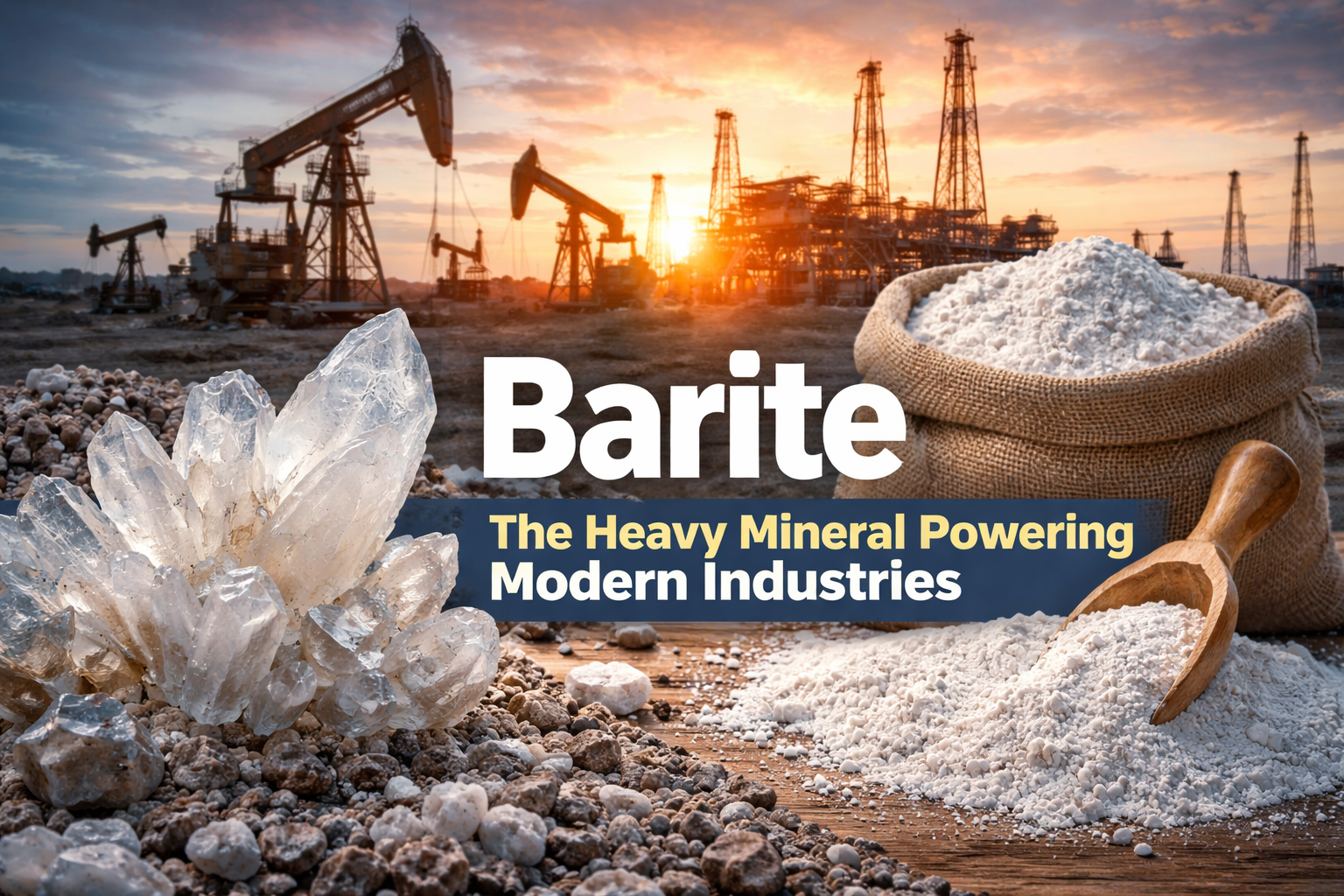
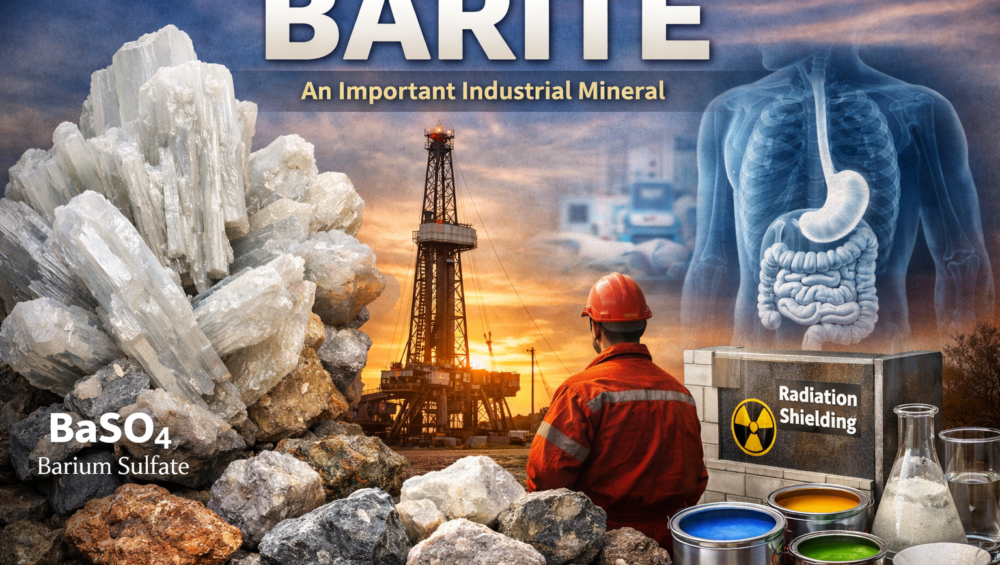
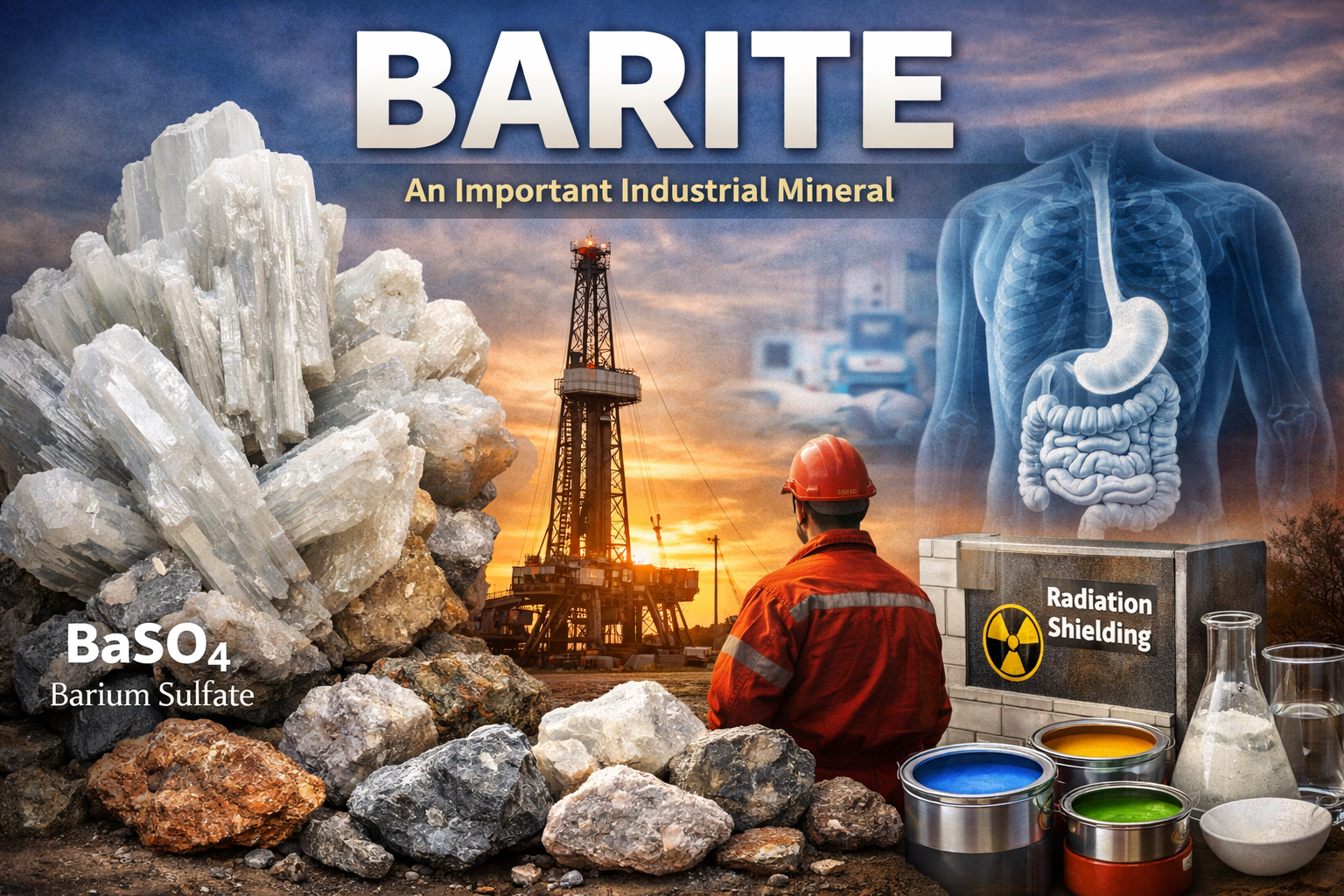
Barite, also known as baryte, is a naturally occurring mineral composed of barium sulfate (BaSO₄). Recognized for its remarkable density and chemical stability, barite plays a crucial yet often overlooked role in modern industry. From oil drilling operations deep beneath the Earth’s surface to applications in medicine and manufacturing, this “heavy mineral” supports a wide range of essential activities that drive global development.

What is Barite?

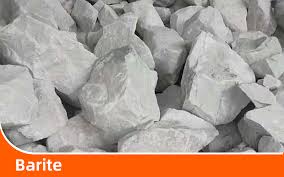
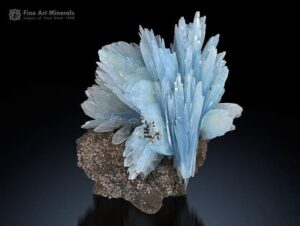
Barite is a non-metallic mineral that typically appears in white, grey, blue, or brown crystalline forms. Its defining characteristic is its high specific gravity, which makes it significantly heavier than most other non-metallic minerals. This property, combined with its non-toxicity and resistance to chemical reactions, makes barite uniquely valuable in industrial applications.

Barite forms in a variety of geological environments, commonly occurring in sedimentary rocks, hydrothermal veins, and limestone deposits. Major producing countries include China, India, the United States, and Morocco.

Key Properties of Barite

Barite’s usefulness stems from several important physical and chemical properties:

  • High Density: One of the heaviest non-metallic minerals
  • Chemical Inertness: Does not easily react with other substances
  • Low Solubility: Stable in water and many chemicals
  • Non-Toxic Nature: Safe for certain medical and industrial uses
  • Radiation Shielding Ability: Effective at blocking X-rays and gamma rays

These properties make barite indispensable across multiple sectors.

Industrial Applications

1. Oil and Gas Industry

The largest consumer of barite is the oil and gas sector. Barite is used as a weighting agent in drilling fluids (also known as drilling mud). Its high density helps control pressure in oil wells, preventing blowouts and ensuring safe drilling operations. Without barite, deep drilling would be far more dangerous and less efficient.

2. Medical Field

Barite has an important role in healthcare. In the form of a purified compound called barium sulfate, it is used as a contrast agent in X-ray imaging of the digestive system. Patients ingest a barite-based solution, which helps doctors clearly visualize internal organs such as the stomach and intestines.

3. Paints and Coatings

Barite is widely used as a filler in paints, coatings, and pigments. It improves durability, enhances brightness, and provides resistance to corrosion and chemical damage. Its fine particle size also contributes to a smooth finish.

4. Plastics and Rubber

In the plastics and rubber industries, barite is used to increase weight, improve sound insulation, and enhance strength. It also helps reduce production costs by acting as a functional filler.

5. Construction Materials

Barite is used in the production of high-density concrete, especially for radiation shielding in hospitals, nuclear power plants, and laboratories. Its weight and stability make it ideal for protective structures.

Global Importance

Barite is a critical mineral for industrial development, particularly because of its connection to the energy sector. As global demand for oil and gas continues, so does the demand for barite. Countries with significant barite reserves benefit economically through mining, export, and industrial use.

India, for example, is one of the leading producers and exporters of barite, supplying material to global markets. The mineral contributes to employment, infrastructure development, and foreign exchange earnings.

Environmental Considerations

Like all mining activities, barite extraction can have environmental impacts, including land degradation, habitat disruption, and waste generation. However, modern mining practices are increasingly focused on sustainability. Efforts such as land reclamation, waste management, and controlled extraction help reduce environmental damage.Barite, also known as baryte, is a naturally occurring mineral composed of barium sulfate (BaSO₄). Recognized for its remarkable density and chemical stability, barite plays a crucial yet often overlooked role in modern industry. From oil drilling operations deep beneath the Earth’s surface to applications in medicine and manufacturing, this “heavy mineral” supports a wide range of essential activities that drive global development.

Barite may not be widely known outside industrial and scientific circles, but its importance cannot be overstated. As a dense, stable, and versatile mineral, it supports critical sectors ranging from energy and healthcare to construction and manufacturing. Truly, barite is a silent yet powerful contributor to modern industry—proving that even the most unassuming natural resources can have a profound impact on our daily lives.
What is Barite Powder? Composition, Grades, and Applications | SNDB – Best Barite Powder Manufacturer, Supplier & ExporterCategoriesBarite Blogs

Barite vs Baryte: Difference, Properties and Industrial Uses | SNDB Best Manufacturer

What is Barite Powder? Composition, Grades, and Applications | SNDB – Best Barite Powder Manufacturer, Supplier & Exporter

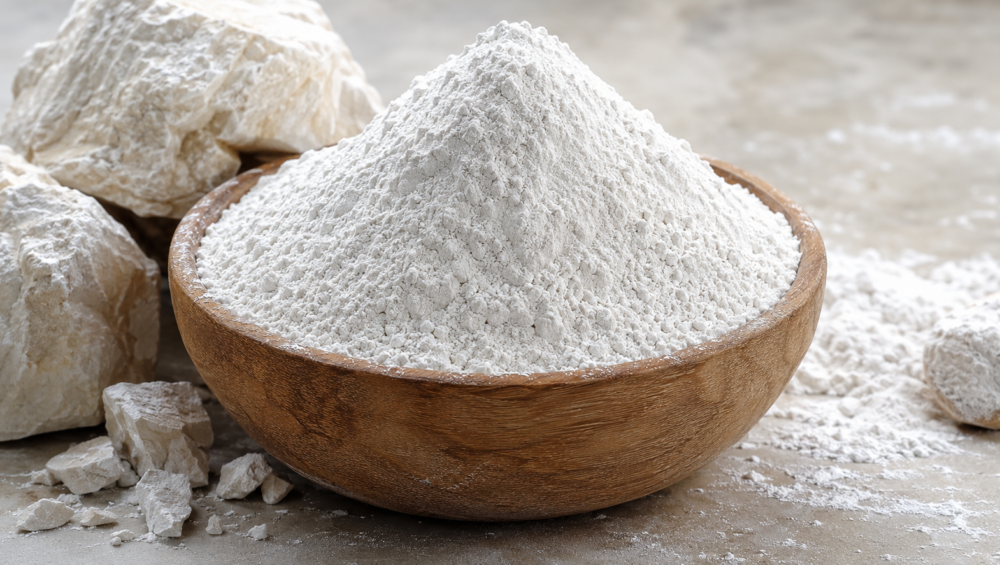
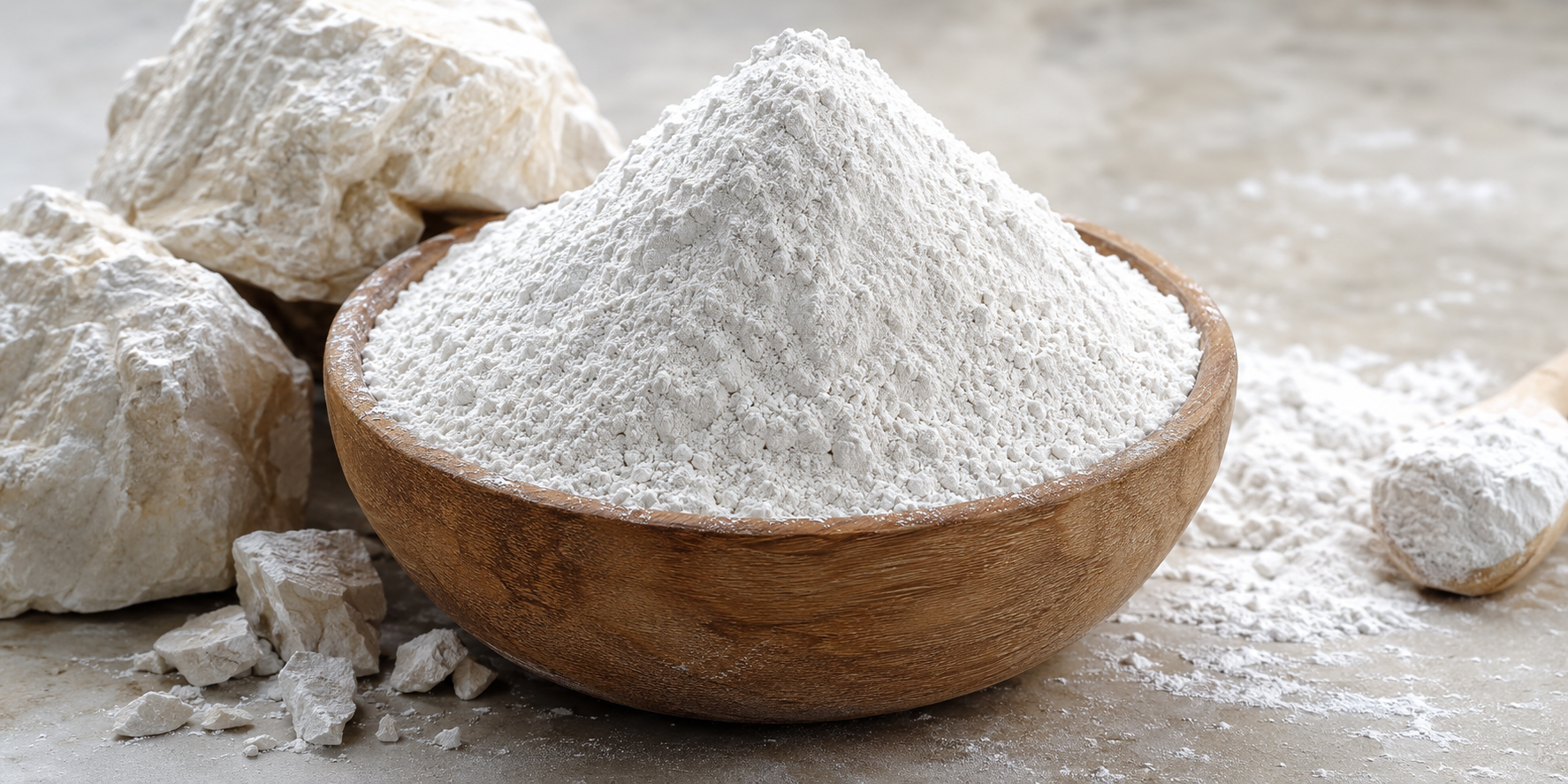
Barite and baryte are two names used for the same naturally occurring mineral, composed primarily of barium sulfate (BaSO₄). The mineral is valued for its high specific gravity, chemical stability, and versatility across industries. SNDB is a leading manufacturer and exporter of barite powder and lumps from India, supplying products for applications including oil and gas drilling, paints, plastics, rubber, construction, and other industrial sectors.

What Is Barite or Baryte?

Barite, also commonly spelled baryte, is a mineral containing barium sulfate. The name is associated with its high density, with a specific gravity of around 4.5. It can naturally occur in different colors, including white, grey, yellow, brown, and blue, depending on impurities and geological conditions.

Its high density and chemical inertness make it particularly useful where weight, stability, and filler performance are important.

Barite vs Baryte: Is There Any Difference?

The simple answer is no major chemical difference exists between barite and baryte. Both names refer to the same mineral, BaSO₄.

The difference is primarily in spelling and terminology. “Barite” is widely used in American English and industrial markets, while “baryte” is also used in geological and international contexts.

FeatureBariteBaryte
Chemical compositionBaSO₄BaSO₄
MineralSameSame
Main characteristicHigh densityHigh density
Common industrial useDrilling, fillers, coatingsDrilling, fillers, coatings
Main differenceSpelling/usageSpelling/usage

Therefore, buyers searching for barite powder, baryte powder, barite lumps, or baryte lumps are generally referring to the same mineral product, although specific grades and specifications can differ according to application.

Key Properties of Barite

Barite is an important industrial mineral because of several useful properties:

1. High Specific Gravity

Its high density makes barite particularly valuable as a weighting material. This is one of the main reasons it is extensively used in oil and gas drilling fluids.

2. Chemical Stability

Barite is chemically stable and relatively inert, making it suitable for industrial formulations where resistance and consistency are required.

3. High Whiteness

High-quality processed barite can offer good whiteness, which makes it useful in paints, coatings and other filler applications.

4. Low Water Solubility

Its low solubility contributes to its usefulness in several industrial applications where stability is important.

5. Versatile Particle Sizes

Processed barite can be supplied in different particle sizes and grades according to application requirements. SNDB states that its barite powder can be supplied in customized mesh sizes for industrial applications.

Industrial Uses of Barite

Barite in Oil and Gas Drilling

One of the most important applications of barite is in drilling fluids. Its high density allows it to act as a weighting agent, helping drilling operations manage formation pressure.

SNDB supplies barite products for oil and gas applications, including API-oriented grades.

Barite in Paints and Coatings

Barite powder can be used as a functional filler and extender in paints and coatings. It can contribute to properties such as density, durability, and chemical resistance.

Barite in Plastics and Rubber

Barite is also used as a filler in plastic and rubber formulations. Its density and chemical stability make it useful in selected industrial products.

Barite in Construction

Because of its high density, barite can be incorporated into specialized construction materials, including applications where increased material density is desirable.

Barite in Medical and Radiation-Shielding Applications

Barite’s high density makes barium-sulfate-based materials useful in certain radiation-shielding applications. SNDB also highlights applications involving medical imaging and radiation-shielding environments.

Why Choose SNDB as a Barite Manufacturer?

SNDB positions itself as a major Indian manufacturer and exporter of barite powder and lumps. The company highlights quality control, global supply capabilities, competitive pricing and experience in serving industrial customers.

SNDB offers barite products designed for applications across:

  • Oil and gas drilling
  • Paints and coatings
  • Plastics
  • Rubber
  • Construction
  • Medical and specialized applications

For industrial buyers, selecting the right barite supplier is important because product quality, particle size, purity, specific gravity, packaging and consistency can directly affect the performance of the final application.

Barite and baryte are essentially two names for the same mineral, barium sulfate (BaSO₄). Their high density, chemical stability and versatile properties make them valuable across oil and gas, paints, plastics, rubber, construction and other industries.

For businesses looking for consistent-quality barite powder and barite lumps from India, SNDB provides industrial barite products for domestic and international markets.

SNDB – Reliable Barite Manufacturer, Supplier and Exporter from India.

SNDB | Premium API Grade Barite Exporter for Oilfield ApplicationsCategoriesBarite

SNDB | Premium API Grade Barite Exporter for Oilfield Applications

SNDB | Premium API Grade Barite Exporter for Oilfield Applications

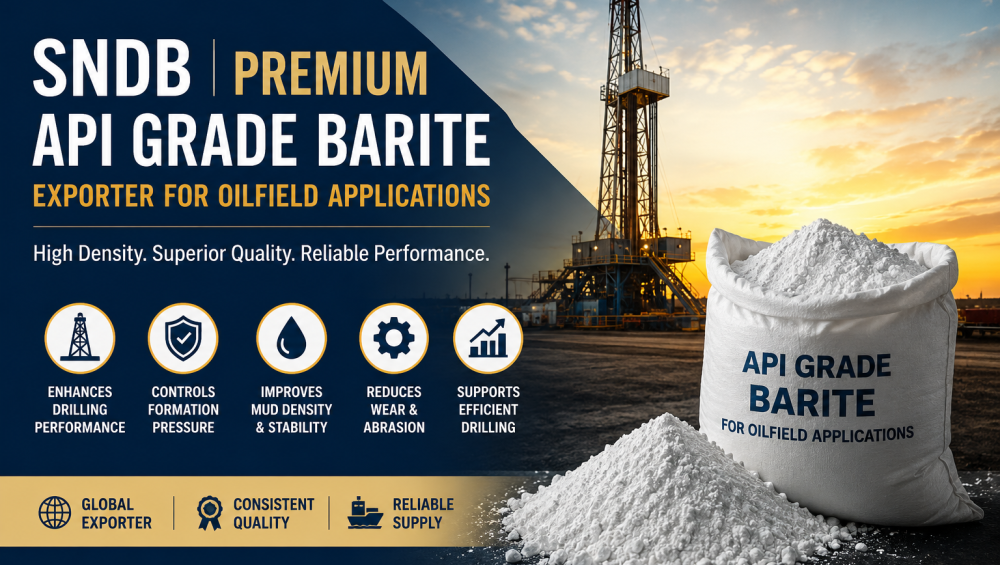
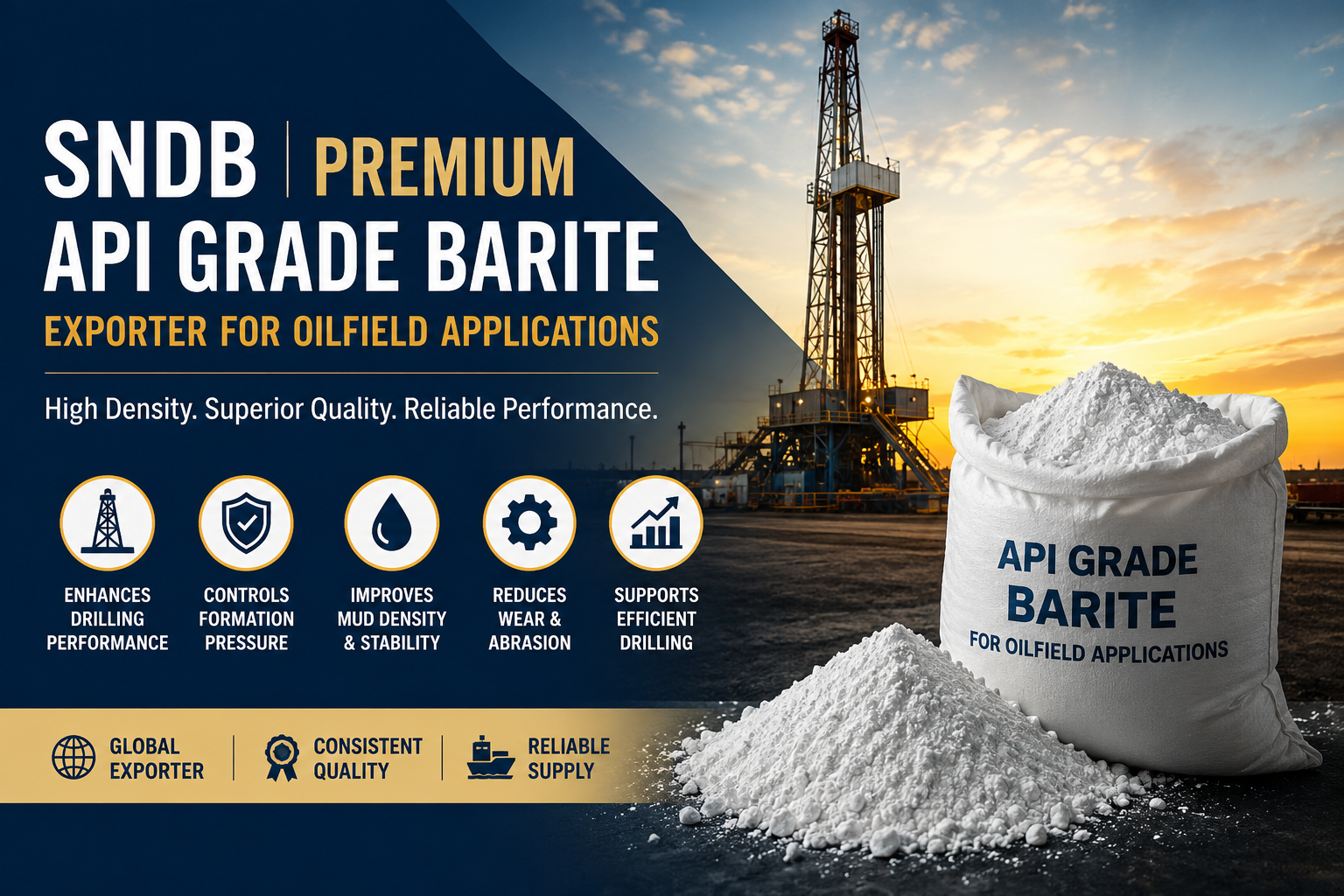
The oil and gas industry depends on reliable drilling materials to ensure safe, efficient, and cost-effective exploration. Among these materials, API Grade Barite plays a vital role in maintaining drilling fluid density, stabilizing wellbores, and controlling formation pressure. As a trusted API Grade Barite manufacturer and exporter, SNDB supplies premium-quality barite that meets the demanding requirements of oilfield operations worldwide.

Whether used in onshore or offshore drilling, high-quality API-grade barite enhances drilling performance while reducing operational risks. With a strong commitment to quality, consistency, and timely delivery, SNDB has become a preferred partner for global oilfield companies.

What Is API Grade Barite?

API Grade Barite is a naturally occurring mineral composed primarily of barium sulfate (BaSO₄). It is processed according to industry standards for drilling fluids and is widely used as a weighting agent in drilling mud.

The American Petroleum Institute (API) sets specifications for drilling-grade barite, including minimum specific gravity, particle size distribution, and other quality parameters. These standards help ensure consistent drilling performance in challenging environments.

Why API Grade Barite Is Essential in Oilfield Operations

Drilling operations require precise control over well pressure. API Grade Barite increases the density of drilling fluids, allowing operators to manage high-pressure formations safely.

Key benefits include:

  • Controls formation pressure during drilling
  • Prevents blowouts and wellbore collapse
  • Improves drilling fluid stability
  • Reduces equipment wear due to its low abrasiveness
  • Suitable for both water-based and oil-based drilling fluids
  • Supports efficient deep-well drilling operations

Because of its chemical inertness and high density, barite remains the industry’s preferred weighting material.

SNDB’s Premium API Grade Barite

SNDB manufactures and exports high-quality API Grade Barite using advanced processing methods and strict quality control procedures. Every batch is tested to ensure consistent quality and dependable performance for oilfield applications.

Product Features

  • High purity barium sulfate
  • API-compliant quality
  • High specific gravity
  • Uniform particle size distribution
  • Excellent chemical stability
  • Low moisture content
  • Reliable bulk supply
  • Export-quality packaging

Our production process ensures that customers receive a product capable of performing consistently under demanding drilling conditions.

Applications of SNDB API Grade Barite

SNDB’s API Grade Barite is widely used in:

Oil & Gas Drilling

The primary application is as a weighting agent in drilling mud, helping maintain hydrostatic pressure and improving drilling efficiency.

Offshore Exploration

High-performance drilling fluids containing API Grade Barite support offshore wells operating under extreme pressure conditions.

Onshore Drilling Projects

Suitable for conventional and unconventional drilling projects requiring stable drilling fluid performance.

High-Pressure Wells

API Grade Barite is especially valuable for deep drilling where pressure management is critical.

Why Choose SNDB?

Consistent Quality

Every shipment undergoes rigorous quality inspection to meet international customer expectations.

Export Expertise

SNDB supplies API Grade Barite to customers across multiple countries with reliable logistics and secure packaging.

Bulk Supply Capability

We can fulfill both small and large-volume orders for drilling contractors, distributors, and industrial buyers.

Competitive Pricing

Our efficient manufacturing process enables us to offer premium-quality products at competitive prices.

Technical Support

Our experienced team helps customers select the right product specifications for their applications.

Quality Standards

Quality is the foundation of SNDB’s manufacturing process. We maintain strict inspection procedures throughout production to deliver reliable drilling-grade barite.

Each shipment is checked for:

  • Specific gravity
  • Particle size
  • Moisture level
  • Chemical composition
  • Product consistency

These quality checks help ensure dependable performance in demanding oilfield operations.

Global Export Markets

SNDB exports premium API Grade Barite to customers serving industries such as:

  • Oil & Gas Exploration
  • Energy Companies
  • Drilling Fluid Manufacturers
  • Oilfield Service Providers
  • Industrial Chemical Distributors

Our strong export network ensures timely deliveries while maintaining international quality standards.

Sustainable Manufacturing

SNDB follows responsible manufacturing practices focused on efficient resource utilization, product consistency, and environmentally conscious operations. Continuous process improvements help us deliver reliable products while supporting sustainable industrial growth.

Choosing the right API Grade Barite supplier directly impacts drilling efficiency, operational safety, and project success. SNDB combines high-quality manufacturing, stringent quality control, competitive pricing, and dependable global exports to deliver premium API Grade Barite for demanding oilfield applications.

Whether your project involves onshore exploration, offshore drilling, or high-pressure wells, SNDB provides the consistent quality and reliable supply you need to keep operations running smoothly

Barite as a Strategic Mineral in Modern IndustryCategoriesBarite

Barite as a Strategic Mineral in Modern Industry

Barite as a Strategic Mineral in Modern Industry

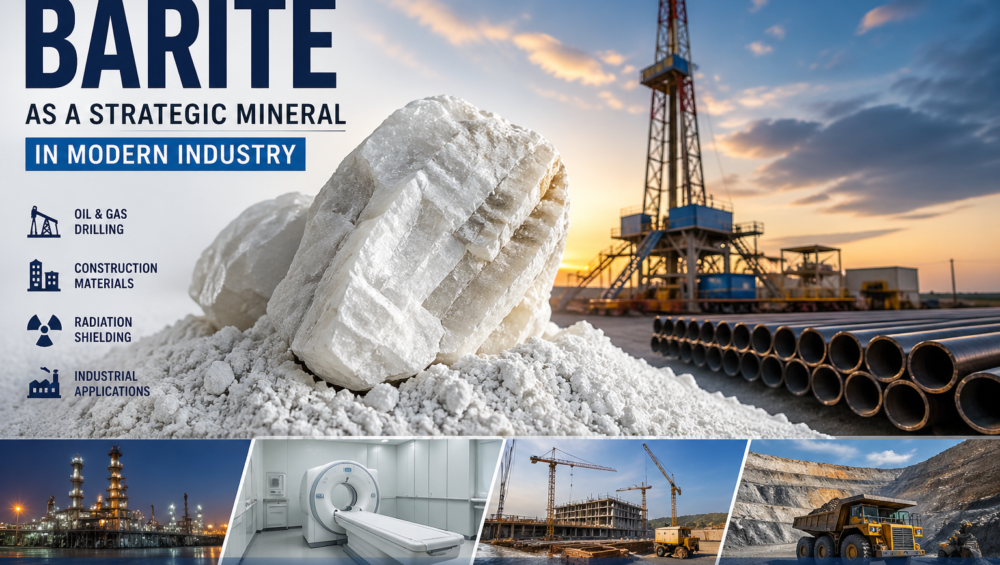
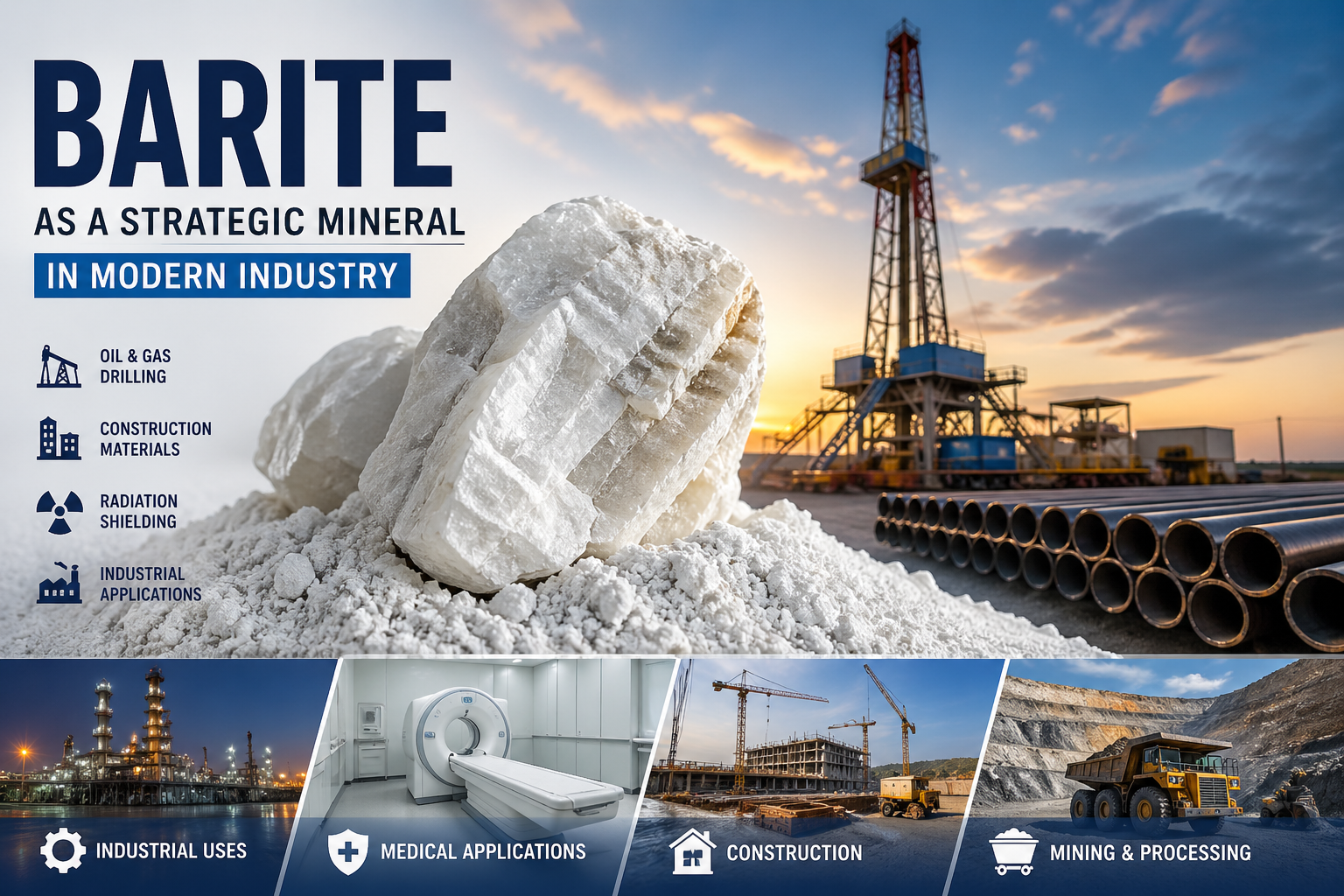
Barite, chemically known as barium sulfate (BaSO₄), has emerged as a strategically important mineral in modern industry due to its unique physical and chemical properties. Its high density, chemical inertness, and non-toxic nature make it indispensable across multiple sectors, especially energy, construction, and manufacturing.

Importance in the Oil and Gas Industry

The most critical application of barite is in the oil and gas sector, where it is used as a weighting agent in drilling fluids (commonly known as drilling mud). Its high specific gravity helps control subsurface pressure during drilling operations, preventing blowouts and stabilizing boreholes. As global energy demand continues, barite remains essential to safe and efficient hydrocarbon extraction, making it strategically tied to energy security.

Role in Industrial Manufacturing

Beyond energy, barite plays a significant role in the manufacturing of paints, plastics, rubber, and paper. It acts as a filler and extender, improving product durability, brightness, and resistance to chemicals. In paints, for example, barite enhances corrosion resistance and provides a smooth finish. In plastics and rubber, it improves strength and wear resistance.

Medical and Radiation Applications

Barite is also vital in the medical field, particularly in radiology. It is used in barium meals and imaging procedures to enhance contrast in X-ray diagnostics. Additionally, its ability to block radiation makes it useful in protective shielding in hospitals, laboratories, and nuclear facilities. This property extends its importance into defense and nuclear energy sectors.

Construction and Infrastructure

In construction, barite is used in high-density concrete for radiation shielding and soundproofing. Infrastructure projects such as hospitals, nuclear plants, and research facilities rely on barite-enhanced materials to meet safety standards. Its durability and weight make it suitable for specialized engineering applications.

Strategic and Economic Significance

Barite’s widespread industrial use has made it a strategic mineral globally. Countries with limited domestic production often depend on imports, which can create supply vulnerabilities. Major producers like China, India, and Morocco play a key role in global supply chains. As industries expand and diversify, ensuring a stable supply of barite is becoming increasingly important for economic stability.

Environmental and Sustainability Considerations

While barite itself is relatively non-toxic, its mining and processing can have environmental impacts, including land degradation and water pollution. Sustainable mining practices, improved waste management, and recycling efforts are gaining attention to minimize these effects. Responsible sourcing is now an important factor in maintaining its long-term availability.

Barite’s versatility and critical role across industries—from energy to healthcare—underscore its status as a strategic mineral in modern industry. As global demand for energy, infrastructure, and advanced materials continues to grow, barite will remain a key resource supporting industrial development and technological progress. SNDB is the best manufacturer and supplier and exporter.

SNDB: Best Global Barite Powder | High Purity & Superior QualityCategoriesBlogs

Barite Mining and Processing for Oil Industry Applications

SNDB Barite Powder Exporters – Consistent Quality, Global Reach

Barite is an important industrial mineral mainly used in the oil and gas industry as a weighting agent in drilling fluids. Due to its high specific gravity, chemical inertness, and low solubility, barite plays a crucial role in maintaining pressure control during drilling operations. The mining and processing of barite are therefore essential to support global energy production.

What is Barite?

Barite is a mineral composed of barium sulfate (BaSO₄). It is known for its high density, typically ranging from 4.2 to 4.5 g/cm³, which makes it suitable for use in drilling mud. Barite is usually found in sedimentary deposits and hydrothermal veins.

Barite Mining Methods

Baso4 is mined using both surface and underground mining methods, depending on the depth and type of deposit.

1. Surface Mining

Surface mining is the most common method and includes:

  • Open-pit mining
  • Quarrying
  • Strip mining

In this method, the overburden (soil and rock covering the deposit) is removed, and barite ore is extracted using heavy machinery such as excavators and loaders.

2. Underground Mining

Underground mining is used when barite deposits are deep below the surface. This method involves:

  • Shaft mining
  • Room and pillar mining

Although more expensive, underground mining is sometimes necessary for high-quality barite deposits.

Barite Processing

After mining, barite ore undergoes several processing steps to meet the specifications required for oil drilling applications.

1. Crushing

The mined barite is first crushed using jaw crushers and cone crushers to reduce the size of the ore.

2. Grinding

The crushed ore is then ground into fine powder using ball mills or roller mills. The oil industry requires barite powder with very fine particle size.

3. Beneficiation

Beneficiation improves the purity and density of barite. Common methods include:

  • Gravity separation
  • Flotation
  • Magnetic separation
  • Washing

These processes remove impurities such as silica, iron oxide, and clay.

4. Drying and Packaging

The processed barite is dried and packed into bags or bulk containers for transportation to oil drilling companies.

Barite in Oil Drilling

Barite is mainly used as a weighting agent in drilling mud. Its main functions include:

  • Controlling formation pressure
  • Preventing blowouts
  • Stabilizing the borehole
  • Cooling and lubricating the drill bit
  • Carrying drill cuttings to the surface

Without barite, drilling deep oil and gas wells would be extremely dangerous and inefficient.

Specifications for Oil Industry Barite

The oil industry has strict specifications for barite:

  • Specific gravity: Minimum 4.2
  • Low soluble salts
  • Fine particle size
  • High purity BaSO₄
  • Low abrasive materials

These specifications ensure safe and efficient drilling operations.

Environmental Considerations

Barite mining can have environmental impacts such as land degradation, water pollution, and dust generation. Proper environmental management practices include:

  • Land reclamation
  • Waste management
  • Water treatment
  • Dust control systems

Sustainable mining practices are important to reduce environmental damage.

Barite mining and processing are essential to the oil and gas industry. From extraction to beneficiation and final use in drilling fluids, barite plays a critical role in safe and efficient drilling operations. With increasing global energy demand, the importance of barite will continue to grow, making it a valuable mineral resource worldwide.

Barite: The Heavy Mineral Powering Modern IndustriesCategoriesBlogs

Barite: The Heavy Mineral Powering Modern Industries

Barite: The Heavy Mineral Powering Modern Industries

Barite, chemically known as barium sulfate (BaSO₄), is a naturally occurring mineral recognized for its high density and wide range of industrial applications. Often overlooked by the general public, barite plays a crucial role in several key industries, particularly in oil and gas, construction, and manufacturing. Its unique physical and chemical properties make it an indispensable resource in the modern industrial world.

Properties and Characteristics

Barite is distinguished by its remarkable weight, which is why its name is derived from the Greek word “barys,” meaning heavy. It typically appears in colors such as white, gray, blue, or brown, and has a high specific gravity compared to most non-metallic minerals. This density, combined with its chemical inertness, low solubility, and ability to absorb radiation, makes barite highly valuable for specialized industrial uses.

Formation and Occurrence

Barite is commonly found in sedimentary rocks and hydrothermal veins. It often occurs alongside minerals like calcite, quartz, and fluorite. Major deposits are located in countries such as India, China, the United States, and Morocco. In India, significant reserves are found in states like Andhra Pradesh, contributing to the country’s role as a major producer and exporter.

Industrial Applications

The most significant use of barite is in the oil and gas industry. It is a key component in drilling fluids, also known as drilling muds. Due to its high density, barite helps control pressure in oil wells, preventing blowouts and ensuring safe drilling operations. This single application accounts for the majority of global barite consumption.

Beyond oil drilling, barite is used in the production of paints, plastics, and rubber. It acts as a filler and extender, improving durability and resistance. In the medical field, barite is used in radiology as a contrast agent for X-ray imaging of the digestive system, thanks to its ability to block radiation.

Barite is also utilized in the construction industry, particularly in making high-density concrete used for radiation shielding in hospitals, laboratories, and nuclear facilities. Additionally, it finds use in glassmaking and as a weighting agent in various industrial processes.

Economic Importance

Barite is a vital mineral in the global economy, especially due to its connection with the energy sector. The demand for oil and gas directly influences the demand for barite. As developing countries expand their industrial activities, the need for barite continues to grow. Its relatively low cost and high efficiency make it a preferred material across multiple industries.

Environmental Considerations

While barite itself is non-toxic and environmentally stable, its mining and processing can have environmental impacts. Land degradation, water pollution, and habitat disruption are some of the concerns associated with barite extraction. Therefore, sustainable mining practices and proper environmental management are essential to minimize these effects.

Barite may not be widely recognized outside industrial circles, but its importance cannot be overstated. From enabling safe oil drilling to supporting medical diagnostics and construction, barite is a cornerstone of modern industry. As global demand for energy and infrastructure continues to rise, this “heavy mineral” will remain a powerful force driving industrial progress.

By partnering with an experienced and reputable SNDB barite manufacturer, businesses can ensure stable operations, improve productivity, and achieve long-term growth in competitive industrial markets.

Barite: An Important Industrial MineralCategoriesBlogs

Barite: An Important Industrial Mineral

Barite: An Important Industrial Mineral

Barite (also spelled baryte) is a naturally occurring mineral composed mainly of barium sulfate (BaSO₄). It is widely used in many industries due to its high density, chemical inertness, and ability to absorb radiation. The name “barite” comes from the Greek word “barys,” meaning heavy, which reflects the mineral’s most distinctive property—its high specific gravity.

Composition and Properties

Barite consists primarily of barium sulfate, a compound made of barium, sulfur, and oxygen. It typically forms in sedimentary rocks, hydrothermal veins, and limestone deposits. The mineral appears in a variety of colors including white, gray, yellow, blue, and brown, depending on impurities.

Some important physical properties of barite include:

  • Chemical formula: BaSO₄
  • Specific gravity: about 4.5 (very heavy for a non-metallic mineral)
  • Hardness: 3–3.5 on the Mohs scale
  • Crystal system: Orthorhombic
  • Luster: Vitreous to pearly
  • Streak: White

Because of its high density and chemical stability, barite has many industrial applications.

Formation and Occurrence

Barite forms through hydrothermal processes where mineral-rich fluids move through cracks in rocks and deposit barium sulfate as they cool. It can also form in sedimentary environments, often associated with limestone, shale, and sandstone.

Major barite deposits are found in countries such as China, India, Morocco, the United States, and Mexico. In India, important deposits occur in Andhra Pradesh, Rajasthan, and Madhya Pradesh. The Mangampet deposit in Andhra Pradesh is one of the largest barite deposits in the world.

Uses of Barite

Barite has a wide range of industrial uses:

1. Oil and Gas Drilling
The most important use of barite is as a weighting agent in drilling mud used in oil and gas wells. Its high density helps control pressure in the well and prevents blowouts.

2. Medical Applications
Barite is used in medicine as barium sulfate contrast material for X-ray imaging of the digestive system. It helps doctors see internal organs clearly.

3. Paints and Plastics
Finely ground barite is used as a filler in paints, plastics, rubber, and paper, improving brightness and durability.

4. Radiation Shielding
Because of its ability to absorb radiation, barite is used in concrete for radiation shielding in hospitals and nuclear facilities.

5. Glass and Ceramics
Barite is also used in the manufacture of glass and ceramics to improve strength and chemical resistance.

Economic Importance

Barite is considered a strategic industrial mineral due to its role in the petroleum industry. Countries with large barite reserves benefit from exporting it to oil-producing regions. The demand for barite is closely linked to global oil and gas exploration activities.

Barite is a valuable mineral with diverse applications across industries such as oil drilling, medicine, construction, and manufacturing. Its unique properties—especially its high density and chemical stability—make it essential for many modern technologies. As energy exploration and industrial production continue to grow, barite will remain an important resource worldwide.

sndb | Barite Facts: Chemical Formula, Properties, and ApplicationsCategoriesBlogs

SNDB | Barite Facts: Chemical Formula, Properties, and Applications

sndb | Barite Facts: Chemical Formula, Properties, and Applications

Barite , sometimes referred to as baryte, is a naturally occurring mineral composed of barium sulfate (BaSO₄), which is a set chemical ratio of barium, sulfur, and oxygen. Barite is a heavy, stable, and chemically inert mineral that has the chemical formula BaSO₄. sndb best manufacturer and supplier .

Chemical Formula & Composition

  • Chemical formula: BaSO₄ (barium sulfate).
  • Barite may contain traces of strontium when strontium replaces some of the barium in the crystal structure.

The Greek origin of the word barite — barys — means “heavy,” referring to the mineral’s high specific gravity (~4.3–4.6 g/cm³), which is unusually high for a non‑metallic mineral.

Physical & Chemical Properties

  • Color: White or colorless in pure form; can be yellow, brown, blue, or gray due to impurities.
  • Hardness: 3.0–3.5 on the Mohs scale.
  • Crystal System: Orthorhombic (distinctive crystal shape).
  • Solubility: Practically insoluble in water and most acids.
  • Density: High specific gravity makes it heavy for a mineral.
  • Chemical Reactivity: Chemically inert — it doesn’t react easily with other substances.

Barite is utilized in many different industries because of these qualities, which make it stable and long-lasting in a variety of environmental settings.

Major Applications of Barite

Barite’s high density, chemical stability, and radiopacity—the capacity to absorb X-rays—are its most significant applications.

1. Oil & Gas Drilling

Barite is most commonly used as a weighing additive in oil and gas well drilling fluids, or mud. Its weight aids in preventing blowouts while drilling and balancing subterranean pressures.

2. Paints, Coatings & Plastics

Paints, coatings, and plastics can have their brightness, durability, and smoothness enhanced by using barite powder as an extender or filler.

3. Medical Imaging

Barium sulfate solutions are employed as contrast agents in X-rays and CT scans of the digestive tract because barite is a strong X-ray blocker that is safe for medical use.

4. Radiation Shielding

Because of its density, barite can be used to shield radiation, such as in concrete used in labs or hospitals that have X-ray machines.

5. Source of Barium Chemicals

The main raw material utilized to make barium compounds used in glassmaking, ceramics, and metallurgy, such as barium carbonate and barium chloride, is barite.

Best Barite Manufacturer Information

firms like SNDB are reputable barite manufacturers and exporters for firms or industries seeking to acquire high-quality barite. For the drilling, paint, plastics, and chemical sectors, SNDB provides high-purity barite powder and lumps. Their products are graded for industrial usage and processed in accordance with international standards.

SNDB’s barite offerings include:

  • High‑purity BaSO₄ powder for industrial applications.
  • Drilling grade barite with ideal density for oil and gas operations.
  • Graded products tailored to specific sector requirements with competitive global supply capabilities.

Barite is a heavy, chemically stable mineral with a variety of industrial uses, including radiographic imaging and oil drilling. Its chemical formula, BaSO4, indicates a molecule that is both robust and adaptable. Prominent producers such as SNDB guarantee superior barite items for international marketplaces, assisting industries in sustaining productivity and effectiveness.

Barite Suppliers | High-Density Barytes for Industrial ApplicationsCategoriesBlogs

Barite Supplier | High-Density Barytes for Industrial Applications

Barite Suppliers | High-Density Barytes for Industrial Applications

The naturally occurring mineral barite, sometimes referred to as barytes, originates from barium sulfate (BaSO4). Oil and gas, paints and coatings, polymers, and medicines are just a few of the industries that use barite extensively because of its high density, chemical inertness, and non-toxic nature.

Why Choose High-Density Barite?

Barite is a necessary mineral for applications that need weight enhancement, like drilling fluids in the oil and gas sector, because of its density. It balances pressure during drilling operations, acting as a weighing agent to avoid blowouts. Furthermore, it is a useful ingredient in the creation of rubber, glass, and radiation shielding due to its high specific gravity.

SNDB: Your Trusted Barite Supplier

Barite Suppliers | High-Density Barytes for Industrial Applications

SNDB is a top supplier of high-density barytes for industrial applications and premium-quality barite. With a commitment to quality and reliability, SNDB ensures that its barite meets industry standards and customer specifications.

Key Features of SNDB Barite:

  • High Purity: Free from pollutants and impurities.
  • Optimal Density: Suitable for plastic, paint, and oil & gas drilling.
  • Consistent Quality: Sourced from the top mining sites and meticulously processed.
  • Global Supply Chain: Efficient and dependable supply to global enterprises.

Applications of Barite in Industries

Barite Suppliers | High-Density Barytes for Industrial Applications
  1. Oil & Gas Industry: Utilized in drilling muds as a weighting agent.
  2. Paint & Coatings: Provides high gloss and improves durability.
  3. Plastics & Rubber: Increases the manufacture of polymers’ strength and resilience.
  4. Medical & Pharmaceutical: Utilized in radiology and medical imaging applications.
  5. Construction & Glass: Important for radiation protection and soundproofing.

Why Choose SNDB for Your Barite Needs?

SNDB’s emphasis on quality control, prompt delivery, and client satisfaction makes it stand out as one of the top barite suppliers. For drilling, industrial processing, or specialty applications, SNDB offers a dependable supply chain that can satisfy your needs.

Choose SNDB, your reliable supplier of premium barytes, for premium high-density barite. For large purchases and customized solutions, get in touch with us right now!

Why Barite is a Critical Mineral for Oil Drilling and Beyond | SNDB: Best Baryte supplier in IndiaCategoriesBlogs

Why Barite is a Critical Mineral for Oil Drilling and Beyond | SNDB: Best Baryte supplier in India

Why Barite is a Critical Mineral for Oil Drilling and Beyond | SNDB: Best Baryte supplier in India

Barite, sometimes referred to as baryte, is one of the most important industrial minerals of our day since it is used extensively in the oil and gas sector. The demand for superior barite has increased as drilling operations continue to spread throughout the world. To satisfy the demands of different sectors, SNDB, one of the top baryte suppliers in India, offers premium-grade barite.

What is Barite?

Barium sulfate is the natural component of the mineral barite (BaSO₄). It is essential for oil and gas drilling because of its high density, chemical inertness, and capacity to enhance the weight of drilling fluid.

Barite in Oil and Gas Drilling

Oil and gas exploration is one of the most important applications for baryte. Here’s why it is essential:

1. Drilling Mud Weighting Agent

Baryte is a weighting ingredient that acts in drilling muds to avoid blowouts and regulate well pressure. Due to its high specific gravity (4.2–4.5), drilling efficiency increases, and the borehole stabilizes.

2. Prevents Blowouts and Well Collapse

It is essential to maintain hydrostatic pressure when drilling deeply. Uncontrolled well surges are less likely when pressure balances with the use of drilling fluids based on barite.

3. Reduces Friction and Improves Lubrication

Drilling mud that contains baryte reduces friction between the drill bit and rock formations, increasing drilling speed and minimizing equipment wear.

Other Industrial Uses of Barite

Why Barite is a Critical Mineral for Oil Drilling and Beyond | SNDB: Best Baryte supplier in India

In addition to drilling for oil and gas, barite serves in:

  • Paint and Coatings: As a filler to boost brightness and durability.
  • Rubber and Plastics: To enhance the product’s resistance and strength.
  • Medical Applications: Utilized in medical imaging barium sulfate contrast agents.
  • Glass and Ceramics: Increases the items’ strength and density.

SNDB: Best Baryte Supplier in India

One of India’s top suppliers of high-quality baryte, SNDB provides:

Premium-grade Baryte
Consistent Supply & Bulk Orders
Customization & Quality Assurance
Competitive Pricing & Timely Delivery

An essential mineral for building, oil drilling, and several other industrial uses is baryte. With unparalleled dependability, SNDB continues to be a reliable provider of quality barite in India, meeting the demands of international markets.

Looking for high-quality baryte? Contact SNDB today!