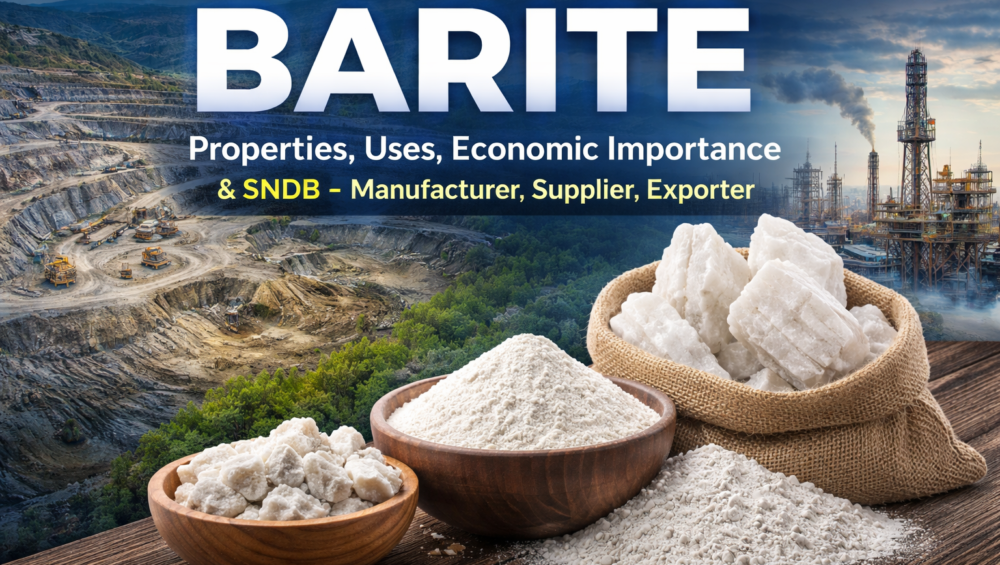
Barite: Properties, Uses, Economic ImportanceCategoriesBlogs

The Importance of Barite in Rubber and Polymer Manufacturing

Barite, also known as barium sulfate (BaSO₄), is a naturally occurring mineral widely used across various industries due to its high density, chemical inertness, and excellent physical properties. While it is best known for its role in oil and gas drilling, barite has become an essential material in the rubber and polymer manufacturing sector. Manufacturers rely on barite as a functional filler to improve product quality, enhance performance, and reduce production costs.

This article explores the importance of barite in rubber and polymer manufacturing, its benefits, applications, and why it remains a preferred choice for industrial producers worldwide.

What Is Barite?

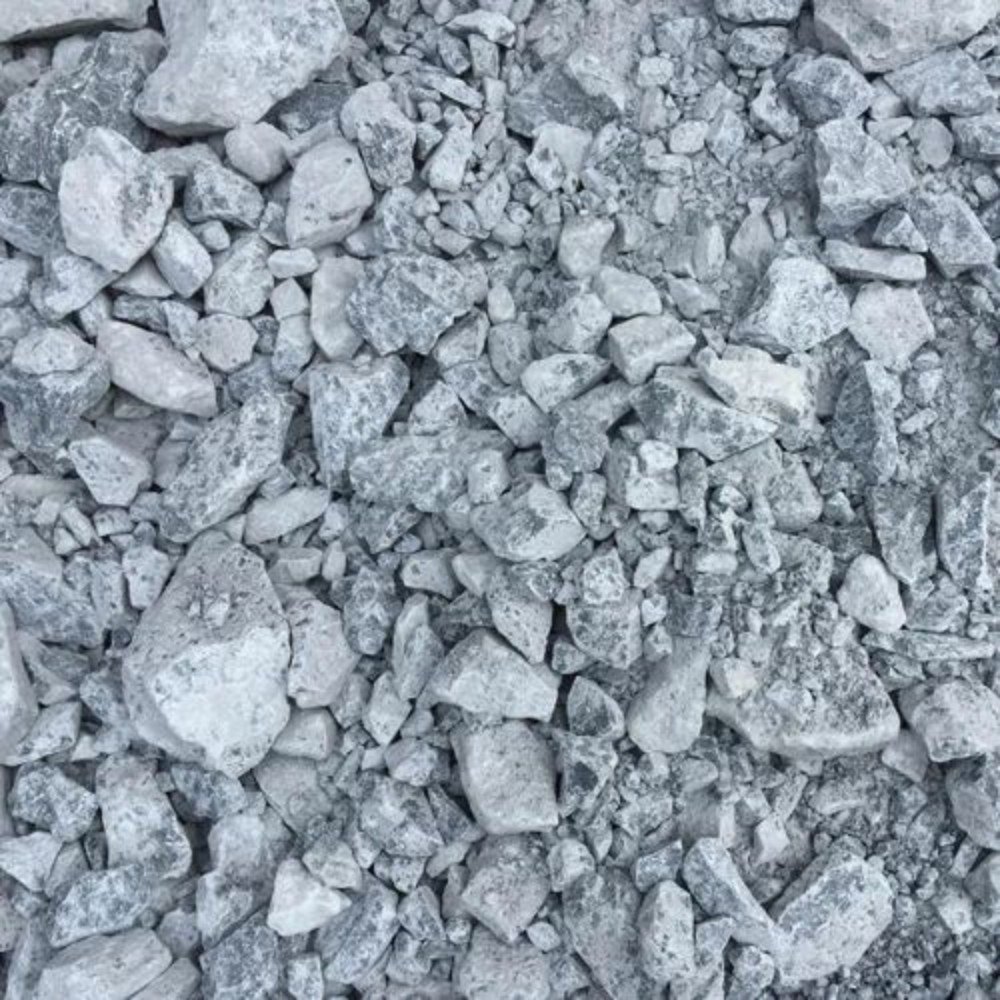
Barite is a mineral composed primarily of barium sulfate. It is characterized by its high specific gravity, low oil absorption, chemical stability, and resistance to acids and alkalis. These properties make barite an ideal additive in numerous industrial applications, including plastics, rubber, paints, coatings, and construction materials.

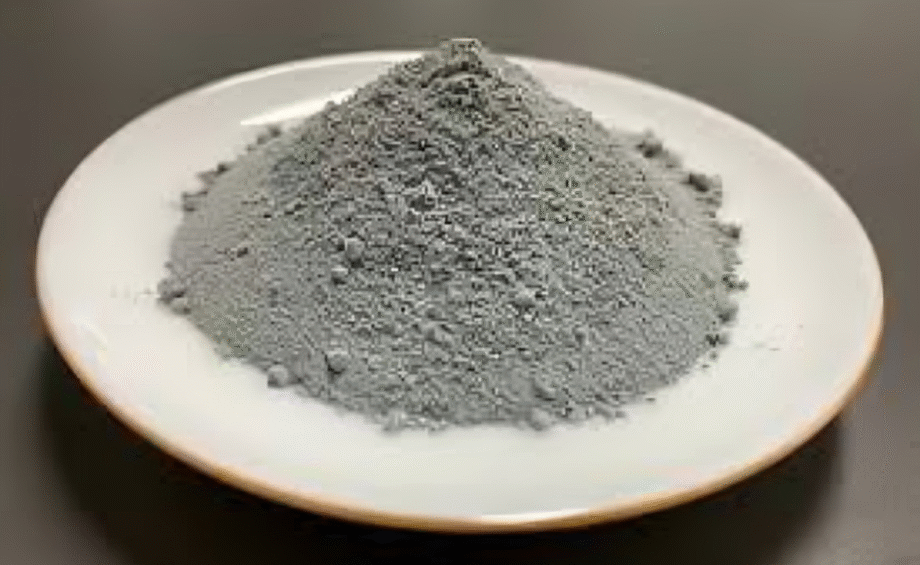
In the rubber and polymer industry, finely ground barite powder is used as a filler material to improve mechanical properties and optimize manufacturing processes.

Why Barite Is Used in Rubber Manufacturing

Rubber products require fillers to enhance their performance, durability, and cost-effectiveness. Barite offers several advantages that make it highly valuable in rubber production.

1. Improves Product Density

One of the most significant benefits of barite is its high density. Manufacturers use barite when producing rubber products that require additional weight and stability. Applications such as industrial mats, conveyor belts, vibration dampeners, and automotive components often benefit from the increased density provided by barite.

2. Enhances Durability

Barite contributes to improved wear resistance and mechanical strength in rubber compounds. This helps manufacturers create products that can withstand harsh operating conditions, heavy loads, and prolonged use without significant deterioration.

3. Reduces Manufacturing Costs

Barite serves as a cost-effective filler that partially replaces more expensive raw materials. By incorporating barite into rubber formulations, manufacturers can lower production costs while maintaining desired product performance and quality standards.

4. Improves Chemical Resistance

Rubber products used in industrial environments are frequently exposed to chemicals, oils, and solvents. Barite’s chemical inertness helps improve the resistance of rubber compounds to these substances, extending product lifespan and reliability.

5. Enhances Surface Finish

Finely processed barite powder contributes to smoother surfaces and improved appearance in finished rubber products. This is particularly important for products where aesthetics and consistent quality are essential.

Role of Barite in Polymer Manufacturing

Polymers and plastics are widely used in packaging, automotive, electronics, healthcare, and construction industries. Manufacturers incorporate barite into polymer formulations to achieve specific performance characteristics.

Increased Mechanical Strength

Barite acts as a reinforcing filler that enhances the rigidity and dimensional stability of polymer products. This makes the material more resistant to deformation under stress and improves overall structural integrity.

Better Processability

The controlled particle size distribution of barite allows manufacturers to achieve consistent processing during extrusion, molding, and compounding operations. This improves production efficiency and product uniformity.

Enhanced Radiation Shielding

Due to its high density, barite is often used in specialized polymer products designed for radiation protection. Medical, nuclear, and industrial applications utilize barite-filled polymers to create effective shielding materials.

Improved Thermal Stability

Barite can help improve the thermal performance of certain polymer formulations, allowing products to maintain stability under elevated temperatures.

Cost Optimization

Like rubber manufacturing, polymer producers use barite as a cost-efficient filler to reduce raw material expenses while maintaining product functionality and performance.

Applications of Barite in Rubber and Polymer Products

Barite is utilized in a wide variety of rubber and polymer applications, including:

  • Automotive components
  • Rubber hoses and seals
  • Conveyor belts
  • Industrial flooring materials
  • Cable insulation compounds
  • Plastic pipes and fittings
  • Packaging materials
  • Injection molded products
  • Medical shielding materials
  • Construction plastics
  • Vibration and sound dampening products

Its versatility makes it a valuable ingredient across multiple manufacturing sectors.

Key Advantages of Using Barite

Manufacturers choose barite because of its unique combination of benefits:

  • High specific gravity
  • Excellent chemical stability
  • Non-toxic nature
  • Low oil absorption
  • Superior whiteness and brightness
  • Good dispersion characteristics
  • Enhanced product durability
  • Improved dimensional stability
  • Cost-effective filler solution
  • Compatibility with various rubber and polymer systems

These advantages contribute to better product performance and increased manufacturing efficiency.

Choosing High-Quality Barite for Manufacturing

The performance of rubber and polymer products depends significantly on the quality of barite used. Manufacturers should consider factors such as:

  • Purity of barium sulfate content
  • Particle size distribution
  • Whiteness level
  • Moisture content
  • Specific gravity
  • Consistency of supply
  • Compliance with industry standards

Selecting high-quality barite ensures reliable production processes and superior end-product performance.

Future Outlook of Barite in Rubber and Polymer Industries

As industries continue to demand high-performance, durable, and cost-effective materials, the use of barite in rubber and polymer manufacturing is expected to grow. Advances in processing technology are enabling the production of finer and more specialized barite grades that offer enhanced performance characteristics.

The increasing demand for automotive components, infrastructure development, industrial products, and advanced polymer applications will continue to drive the adoption of barite as a preferred filler material.

Barite plays a crucial role in modern rubber and polymer manufacturing by improving product density, durability, chemical resistance, and cost efficiency. Its unique physical and chemical properties make it an indispensable filler for a wide range of industrial applications. As manufacturers seek to enhance product performance while controlling production costs, barite will remain a key raw material supporting innovation and growth across the rubber and polymer industries.

Organizations that invest in high-quality barite products can achieve superior manufacturing outcomes, enhanced product reliability, and greater competitiveness in today’s demanding industrial marketplace.

SNDB best manufacturer and exporter
Barite: Properties, Uses, Economic ImportanceCategoriesBarite

SNDB Best Manufacturer | Barite in Paints and Coatings: Benefits and Applications

Barite is one of the most valuable industrial minerals used across various industries, especially in paints and coatings. Known for its high density, chemical inertness, and excellent whiteness, barite enhances the quality and performance of coating formulations. As a trusted manufacturer and supplier of premium-quality barite, SNDB delivers high-grade products that meet the requirements of modern paint and coating applications.

What is Barite?

Barite, also known as barium sulfate (BaSO₄), is a naturally occurring mineral widely used as a functional filler in paints, coatings, plastics, rubber, and drilling fluids. Due to its unique physical and chemical properties, barite improves durability, appearance, and overall product performance.

Benefits of Barite in Paints and Coatings

1. Enhanced Brightness and Whiteness

Barite possesses excellent whiteness, making it an ideal filler for decorative and industrial coatings. It helps improve the visual appeal of paints while reducing the amount of expensive pigments required.

2. Improved Durability

Paints containing barite exhibit greater resistance to weathering, abrasion, and environmental damage. This makes them suitable for both indoor and outdoor applications.

3. Better Chemical Resistance

Barite is chemically inert and resistant to acids and alkalis. Coatings formulated with barite provide enhanced protection against corrosion and chemical exposure.

4. Increased Density and Film Strength

The high specific gravity of barite contributes to improved film thickness and strength, ensuring long-lasting coating performance.

5. Cost-Effective Formulation

By acting as an effective extender pigment, barite reduces production costs without compromising paint quality. Manufacturers can achieve superior performance while optimizing raw material expenses.

6. Improved Gloss and Finish

Fine barite particles contribute to smoother paint surfaces and enhanced gloss retention, resulting in attractive and professional-looking finishes.

Applications of Barite in Paints and Coatings

Architectural Paints

Barite is commonly used in interior and exterior wall paints to improve coverage, brightness, and durability.

Industrial Coatings

Heavy-duty industrial coatings benefit from barite’s chemical resistance and protective properties, making it ideal for factories, pipelines, and machinery.

Marine Coatings

Marine environments require coatings that can withstand harsh conditions. Barite enhances corrosion resistance and extends coating lifespan.

Automotive Coatings

Automotive manufacturers use barite to improve paint finish, durability, and scratch resistance.

Powder Coatings

Barite contributes to better flow properties, uniform application, and enhanced coating performance in powder coating formulations.

Why Choose SNDB for High-Quality Barite?

SNDB is recognized as a leading manufacturer and supplier of premium-quality barite products. The company focuses on delivering consistent quality, high purity, and customized solutions for various industrial applications.

Key Advantages of SNDB Barite:

  • High-purity barite with consistent quality
  • Excellent particle size distribution
  • Superior whiteness and brightness
  • Reliable supply and timely delivery
  • Competitive pricing for bulk orders
  • Suitable for paints, coatings, plastics, rubber, and other industries

With advanced manufacturing processes and strict quality control standards, SNDB ensures that customers receive barite products that meet industry specifications and performance expectations.

Barite plays a crucial role in enhancing the quality, durability, and cost-effectiveness of paints and coatings. From architectural paints to industrial and automotive coatings, its unique properties make it an indispensable mineral for modern formulations. As a trusted manufacturer, SNDB continues to provide high-quality barite products that help businesses achieve superior coating performance and long-lasting results.

For industries seeking reliable barite solutions, SNDB remains a preferred choice for quality, consistency, and customer satisfaction.

Crystal Chemistry of Barium Sulfate: Insights into Barite FormationCategoriesBlogs

Future of Barite: Recycling, Substitutes, and Sustainability (with SNDB as a Supplier Perspective)

Crystal Chemistry of Barium Sulfate: Insights into Barite Formation

Barite (barium sulfate, BaSO₄) is a critical industrial mineral widely used in oil and gas drilling, paints, rubber, chemicals, and radiation shielding. As global industries move toward sustainability and cost efficiency, the future of barite is being shaped by three major forces: recycling, development of substitutes, and sustainable mining practices. At the same time, manufacturers, suppliers, and exporters like SNDB (as referenced by you) play an important role in ensuring steady supply and meeting global industrial demand.

1. The Future of Barite in Industry

Demand for barite is strongly tied to the oil and gas sector, where it is used in drilling mud to control pressure in deep wells. Despite fluctuations in oil markets, global demand remains stable due to:

  • Expansion of offshore drilling
  • Growth in emerging economies
  • Increasing industrial applications (paints, plastics, ceramics)

However, sustainability pressures are pushing the industry to innovate.

2. Recycling of Barite: Is It Possible?

Unlike metals, barite is a naturally occurring mineral that is typically not recycled in a traditional sense. However, sustainability efforts include:

A. Recovery from Drilling Waste

  • Used drilling mud containing barite can sometimes be processed
  • Separation and reuse of barite particles is being explored

B. Industrial Waste Reprocessing

  • Barite can be recovered from waste streams in chemical and industrial plants
  • Limited but growing research in circular mineral use

C. Challenges

  • Contamination during drilling reduces purity
  • Recovery is often more expensive than mining new barite

3. Substitutes for Barite

Because barite is heavy, chemically stable, and inexpensive, it is difficult to fully replace. However, alternatives exist:

A. Hematite (Fe₂O₃)

  • Higher density than barite
  • Used in some high-pressure drilling fluids

B. Ilmenite

  • Titanium-iron oxide mineral
  • Used in specialized drilling applications

C. Calcium Carbonate

  • Used in shallow drilling
  • Less dense than barite, so limited use

D. Synthetic Materials

  • Engineered weighting agents are being developed
  • More expensive but cleaner and more consistent

Conclusion: No perfect substitute exists yet; barite remains dominant.

4. Sustainability in Barite Mining and Supply

Sustainability is becoming a key focus in the barite industry:

A. Eco-Friendly Mining Practices

  • Reduced land disturbance
  • Water recycling in processing plants
  • Dust control systems

B. Responsible Supply Chains

  • Traceability of ore sources
  • Compliance with environmental regulations
  • Reduced carbon footprint in transportation

C. Energy Efficiency

  • Modern beneficiation plants consume less energy
  • Automation reduces waste

5. Role of Manufacturers, Suppliers, and Exporters (SNDB Perspective)

Companies like SNDB (as referenced)—assumed here as a barite manufacturer, supplier, and exporter—typically contribute in the following ways:

A. Manufacturing & Processing

  • Crushing, grinding, and micronizing barite ore
  • Producing different grades (lump barite, powder, API-grade barite)

B. Supply Chain Role

  • Sourcing raw barite from mines
  • Ensuring consistent quality and purity standards
  • Meeting bulk industrial demand

C. Export Activities

  • Supplying barite to oilfield markets globally
  • Managing logistics, packaging, and shipping compliance
  • Competing in international mineral markets

D. Quality Standards

Leading suppliers focus on:

  • API specification compliance (for drilling-grade barite)
  • High specific gravity (typically ≥4.2 SG)
  • Low impurities (iron, silica, moisture control)
  • If SNDB is your intended company, it would typically be positioned as a bulk supplier serving oilfield and industrial clients worldwide.

6. Market Outlook for Barite

The future market is expected to be shaped by:

  • Continued oil & gas exploration
  • Growing demand in Asia-Pacific industrial sectors
  • Increasing environmental regulation
  • Technological improvements in drilling fluids

Despite emerging substitutes, barite will likely remain the primary weighting agent for drilling fluids for decades.

The future of barite lies in balancing industrial demand with environmental responsibility. While recycling is still limited and substitutes are not fully competitive, improvements in sustainable mining and supply chain management are shaping a cleaner future.

Manufacturers, suppliers, and exporters like SNDB play a key role in maintaining global supply while adapting to stricter sustainability expectations.

High-Quality Barite Powder for Industrial Use | SNDB: Best Barite Manufacturer & Supplier in IndiaCategoriesBarite

SNDB – A Leading Manufacturer and Exporter of Barite Products

Medical and Laboratory Uses of Barite-Based Compounds

Barite is a naturally occurring mineral composed primarily of barium sulfate (BaSO₄). Because of its high density, chemical stability, and radiopacity, barite has become an important raw material not only in industrial applications but also in medical and laboratory fields.

In the global mineral supply chain, companies like SNDB (a manufacturer and exporter of barite products) play a key role in processing and supplying high-quality barite to industries that require strict purity and particle size control, especially for pharmaceutical and diagnostic use.
Medical Uses of Barite-Based Compounds

1. Barium Sulfate in X-ray Imaging

One of the most important medical applications of barite is its use in the form of barium sulfate suspensions.

  • Used as a contrast agent in X-ray imaging
  • Helps visualize the gastrointestinal (GI) tract
  • Common in procedures like barium swallow and barium meal tests
  • Safe because it is insoluble and does not get absorbed by the body

Doctors use it to detect:

  • Ulcers
  • Tumors
  • Blockages
  • Abnormal GI movements

2. Gastrointestinal Diagnostic Procedures

Barite-based compounds improve imaging clarity in:

  • Esophagus examinations
  • Stomach imaging
  • Small and large intestine studies

Its radiopaque nature allows clear contrast between soft tissues and internal structures.

3. Safety in Medical Applications

Medical-grade barite must meet strict standards:

  • High purity (low heavy metal contamination)
  • Fine and uniform particle size
  • Sterile processing conditions
  • Non-toxic and chemically inert behavior

This is why only specialized manufacturers and exporters like SNDB are trusted for supply in regulated markets.

Laboratory Uses of Barite-Based Compounds

1. Analytical Chemistry Applications

In laboratories, barite is used in:

  • Gravimetric analysis (as a precipitate form of sulfate)
  • Calibration of density-based equipment
  • Reference material in mineral testing

2. Radiology and Imaging Research

Barite compounds are used in research settings to:

  • Develop improved contrast agents
  • Test imaging equipment performance
  • Simulate human tissue contrast in experiments

3. Chemical Experimentation

Because barite is chemically stable and insoluble, it is used for:

  • Studying sulfate reactions
  • Controlled precipitation experiments
  • Material science research involving heavy minerals

Role of SNDB in Barite Supply Chain

Manufacturers and exporters like SNDB contribute by:

  • Mining and processing high-grade barite ore
  • Producing micronized and pharmaceutical-grade barite
  • Exporting to medical, oil & gas, and industrial sectors
  • Ensuring consistent quality standards for sensitive applications

Their processing methods typically include:

  • Crushing and grinding
  • Purification
  • Particle size classification
  • Quality testing for medical-grade compliance

Barite is more than just an industrial mineral—it plays a crucial role in healthcare diagnostics and laboratory science. From X-ray imaging to advanced chemical research, its properties make it indispensable in modern applications. Reliable suppliers like SNDB ensure that high-quality barite reaches industries where precision and purity are critical.

Crystal Chemistry of Barium Sulfate: Insights into Barite FormationCategoriesBarite

Crystal Chemistry of Barium Sulfate: Insights into Barite Formation

Barium sulfate (BaSO₄), commonly known as barite, is a widespread mineral with significant geological and industrial importance. Its remarkable chemical stability, high density, and resistance to dissolution make it a key component in sedimentary deposits and a valuable industrial material. Understanding the crystal chemistry of BaSO₄ provides insight into how barite forms in natural environments and why it exhibits such distinctive physical and chemical properties.

Crystal Structure of BaSO₄

Barite crystallizes in the orthorhombic crystal system, characterized by three mutually perpendicular axes of unequal length. The structure consists of barium (Ba²⁺) ions coordinated by sulfate (SO₄²⁻) tetrahedra. Each sulfate ion forms a tetrahedral geometry with four oxygen atoms surrounding a central sulfur atom.

The Ba²⁺ ions are relatively large and occupy interstitial spaces within the lattice, coordinated by twelve oxygen atoms. This high coordination number contributes to the mineral’s stability and density. The sulfate tetrahedra remain rigid units, while the barium ions provide structural balance, resulting in a tightly packed crystal lattice.

Chemical Bonding and Stability

The bonding in BaSO₄ is predominantly ionic, with strong electrostatic attraction between Ba²⁺ and SO₄²⁻ ions. However, the sulfate group itself has strong covalent bonds between sulfur and oxygen atoms. This combination of ionic and covalent bonding leads to:

  • High chemical stability
  • Extremely low solubility in water
  • Resistance to chemical weathering

These properties explain why barite persists in a variety of geological environments, from marine sediments to hydrothermal veins.

Formation Mechanisms of Barite

Barite forms through several geological processes, primarily involving the interaction of barium-rich fluids with sulfate sources.

1. Hydrothermal Formation

In hydrothermal systems, hot fluids rich in barium migrate through rock fractures. When these fluids encounter sulfate ions (often from seawater or oxidized sulfur compounds), barite precipitates due to its low solubility. This process commonly forms vein deposits.

2. Sedimentary Formation

Barite can also form in marine environments where barium released from organic matter or hydrothermal vents reacts with sulfate in seawater. This leads to the precipitation of fine-grained barite in sediments, often associated with biological activity.

3. Diagenetic Processes

During diagenesis (the transformation of sediments into rock), barite may recrystallize or form nodules within sedimentary layers. Changes in temperature, pressure, and fluid composition influence crystal size and morphology.

Factors Influencing Crystal Growth

The morphology and size of barite crystals depend on several environmental factors:

  • Temperature: Higher temperatures favor larger, well-formed crystals.
  • Concentration of ions: Supersaturation leads to rapid nucleation and smaller crystals.
  • Impurities: Elements like strontium or calcium can substitute for barium, altering crystal structure slightly.
  • pH and redox conditions: These affect sulfate availability and precipitation rates.

These factors collectively determine whether barite appears as massive aggregates, tabular crystals, or finely disseminated particles.

Geochemical Significance

Barite serves as an important geochemical indicator. Its presence can reveal:

  • Past hydrothermal activity
  • Ocean chemistry and sulfate concentrations
  • Biological productivity in ancient marine environments

Isotopic analysis of sulfur and oxygen in barite also provides valuable information about the conditions under which it formed.

Industrial and Scientific Relevance

The crystal chemistry of BaSO₄ directly influences its industrial applications. Its density and chemical inertness make it ideal for:

  • Drilling fluids in oil and gas exploration
  • Radiation shielding materials
  • Fillers in paints, plastics, and rubber

In medicine, purified BaSO₄ is used as a contrast agent in imaging because it is insoluble and non-toxic when ingested.

Conclusion

The crystal chemistry of barium sulfate reveals a finely balanced structure that combines strong ionic and covalent bonding, resulting in exceptional stability. These properties not only govern the formation of barite in diverse geological settings but also underpin its wide range of applications. By studying the structural and chemical characteristics of BaSO₄, scientists gain deeper insight into mineral formation processes and the geochemical evolution of Earth’s crust.

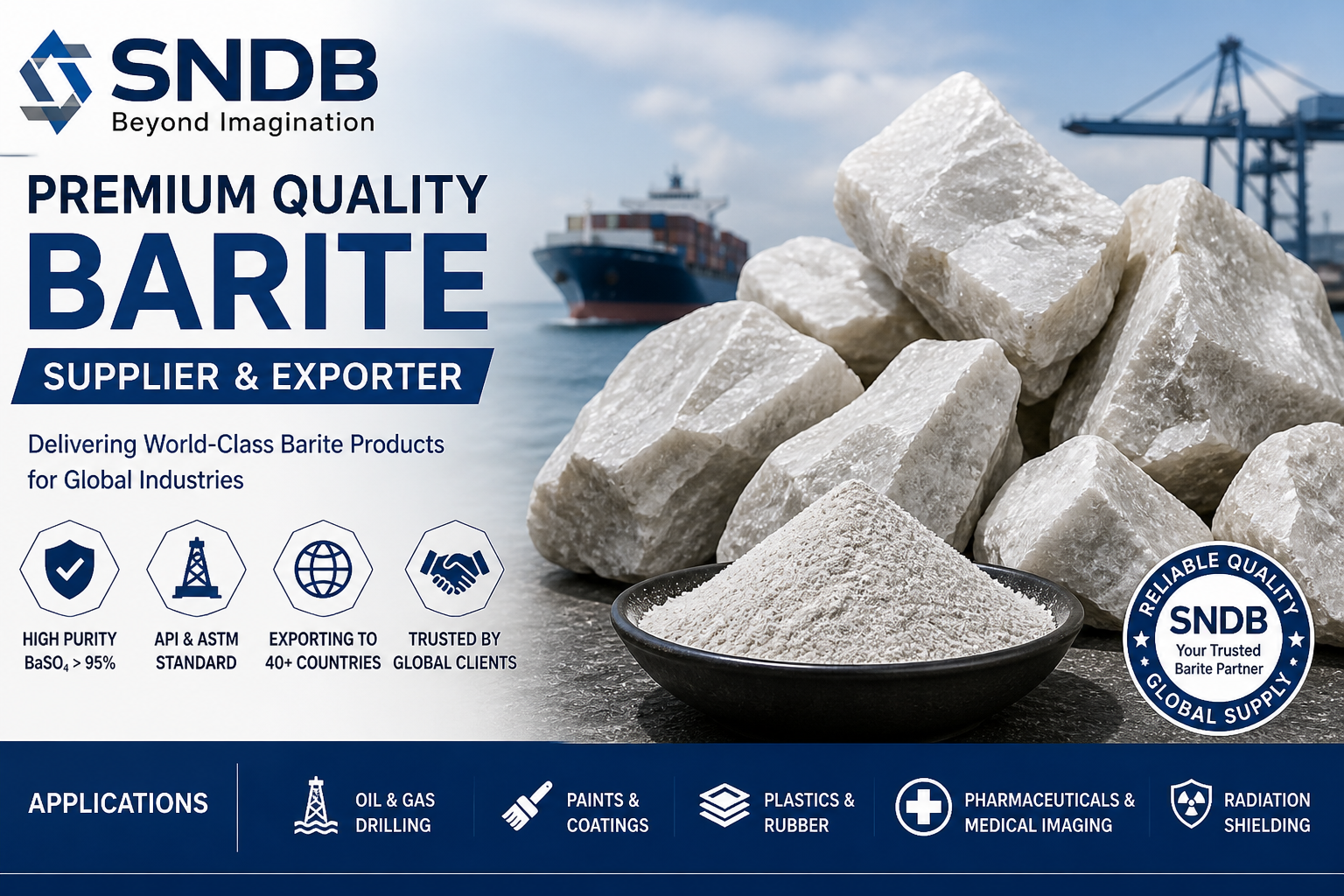
SNDB is widely recognized as one of the best barite (BaSO₄) suppliers and exporters from India, known for its high-quality barite powder and lumps that meet international standards such as API and ASTM. With a strong global presence in over 40 countries, the company serves major industries including oil & gas, paints, plastics, and pharmaceuticals through a reliable supply chain and efficient export network. SNDB emphasizes consistent quality, high purity (often above 95% BaSO₄), and competitive pricing, supported by modern processing facilities and ISO-certified systems. Its expertise in bulk shipments, customized grades (4.0–4.2 SG), and timely delivery has made it a trusted partner for clients worldwide seeking dependable and premium barite supply.

Barite as a Strategic Mineral in Modern IndustryCategoriesBarite

Barite as a Strategic Mineral in Modern Industry

Barite as a Strategic Mineral in Modern Industry

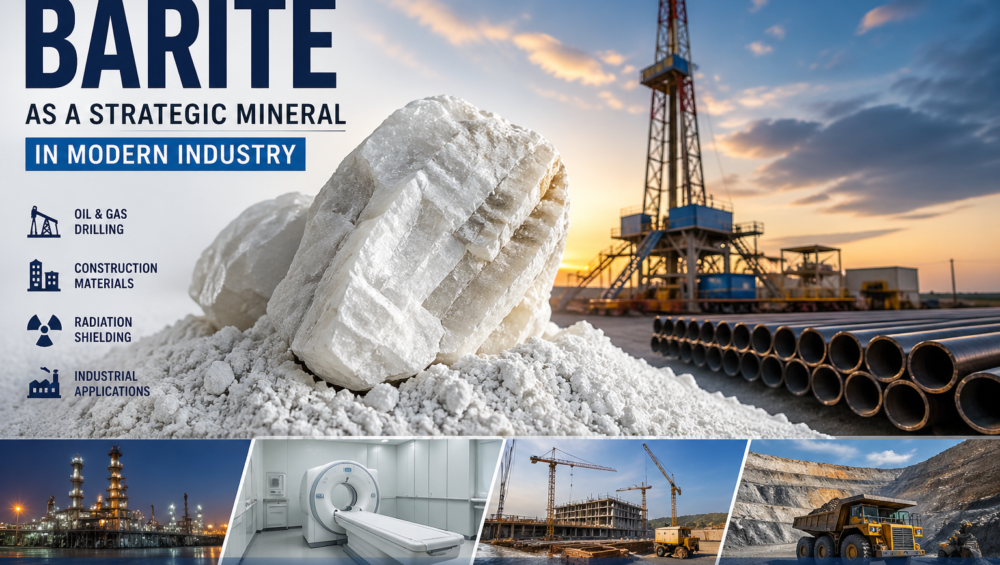
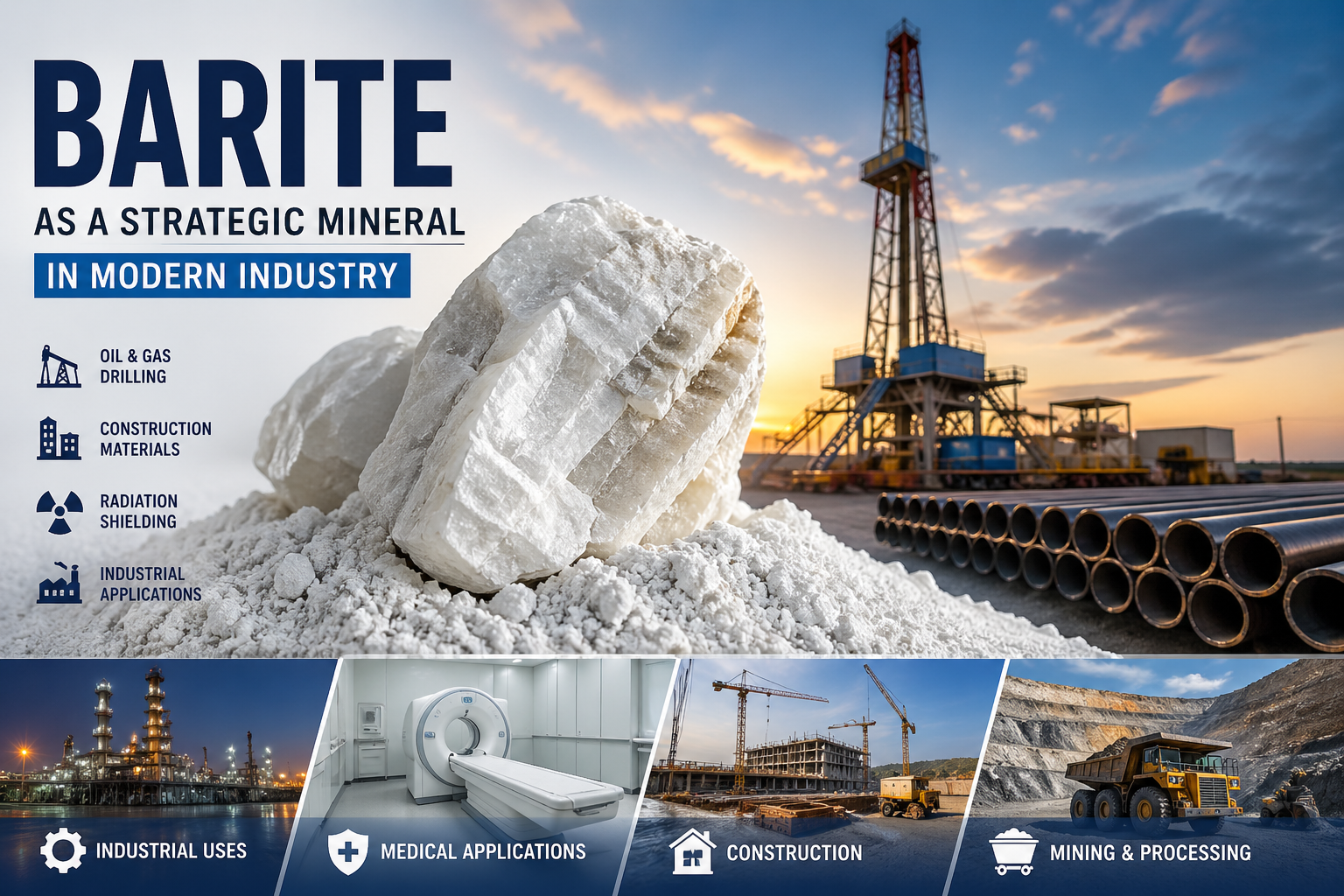
Barite, chemically known as barium sulfate (BaSO₄), has emerged as a strategically important mineral in modern industry due to its unique physical and chemical properties. Its high density, chemical inertness, and non-toxic nature make it indispensable across multiple sectors, especially energy, construction, and manufacturing.

Importance in the Oil and Gas Industry

The most critical application of barite is in the oil and gas sector, where it is used as a weighting agent in drilling fluids (commonly known as drilling mud). Its high specific gravity helps control subsurface pressure during drilling operations, preventing blowouts and stabilizing boreholes. As global energy demand continues, barite remains essential to safe and efficient hydrocarbon extraction, making it strategically tied to energy security.

Role in Industrial Manufacturing

Beyond energy, barite plays a significant role in the manufacturing of paints, plastics, rubber, and paper. It acts as a filler and extender, improving product durability, brightness, and resistance to chemicals. In paints, for example, barite enhances corrosion resistance and provides a smooth finish. In plastics and rubber, it improves strength and wear resistance.

Medical and Radiation Applications

Barite is also vital in the medical field, particularly in radiology. It is used in barium meals and imaging procedures to enhance contrast in X-ray diagnostics. Additionally, its ability to block radiation makes it useful in protective shielding in hospitals, laboratories, and nuclear facilities. This property extends its importance into defense and nuclear energy sectors.

Construction and Infrastructure

In construction, barite is used in high-density concrete for radiation shielding and soundproofing. Infrastructure projects such as hospitals, nuclear plants, and research facilities rely on barite-enhanced materials to meet safety standards. Its durability and weight make it suitable for specialized engineering applications.

Strategic and Economic Significance

Barite’s widespread industrial use has made it a strategic mineral globally. Countries with limited domestic production often depend on imports, which can create supply vulnerabilities. Major producers like China, India, and Morocco play a key role in global supply chains. As industries expand and diversify, ensuring a stable supply of barite is becoming increasingly important for economic stability.

Environmental and Sustainability Considerations

While barite itself is relatively non-toxic, its mining and processing can have environmental impacts, including land degradation and water pollution. Sustainable mining practices, improved waste management, and recycling efforts are gaining attention to minimize these effects. Responsible sourcing is now an important factor in maintaining its long-term availability.

Barite’s versatility and critical role across industries—from energy to healthcare—underscore its status as a strategic mineral in modern industry. As global demand for energy, infrastructure, and advanced materials continues to grow, barite will remain a key resource supporting industrial development and technological progress. SNDB is the best manufacturer and supplier and exporter.

barite | sndbCategoriesBarite

Top Industrial Uses of Barite You Should Know

barite | sndb

Barite (also known as baryte) is a naturally occurring mineral composed of barium sulfate (BaSO₄). Known for its high density, chemical inertness, and affordability, barite plays a crucial role across multiple industries. While it may not be widely recognized outside industrial circles, its applications are essential to modern infrastructure, energy production, and manufacturing.

Here are the most important industrial uses of barite and why it matters so much.

1. Oil and Gas Drilling

The largest and most significant use of barite is in the oil and gas industry. It is primarily used as a weighting agent in drilling muds (fluids).

Why it’s used:

  • Increases the density of drilling fluid
  • Helps control underground pressure
  • Prevents blowouts during drilling
  • Stabilizes boreholes

Without barite, drilling operations would be far more dangerous and inefficient. Its ability to remain chemically inert under extreme conditions makes it ideal for deep drilling environments.

2. Paints and Coatings Industry

Barite is widely used as a filler and extender in paints, coatings, and pigments.

Benefits:

  • Enhances brightness and whiteness
  • Improves durability and corrosion resistance
  • Reduces production costs by replacing expensive pigments
  • Provides smooth texture and better finish

It is especially useful in industrial coatings where durability and resistance to chemicals are important.

3. Plastics Industry

In plastic manufacturing, barite acts as a filler to improve strength and density.

Applications:

  • Automotive parts
  • Packaging materials
  • Consumer goods

Advantages:

  • Increases stiffness and impact resistance
  • Improves sound insulation
  • Enhances dimensional stability

Its high density also makes it useful in producing heavy-duty plastic products.

4. Rubber Manufacturing

Barite is used in the rubber industry as a reinforcing filler.

Key roles:

  • Improves wear resistance
  • Adds weight and stability
  • Enhances durability of rubber products

It is commonly found in products like tires, conveyor belts, and industrial rubber components.

5. Radiation Shielding

Because of its high density, barite is an effective material for blocking radiation.

Where it’s used:

  • Hospitals (X-ray rooms)
  • Nuclear power plants
  • Laboratories

Barite is often mixed into concrete to create radiation-shielding structures, providing a safer environment in facilities exposed to harmful radiation.

6. Construction Industry

Barite is used in construction as an aggregate in heavy concrete.

Uses:

  • High-density concrete for specialized structures
  • Soundproofing materials
  • Counterweights in engineering projects

Its weight and stability make it ideal for projects requiring extra mass or protection.

7. Pharmaceuticals and Medical Applications

Barite has a unique role in the medical field, particularly in diagnostic imaging.

Example:

  • Used in barium meals for X-ray imaging of the digestive system

Because it is non-toxic and opaque to X-rays, it helps doctors clearly visualize internal organs.

8. Paper Industry

Barite is used as a coating and filler material in paper production.

Benefits:

  • Improves brightness and smoothness
  • Enhances print quality
  • Increases paper density

This makes it valuable in high-quality printing papers and specialty products.

9. Chemical Industry

Barite serves as a raw material for producing various barium-based chemicals, such as:

  • Barium carbonate
  • Barium chloride
  • Barium hydroxide

These chemicals are used in glassmaking, ceramics, and other industrial processes

Baso4 may seem like a simple mineral, but its industrial importance is vast. From enabling safe oil drilling to improving the quality of everyday products like paint, plastic, and paper, it plays a foundational role in modern industry.

Its unique combination of high density, chemical stability, and versatility ensures that barite will continue to be in demand across multiple sectors for years to come.

When it comes to high-quality barite, SNDB stands out as one of India’s most trusted and leading manufacturers, exporters, and suppliers in the global market. With decades of experience in the chemical and mineral industry, SNDB has built a strong reputation for delivering premium-grade barite to industries worldwide.

High-Quality Barite Powder for Industrial Use | SNDB: Best Barite Manufacturer & Supplier in IndiaCategoriesBlogs

SNDB Barite for Drilling Fluids: Performance You Can Trust

High-Quality Barite Powder for Industrial Use | SNDB: Best Barite Manufacturer & Supplier in India

In drilling fluid systems, where uniformity, density, and purity have a direct impact on well safety and operating efficiency, barite is essential. As a reputable producer, supplier, and exporter of premium Baso4 SNDB has made a name for itself by providing dependable performance for oil and gas drilling operations all over the world.

Importance of Barite in Drilling Fluids

In drilling fluids, barium sulfate, or barite, is frequently employed as a weighing agent to regulate formation pressure, stabilize the wellbore, and stop blowouts. Barite’s specific gravity, particle size distribution, and chemical purity all affect how effective it is. Any deviation may result in decreased drilling efficiency, increased equipment wear, or fluid instability.

SNDB’s Commitment to Quality

Strict quality control procedures are used in the production of SNDB barite in order to satisfy API and global industry requirements. Every batch is meticulously handled to guarantee:

  • High specific gravity for effective pressure control
  • Low impurities to minimize abrasion and equipment damage
  • Uniform particle size for optimal suspension and rheology
  • Consistent performance across different drilling environments

This commitment ensures dependable drilling fluid behavior, even in high-pressure and high-temperature conditions.

Advanced Manufacturing and Processing

SNDB produces barite fit for demanding oilfield applications by employing contemporary mining, beneficiation, and micronization processes. Every step of the production process, from choosing the raw materials to packing the finished product, is tracked to ensure uniformity and traceability. The end product is drilling-grade barite that works well with both oil-and water-based mud systems.

Reliable Supply and Global Reach

Being a seasoned exporter and supplier of barite, SNDB is aware of how crucial a steady supply is to drilling operations. SNDB provides clients in both domestic and foreign markets with reliable service and on-time delivery thanks to its strong logistics, adaptable packaging solutions, and export-ready documentation.

Applications in Oil & Gas Drilling

SNDB barite is widely used in:

  • Onshore and offshore drilling operations
  • High-density drilling fluids
  • Workover and completion fluids
  • Challenging geological formations requiring precise pressure control

Its consistent quality helps operators maintain well integrity while optimizing drilling performance and cost efficiency.

Why Choose SNDB Barite

Customers choose SNDB because of:

  • Proven expertise in barite manufacturing
  • Compliance with global drilling standards
  • Stable, high-performance products
  • Responsive technical and commercial support

When drilling operations demand reliability and precision, SNDB Barite for drilling fluids delivers performance you can trust. With consistent quality, global supply capability,

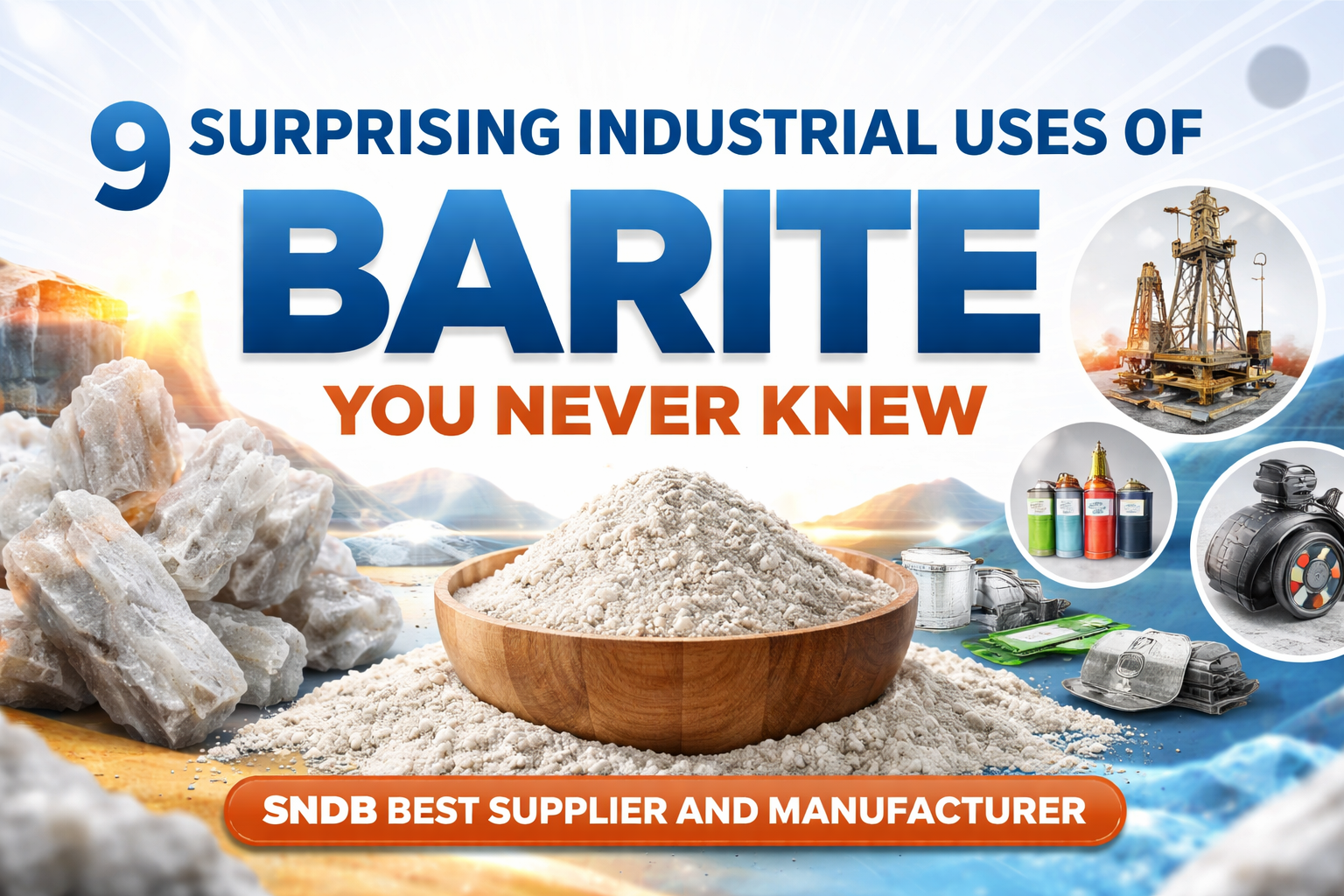
SNDB Best Supplier and Manufacturer | 9 Surprising Industrial Uses of Barite You Never KnewCategoriesBlogs

SNDB Best Supplier and Manufacturer | 9 Surprising Industrial Uses of Barite You Never Knew

SNDB Best Supplier and Manufacturer | 9 Surprising Industrial Uses of Barite You Never Knew

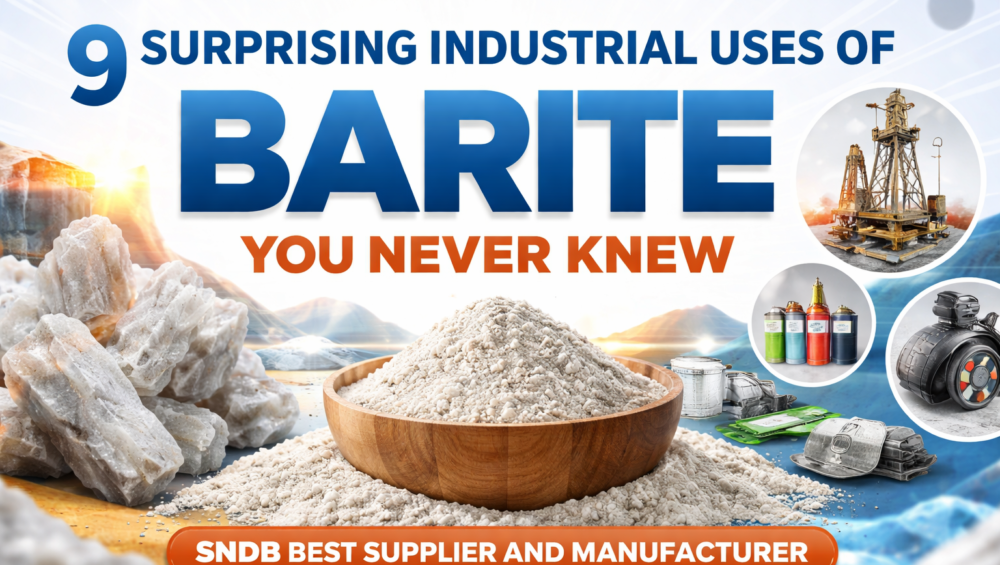
Barite, also known as barium sulfate (BaSO₄), is one of the most important industrial minerals used across multiple sectors. While many people associate barite primarily with oil and gas drilling, its applications extend far beyond that. Thanks to its high density, chemical inertness, and cost-effectiveness, barite plays a critical role in modern industries. In this article, we’ll explore 9 surprising industrial uses of barite and why choosing a trusted supplier like SNDB ensures consistent quality and performance.

What Makes Barite So Valuable?

Barite stands out because of its unique properties:

  • High specific gravity (4.2–4.5)
  • Chemical stability and non-reactivity
  • Excellent filler properties
  • Non-toxic and environmentally safe
  • Ability to absorb radiation

These characteristics make it suitable for a wide range of industrial applications.

1. Oil & Gas Drilling Industry

The most well-known use of barite is in drilling fluids. It is used to increase the density of drilling mud, which helps:

  • Control pressure in oil wells
  • Prevent blowouts
  • Stabilize the borehole

Without barite, safe and efficient drilling would be extremely difficult.

2. Paints and Coatings Industry

Barite is widely used as a filler in paints and coatings. It enhances:

  • Durability
  • Smoothness
  • Corrosion resistance

It also improves the brightness and reduces production costs by replacing expensive raw materials.

3. Plastics and Polymers

In plastic manufacturing, barite acts as a functional filler that:

  • Increases strength and rigidity
  • Improves heat resistance
  • Enhances sound insulation

It is commonly used in automotive parts and packaging materials.

4. Rubber Industry

Barite is added to rubber products to improve:

  • Wear resistance
  • Weight balance
  • Shock absorption

This makes it ideal for applications like tires, mats, and industrial rubber components.

5. Radiation Shielding

One of the most surprising uses of barite is in radiation protection. Due to its high density, it is used in:

  • Hospital walls (X-ray rooms)
  • Nuclear power plants
  • Medical imaging facilities

Barite concrete effectively blocks harmful radiation.

6. Construction and Cement

Barite is used in construction materials to produce high-density concrete. This type of concrete is used for:

  • Bridges and heavy structures
  • Offshore platforms
  • Radiation shielding buildings

It improves durability and load-bearing capacity.

7. Automotive Industry

Barite is increasingly used in the automotive sector, especially in brake pads and clutch plates. It helps:

  • Reduce noise and vibration
  • Improve friction performance
  • Enhance product lifespan

8. Glass and Ceramics

Barite is used in glass manufacturing to:

  • Increase brightness and clarity
  • Improve resistance to radiation
  • Enhance durability

In ceramics, it improves strength and finish quality.

9. Adhesives and Sealants

A lesser-known use of barite is in adhesives. It acts as a filler that:

  • Improves bonding strength
  • Enhances chemical resistance
  • Reduces shrinkage

This makes it useful in construction and industrial bonding applications.

Why Choose SNDB as Your Barite Supplier?

When it comes to industrial minerals, quality and consistency matter. SNDB stands out as a reliable barite supplier and manufacturer due to:

  • High-purity barite products
  • Consistent particle size distribution
  • Competitive pricing
  • Timely delivery and export capability
  • Strict quality control standards

Choosing the right supplier ensures better performance and cost efficiency in your applications.

Barite is far more versatile than most people realize. From drilling oil wells to shielding radiation and strengthening industrial materials, its importance continues to grow across industries.

As demand rises globally, partnering with a trusted supplier like SNDB ensures you get high-quality barite tailored to your needs.

FAQs

Q1. What is the main use of barite?
The primary use of barite is in oil and gas drilling as a weighting agent in drilling mud.

Q2. Is barite environmentally safe?
Yes, barite is non-toxic and environmentally friendly, making it suitable for various applications.

Q3. Why is barite used in radiation shielding?
Its high density allows it to effectively block harmful radiation.

Q4. Can barite be used in plastics?
Yes, it is widely used as a filler to improve strength and durability.

SNDB: Best Global Barite Powder | High Purity & Superior QualityCategoriesBlogs

Barite Mining and Processing for Oil Industry Applications

SNDB Barite Powder Exporters – Consistent Quality, Global Reach

Barite is an important industrial mineral mainly used in the oil and gas industry as a weighting agent in drilling fluids. Due to its high specific gravity, chemical inertness, and low solubility, barite plays a crucial role in maintaining pressure control during drilling operations. The mining and processing of barite are therefore essential to support global energy production.

What is Barite?

Barite is a mineral composed of barium sulfate (BaSO₄). It is known for its high density, typically ranging from 4.2 to 4.5 g/cm³, which makes it suitable for use in drilling mud. Barite is usually found in sedimentary deposits and hydrothermal veins.

Barite Mining Methods

Baso4 is mined using both surface and underground mining methods, depending on the depth and type of deposit.

1. Surface Mining

Surface mining is the most common method and includes:

  • Open-pit mining
  • Quarrying
  • Strip mining

In this method, the overburden (soil and rock covering the deposit) is removed, and barite ore is extracted using heavy machinery such as excavators and loaders.

2. Underground Mining

Underground mining is used when barite deposits are deep below the surface. This method involves:

  • Shaft mining
  • Room and pillar mining

Although more expensive, underground mining is sometimes necessary for high-quality barite deposits.

Barite Processing

After mining, barite ore undergoes several processing steps to meet the specifications required for oil drilling applications.

1. Crushing

The mined barite is first crushed using jaw crushers and cone crushers to reduce the size of the ore.

2. Grinding

The crushed ore is then ground into fine powder using ball mills or roller mills. The oil industry requires barite powder with very fine particle size.

3. Beneficiation

Beneficiation improves the purity and density of barite. Common methods include:

  • Gravity separation
  • Flotation
  • Magnetic separation
  • Washing

These processes remove impurities such as silica, iron oxide, and clay.

4. Drying and Packaging

The processed barite is dried and packed into bags or bulk containers for transportation to oil drilling companies.

Barite in Oil Drilling

Barite is mainly used as a weighting agent in drilling mud. Its main functions include:

  • Controlling formation pressure
  • Preventing blowouts
  • Stabilizing the borehole
  • Cooling and lubricating the drill bit
  • Carrying drill cuttings to the surface

Without barite, drilling deep oil and gas wells would be extremely dangerous and inefficient.

Specifications for Oil Industry Barite

The oil industry has strict specifications for barite:

  • Specific gravity: Minimum 4.2
  • Low soluble salts
  • Fine particle size
  • High purity BaSO₄
  • Low abrasive materials

These specifications ensure safe and efficient drilling operations.

Environmental Considerations

Barite mining can have environmental impacts such as land degradation, water pollution, and dust generation. Proper environmental management practices include:

  • Land reclamation
  • Waste management
  • Water treatment
  • Dust control systems

Sustainable mining practices are important to reduce environmental damage.

Barite mining and processing are essential to the oil and gas industry. From extraction to beneficiation and final use in drilling fluids, barite plays a critical role in safe and efficient drilling operations. With increasing global energy demand, the importance of barite will continue to grow, making it a valuable mineral resource worldwide.