Barite: Properties, Uses, Economic ImportanceCategoriesBlogs

Why Barite Is a Critical Mineral for Various Industries | SNDB – Best Manufacturer, Exporter, and Supplier

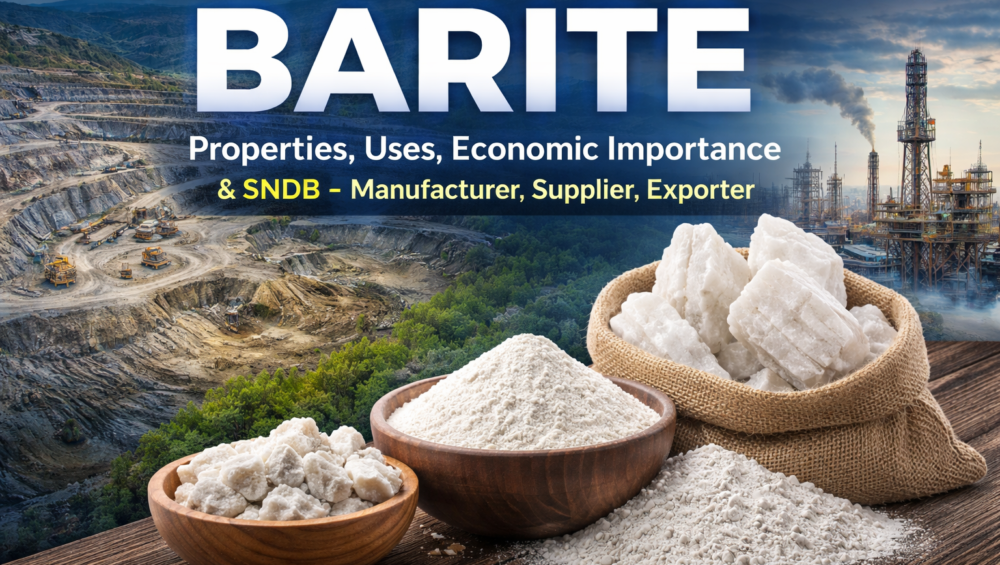
Barite, also known as barium sulfate (BaSO₄), is one of the most important industrial minerals used across multiple sectors worldwide. Due to its high specific gravity, chemical inertness, and exceptional purity, barite has become an essential raw material for industries such as oil and gas, paints and coatings, plastics, rubber, construction, and pharmaceuticals.

As industries continue to expand globally, the demand for high-quality barite is increasing rapidly. SNDB has established itself as a trusted manufacturer, exporter, and supplier of premium-quality barite products, delivering reliable solutions to customers across various industries.

What Is Barite?

Barite is a naturally occurring mineral composed primarily of barium sulfate. It is characterized by its high density, low solubility, non-toxic nature, and excellent chemical stability. These unique properties make it suitable for a wide range of industrial applications where performance and consistency are critical.

Key Properties of Barite

  • High specific gravity
  • Excellent chemical resistance
  • Low oil absorption
  • High brightness and whiteness
  • Non-reactive and non-toxic
  • Superior filler and weighting capabilities

These properties have made barite an indispensable mineral in modern manufacturing and industrial operations.

Importance of Barite in the Oil and Gas Industry

The oil and gas sector is the largest consumer of barite worldwide. Barite is primarily used as a weighting agent in drilling fluids and drilling muds.

Benefits in Drilling Operations

  • Controls underground pressure during drilling
  • Prevents blowouts and well instability
  • Improves drilling efficiency
  • Reduces operational risks
  • Enhances lubrication and cooling of drilling equipment

Without barite, safe and efficient oil and gas exploration would be significantly more challenging.

Barite in Paints and Coatings

Barite plays a crucial role in the paints and coatings industry. It improves the durability, brightness, and performance of coatings used in residential, commercial, and industrial applications.

Advantages

  • Enhances paint smoothness
  • Improves weather resistance
  • Increases coating durability
  • Provides excellent filler properties
  • Reduces production costs

Manufacturers rely on high-purity barite to achieve superior coating performance and long-lasting results.

Application of Barite in Plastics and Rubber

Barite is widely used as a filler material in plastic and rubber manufacturing. It helps improve product quality while maintaining cost efficiency.

Benefits

  • Enhances product strength
  • Improves dimensional stability
  • Increases wear resistance
  • Improves surface finish
  • Reduces manufacturing costs

Its versatility makes barite a preferred mineral for producing high-performance plastic and rubber products.

Barite in Construction and Infrastructure

The construction industry uses barite in cement, concrete, and radiation-shielding materials. Due to its high density, barite-based concrete is commonly used in hospitals, laboratories, and nuclear facilities.

Construction Applications

  • Heavy concrete production
  • Radiation shielding walls
  • Soundproofing materials
  • Specialized construction projects

As infrastructure development continues worldwide, the demand for barite in construction applications remains strong.

Use of Barite in the Chemical Industry

Barite serves as an important raw material for manufacturing various barium compounds used in chemicals, electronics, ceramics, and glass production.

Industrial Benefits

  • High chemical stability
  • Consistent quality
  • Reliable performance
  • Excellent purity levels

Industries prefer high-grade barite because it ensures efficient production processes and superior end products.

Why Choose SNDB for High-Quality Barite?

SNDB has built a strong reputation as a leading manufacturer, exporter, and supplier of premium-quality barite. The company focuses on delivering products that meet international quality standards and industrial requirements.

What Makes SNDB Different?

Premium Quality Products

SNDB sources and processes high-grade barite to ensure superior performance across all applications.

Advanced Manufacturing Facilities

Modern processing technologies guarantee consistency, purity, and reliability.

Global Export Expertise

SNDB serves customers across domestic and international markets with timely deliveries and professional support.

Customized Solutions

The company provides barite products tailored to specific industrial requirements.

Competitive Pricing

SNDB offers cost-effective solutions without compromising on quality.

Growing Demand for Barite in Global Markets

The global barite market continues to grow due to increasing oil and gas exploration activities, infrastructure development, and expanding manufacturing industries. Businesses worldwide are seeking reliable suppliers capable of delivering high-quality barite consistently.

SNDB remains committed to meeting this growing demand through advanced production capabilities, strict quality control, and customer-focused service.

Barite is a critical mineral that supports numerous industries, from oil and gas drilling to construction, paints, plastics, rubber, and chemical manufacturing. Its unique physical and chemical properties make it an essential component in modern industrial processes.

For businesses seeking high-quality barite products, SNDB stands out as a trusted manufacturer, exporter, and supplier known for quality, reliability, and customer satisfaction. With a commitment to excellence and innovation, SNDB continues to serve industries worldwide with premium-grade barite solutions.
Role of Barite Powder in Offshore and Onshore Drilling Projects | SNDB – Leading Manufacturer and ExporterCategoriesBarite

Role of Barite Powder in Offshore and Onshore Drilling Projects | SNDB – Leading Manufacturer and Exporter

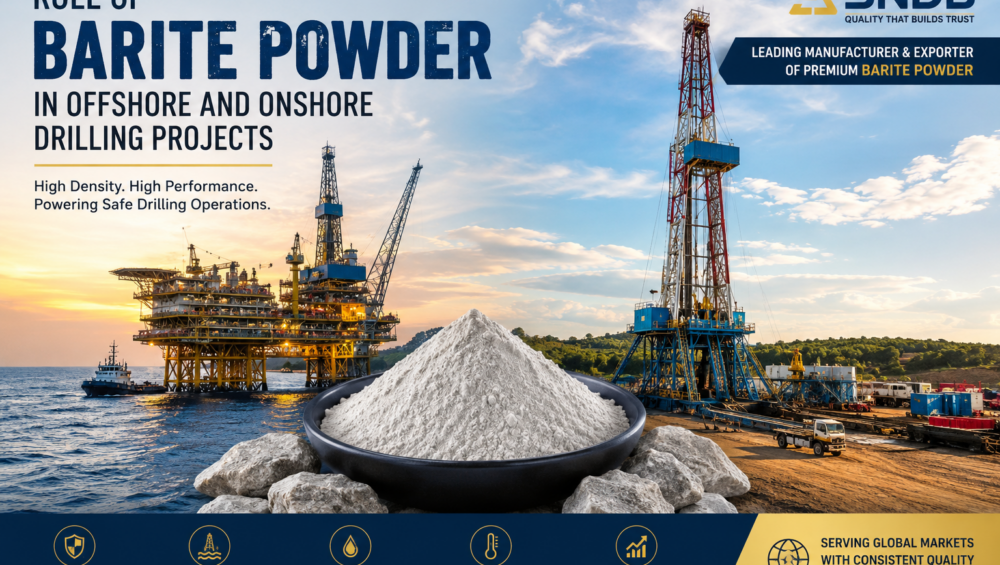
Barite powder plays a crucial role in the oil and gas industry, especially in offshore and onshore drilling operations. Known for its high specific gravity, chemical stability, and excellent performance in drilling fluids, barite is one of the most important minerals used to improve drilling efficiency and maintain well control.

As industrial demand continues to grow, SNDB has established itself as a trusted manufacturer and exporter of premium-quality barite powder, supplying products that meet the requirements of drilling companies and industrial buyers across domestic and international markets.

What is Barite Powder?

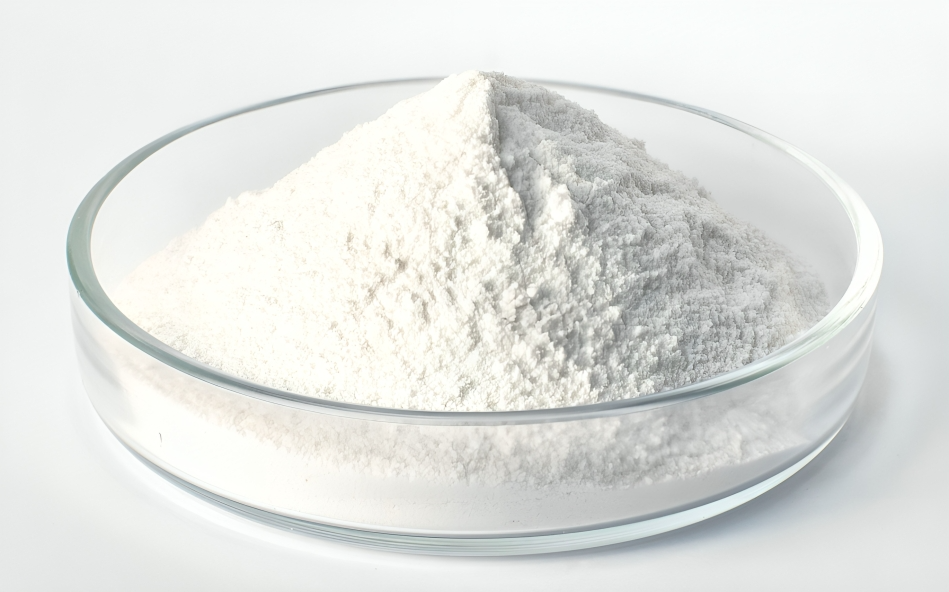
Barite powder is derived from the mineral barium sulfate (BaSO₄). It is widely used in drilling mud formulations because of its high density and non-reactive properties. The mineral helps control pressure during drilling operations and reduces the risk of blowouts.

Key properties of barite powder include:

  • High specific gravity
  • Chemical inertness
  • Low solubility in water
  • High density for mud weighting applications
  • Excellent compatibility with drilling fluids

These characteristics make barite powder an essential material in both offshore and onshore drilling environments.

Importance of Barite Powder in Offshore Drilling Projects

Offshore drilling projects involve complex environments where maintaining pressure balance and operational stability is critical. Barite powder is added to drilling fluids to increase density and support safe extraction processes.

1. Well Pressure Control

During offshore drilling, pressure management becomes essential due to deep-water conditions. Barite powder increases mud weight, helping operators maintain hydrostatic pressure and prevent uncontrolled fluid movement.

2. Prevention of Blowouts

High-pressure formations may cause dangerous blowouts if not properly managed. Barite-based drilling mud creates sufficient counterpressure, reducing operational risks and improving safety.

3. Improved Drilling Performance

Barite powder supports smooth circulation of drilling fluids, improves cuttings removal, and enhances drilling efficiency in challenging offshore environments.

4. Thermal and Chemical Stability

Offshore wells often encounter high temperatures and harsh conditions. Barite remains stable under extreme environments, making it ideal for long-duration drilling projects.


Role of Barite Powder in Onshore Drilling Operations

Onshore drilling projects also rely heavily on barite powder for maintaining drilling performance and cost efficiency.

Mud Density Enhancement

Barite increases the density of drilling fluids, helping maintain proper formation pressure and preventing fluid loss.

Better Borehole Stability

Stable drilling mud systems reduce the risk of borehole collapse and support smoother operations during exploration activities.

Reduced Equipment Wear

Barite helps improve lubrication characteristics in drilling systems, minimizing equipment stress and increasing operational lifespan.

Cost-Effective Performance

Compared with alternative weighting materials, barite offers excellent efficiency while maintaining economical project costs.


Applications of Barite Powder Beyond Drilling

Although drilling remains the largest application area, barite powder is also used in:

  • Paint and coating industries
  • Rubber and plastic manufacturing
  • Radiation shielding materials
  • Construction products
  • Chemical processing industries
  • Automotive components

Its versatility makes barite a valuable mineral across multiple industrial sectors.


Why Choose SNDB as Your Barite Powder Manufacturer and Exporter?

SNDB focuses on producing high-quality barite powder suitable for oilfield applications and industrial requirements.

Premium Quality Production

SNDB manufactures barite powder with strict quality control procedures to ensure consistency, purity, and performance.

Export-Ready Supply Chain

The company supports domestic and international clients with reliable logistics and timely deliveries.

Multiple Particle Sizes Available

SNDB supplies different mesh sizes and specifications based on customer requirements for drilling and industrial applications.

Industry Experience

With extensive expertise in mineral processing and exports, SNDB serves clients seeking dependable raw material solutions.

Customized Solutions

The company provides tailored products according to project demands, ensuring better operational performance.


Future Demand for Barite Powder in Drilling Industries

Global energy exploration activities continue to increase demand for drilling materials. Offshore oil fields, shale gas projects, and new exploration initiatives are expected to drive significant growth in barite consumption.

Manufacturers and exporters capable of maintaining quality standards and reliable supply chains will remain important partners for the oil and gas industry.

SNDB continues to strengthen its position by delivering high-grade barite powder designed for evolving industrial needs.

Barite powder remains one of the most essential materials in offshore and onshore drilling projects. From pressure control and borehole stability to improved drilling performance, its role is critical in ensuring safe and efficient operations.

As a leading manufacturer and exporter, SNDB supplies premium-quality barite powder for drilling applications and various industrial sectors. With a commitment to quality, consistency, and customer satisfaction, SNDB continues to support businesses across global markets.

SNDB: Best Global Barite Powder | High Purity & Superior QualityCategoriesBlogs

Barite Mining and Processing for Oil Industry Applications

SNDB Barite Powder Exporters – Consistent Quality, Global Reach

Barite is an important industrial mineral mainly used in the oil and gas industry as a weighting agent in drilling fluids. Due to its high specific gravity, chemical inertness, and low solubility, barite plays a crucial role in maintaining pressure control during drilling operations. The mining and processing of barite are therefore essential to support global energy production.

What is Barite?

Barite is a mineral composed of barium sulfate (BaSO₄). It is known for its high density, typically ranging from 4.2 to 4.5 g/cm³, which makes it suitable for use in drilling mud. Barite is usually found in sedimentary deposits and hydrothermal veins.

Barite Mining Methods

Baso4 is mined using both surface and underground mining methods, depending on the depth and type of deposit.

1. Surface Mining

Surface mining is the most common method and includes:

  • Open-pit mining
  • Quarrying
  • Strip mining

In this method, the overburden (soil and rock covering the deposit) is removed, and barite ore is extracted using heavy machinery such as excavators and loaders.

2. Underground Mining

Underground mining is used when barite deposits are deep below the surface. This method involves:

  • Shaft mining
  • Room and pillar mining

Although more expensive, underground mining is sometimes necessary for high-quality barite deposits.

Barite Processing

After mining, barite ore undergoes several processing steps to meet the specifications required for oil drilling applications.

1. Crushing

The mined barite is first crushed using jaw crushers and cone crushers to reduce the size of the ore.

2. Grinding

The crushed ore is then ground into fine powder using ball mills or roller mills. The oil industry requires barite powder with very fine particle size.

3. Beneficiation

Beneficiation improves the purity and density of barite. Common methods include:

  • Gravity separation
  • Flotation
  • Magnetic separation
  • Washing

These processes remove impurities such as silica, iron oxide, and clay.

4. Drying and Packaging

The processed barite is dried and packed into bags or bulk containers for transportation to oil drilling companies.

Barite in Oil Drilling

Barite is mainly used as a weighting agent in drilling mud. Its main functions include:

  • Controlling formation pressure
  • Preventing blowouts
  • Stabilizing the borehole
  • Cooling and lubricating the drill bit
  • Carrying drill cuttings to the surface

Without barite, drilling deep oil and gas wells would be extremely dangerous and inefficient.

Specifications for Oil Industry Barite

The oil industry has strict specifications for barite:

  • Specific gravity: Minimum 4.2
  • Low soluble salts
  • Fine particle size
  • High purity BaSO₄
  • Low abrasive materials

These specifications ensure safe and efficient drilling operations.

Environmental Considerations

Barite mining can have environmental impacts such as land degradation, water pollution, and dust generation. Proper environmental management practices include:

  • Land reclamation
  • Waste management
  • Water treatment
  • Dust control systems

Sustainable mining practices are important to reduce environmental damage.

Barite mining and processing are essential to the oil and gas industry. From extraction to beneficiation and final use in drilling fluids, barite plays a critical role in safe and efficient drilling operations. With increasing global energy demand, the importance of barite will continue to grow, making it a valuable mineral resource worldwide.

sndb | Sustainable Manufacturing: Recycling and Alternative Materials to Reduce Barite DemandCategoriesBlogs

SNDB | Sustainable Manufacturing: Recycling and Alternative Materials to Reduce Barite Demand

sndb | Sustainable Manufacturing: Recycling and Alternative Materials to Reduce Barite Demand

Barite (barium sulfate, BaSO₄) is a high-density mineral widely used in drilling fluids, paints, plastics, rubber, medical imaging, and radiation shielding. While it plays a crucial role in industries such as oil and gas, growing environmental concerns and resource depletion have increased interest in sustainable manufacturing practices. Recycling and the development of alternative materials are emerging as effective strategies to reduce global dependence on barite while maintaining industrial performance standards.

Why Reducing Barite Demand Matters

Barite mining involves land disturbance, energy consumption, and waste generation. Major producing countries such as China, India, and the United States supply a significant portion of global demand, particularly for the oil and gas sector. As drilling activities expand, pressure on natural barite reserves increases.

Reducing demand through recycling and material substitution can:

  • Lower environmental impact
  • Reduce mining waste
  • Decrease carbon emissions
  • Improve supply chain stability
  • Support circular economy initiatives

Recycling Strategies to Reduce Barite Use

1. Recycling of Drilling Fluids

In the oil and gas industry, barite is primarily used to increase the density of drilling mud. Instead of disposing of used drilling fluids, companies are now:

  • Recovering barite through gravity separation systems
  • Reconditioning drilling mud for reuse
  • Filtering contaminants for material recovery

Modern solid-control equipment allows up to 70–80% of barite to be reclaimed from drilling operations, significantly reducing fresh material requirements.

2. Industrial Waste Recovery

Barite-containing waste from:

  • Paint manufacturing
  • Plastic production
  • Rubber compounding

can be processed and reintroduced into manufacturing streams. Advanced filtration and particle separation technologies help maintain quality standards while reducing raw mineral consumption.

3. Closed-Loop Manufacturing Systems

Sustainable manufacturers are implementing closed-loop systems where production waste is collected, processed, and reused internally. This reduces both material costs and environmental liabilities.

Alternative Materials to Barite

Although barite is valued for its high specific gravity and chemical stability, several alternative materials can partially replace it in various applications.

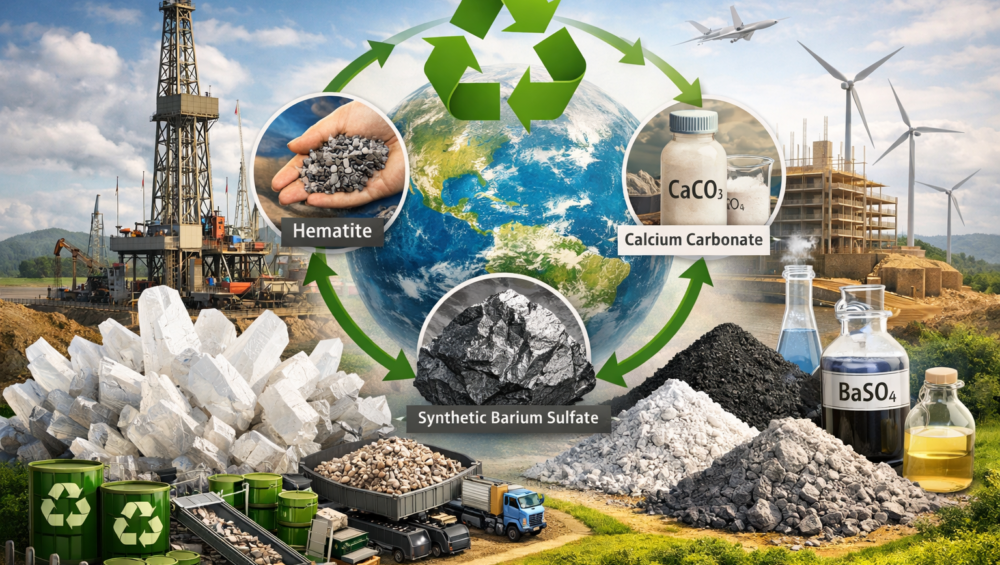
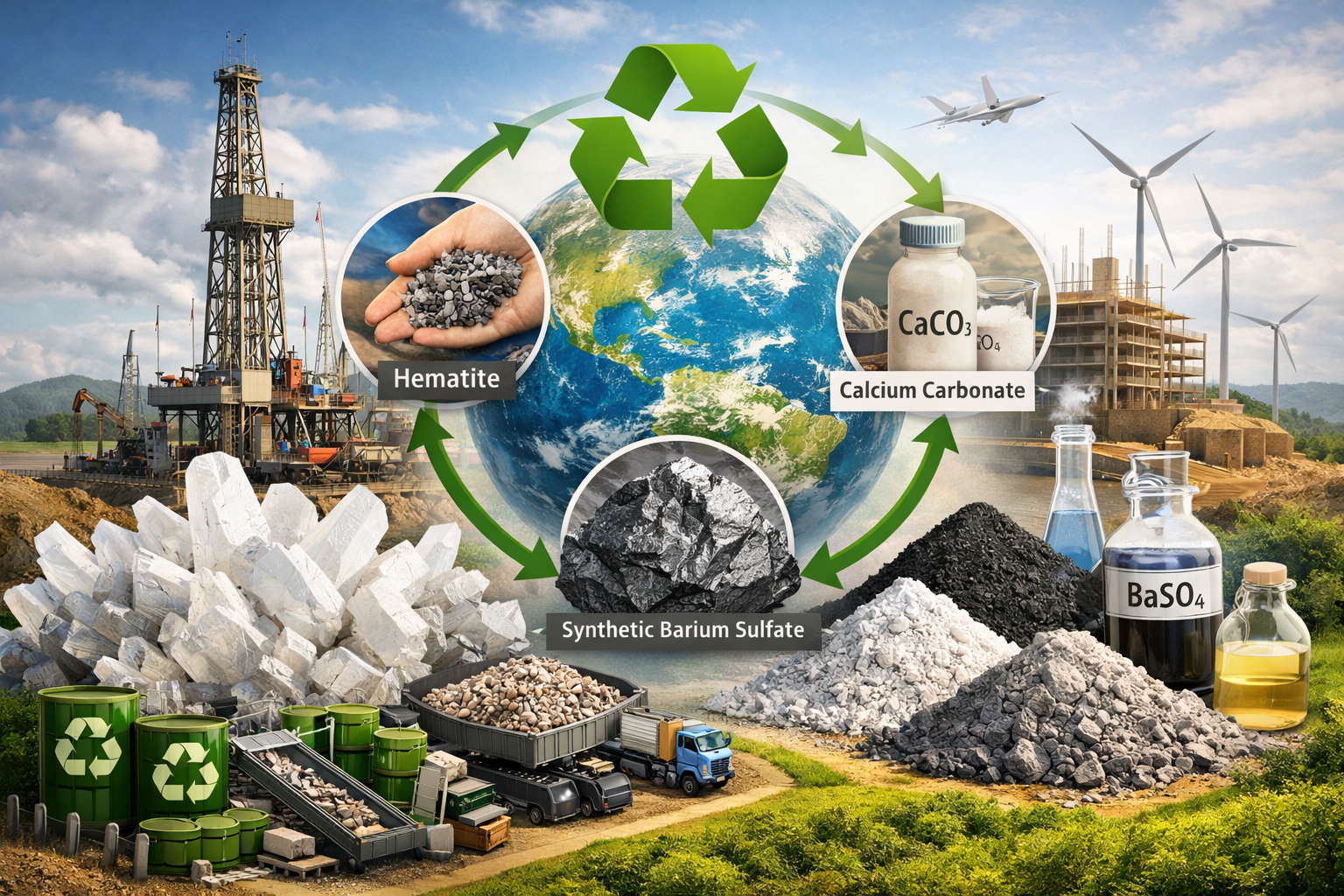
1. Hematite

Hematite (Fe₂O₃) is used as a weighting material in drilling fluids. It offers high density and magnetic properties that allow easier separation and recycling compared to barite.

2. Calcium Carbonate

In paints and plastics, calcium carbonate can substitute barite as a filler material. While lighter in density, it is cost-effective and widely available.

3. Ilmenite

Ilmenite (FeTiO₃) is sometimes used in specialized drilling operations requiring higher density materials.

4. Synthetic Barium Sulfate

Laboratory-produced barium sulfate can serve industries that require extremely pure material, such as medical imaging. Synthetic production reduces reliance on mined barite, though it involves additional processing costs.

Sustainable Manufacturing Best Practices

To successfully reduce barite demand, manufacturers can adopt the following strategies:

  • Conduct material efficiency audits
  • Invest in recovery technologies
  • Optimize formulation designs to reduce filler usage
  • Implement lifecycle assessment (LCA) tools
  • Collaborate with suppliers for responsible sourcing

Industries adopting eco-design principles are better positioned to meet environmental regulations and sustainability targets.

Economic and Environmental Benefits

Reducing barite dependency offers measurable advantages:

  • Lower raw material procurement costs
  • Reduced waste disposal expenses
  • Improved ESG (Environmental, Social, Governance) performance
  • Enhanced brand reputation
  • Increased long-term resource security

As global industries move toward sustainable development goals, responsible mineral consumption is becoming a competitive advantage rather than merely a compliance requirement.

Technological innovation will continue to drive improvements in recycling efficiency and alternative material performance. With growing environmental awareness and stricter regulations worldwide, sustainable manufacturing practices are expected to become standard across mining-dependent industries.

sndb | best barite supplierCategoriesBlogs

How Leading Barite Manufacturers Maintain Quality and Consistency

Particularly for the oil and gas drilling sector, barite is an essential industrial mineral. Its usage as a weighing component in drilling fluids means that uniformity and quality cannot be compromised. Prominent barite producers adhere to stringent procedures and global standards to guarantee that their goods satisfy consumer and legal demands across the globe.

1. High-Quality Raw Material Selection

Top barite manufacturers begin with carefully selected barite ore. They operate or source from mines with:

  • High barium sulfate (BaSO₄) content
  • Low levels of impurities such as silica, iron, and heavy metals
  • Stable and consistent ore deposits

This ensures uniform quality from the very first stage.

2. Advanced Processing and Grinding Technology

Leading manufacturers invest in modern crushing, grinding, and beneficiation equipment. These technologies help achieve:

  • Precise particle size distribution
  • Consistent specific gravity (typically 4.1–4.2 for API grade)
  • Improved purity and performance

Automated systems reduce human error and maintain batch-to-batch consistency.

3. Strict Quality Control and Testing

Quality control is a key differentiator for top barite producers. Regular testing is conducted at multiple stages, including:

  • Chemical composition analysis
  • Specific gravity testing
  • Moisture content checks
  • Particle size verification

Many manufacturers maintain in-house laboratories to ensure fast and accurate results.

4. Compliance with International Standards

Reputable barite manufacturers comply with global standards such as:

  • API (American Petroleum Institute) specifications
  • ISO quality management systems
  • Customer-specific technical requirements

Compliance ensures that barite performs reliably in demanding drilling environments.

5. Consistent Production and Supply Chain Management

Maintaining consistency also depends on reliable supply chains. Leading manufacturers focus on:

  • Stable mining operations
  • Efficient logistics and storage systems
  • Long-term supplier and shipping partnerships

This allows them to deliver uniform quality products on time, even for large export orders.

6. Skilled Workforce and Continuous Improvement

Experienced engineers, quality inspectors, and production teams play a vital role. Top manufacturers:

  • Train staff regularly
  • Update production methods
  • Adopt continuous improvement practices

This helps maintain high standards while adapting to changing market needs.

7. Customer Feedback and Customization

Leading barite suppliers actively work with customers to:

  • Adjust specifications when needed
  • Improve packaging and delivery methods
  • Address performance feedback from drilling sites

This customer-focused approach strengthens long-term relationships and trust.

Prominent barite producers use sophisticated processing, stringent quality control, careful raw material selection, and adherence to international standards to preserve quality and consistency. They are valued partners for industries all over the world, particularly oil and gas drilling operations, because of their dedication to dependable production and client satisfaction.

sndb best barite suppier and exporter in india

SNDB: Leading Barite Manufacturer, Supplier & Exporter Delivering Quality Minerals WorldwideCategoriesBlogs

SNDB: Leading Barite Manufacturer, Supplier & Exporter Delivering Quality Minerals Worldwide

SNDB: Leading Barite Manufacturer, Supplier & Exporter Delivering Quality Minerals Worldwide

Barite, commonly known as barium sulphate, is a highly needed industrial mineral used in drilling, paints, plastics, rubber, chemicals, and numerous specialized uses. As a top producer, supplier, and exporter of premium barite, SNDB has become a reputable brand in the international mining sector.

SNDB produces barite that satisfies industry requirements and worldwide standards thanks to its sophisticated manufacturing capabilities, stringent quality control, and customer-focused philosophy.

High-Quality Barite Production

Premium-grade barite with constant purity, particle size, and density is SNDB’s area of expertise. The business purchases raw materials from reputable mining sites and uses cutting-edge technology to process them in order to guarantee:

  • High specific gravity
  • Low silica content
  • Excellent whiteness
  • Eco-friendly formulation
  • Superior performance in industrial applications

This makes SNDB barite suitable for high-performance use across different sectors.

Applications of SNDB Barite

SNDB supplies barite used in diverse industries such as:

1. Oil & Gas Drilling

Used as a weighting agent in drilling mud to control pressure and prevent blowouts.

2. Paints & Coatings

Enhances brightness, thickness, and durability in surface coatings.

3. Rubber & Plastics

Improves strength, chemical resistance and finish in industrial and automotive products.

4. Chemicals

A key ingredient in barium-based chemicals and industrial formulations.

5. Medical & Radiation Shielding

Used to produce radiation-protective panels and medical devices.

Global Supplier & Exporter

As a reliable exporter, SNDB serves customers in Asia, Middle East, Africa, and Europe, offering:

  • Consistent supply volumes
  • International quality compliance
  • Customized packaging
  • Fast and secure shipping

SNDB ensures complete supply chain transparency from production to delivery.

Why Choose SNDB?

SNDB stands out as a trusted industry leader due to:

  • Advanced manufacturing facilities
  • Skilled workforce and R&D support
  • Competitive and flexible pricing
  • Timely delivery network
  • Commitment to customer satisfaction

Its long-term partnerships reflect the company’s credibility and focus on performance.

Sustainability and Quality Commitment

SNDB upholds high environmental and industrial safety standards in mining, processing, and packaging. Each batch of barite undergoes rigorous checks to ensure optimal product quality and safety.

SNDB’s remain a leading producer, supplier, and exporter of barite because of its dedication to innovation, dependability, and worldwide service. The organization is a reliable partner for industries all around the world because of its commitment to quality, customer satisfaction, and sustainable practices.