Barite: The Heavy Mineral Powering Modern IndustriesCategoriesBlogs

Barite: The Heavy Mineral Powering Modern Industries

Barite: The Heavy Mineral Powering Modern Industries

Barite, chemically known as barium sulfate (BaSO₄), is a naturally occurring mineral recognized for its high density and wide range of industrial applications. Often overlooked by the general public, barite plays a crucial role in several key industries, particularly in oil and gas, construction, and manufacturing. Its unique physical and chemical properties make it an indispensable resource in the modern industrial world.

Properties and Characteristics

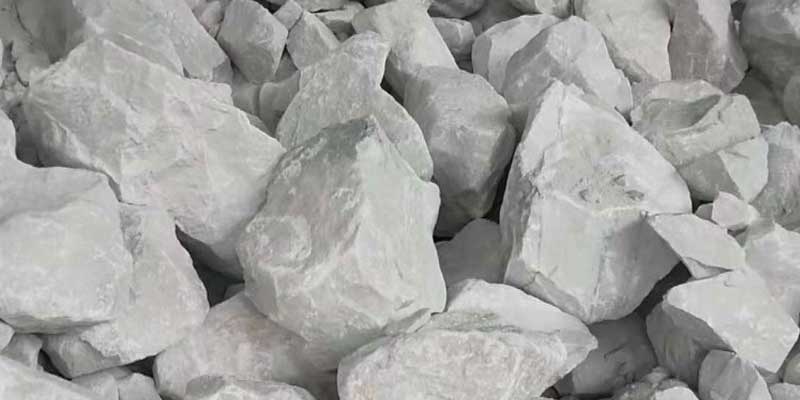
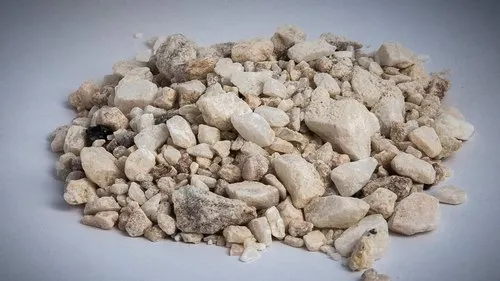
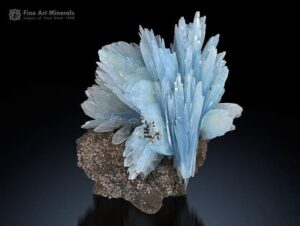
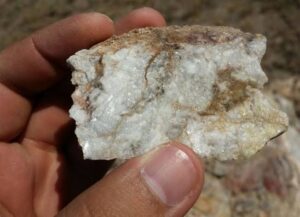
Barite is distinguished by its remarkable weight, which is why its name is derived from the Greek word “barys,” meaning heavy. It typically appears in colors such as white, gray, blue, or brown, and has a high specific gravity compared to most non-metallic minerals. This density, combined with its chemical inertness, low solubility, and ability to absorb radiation, makes barite highly valuable for specialized industrial uses.

Formation and Occurrence

Barite is commonly found in sedimentary rocks and hydrothermal veins. It often occurs alongside minerals like calcite, quartz, and fluorite. Major deposits are located in countries such as India, China, the United States, and Morocco. In India, significant reserves are found in states like Andhra Pradesh, contributing to the country’s role as a major producer and exporter.

Industrial Applications

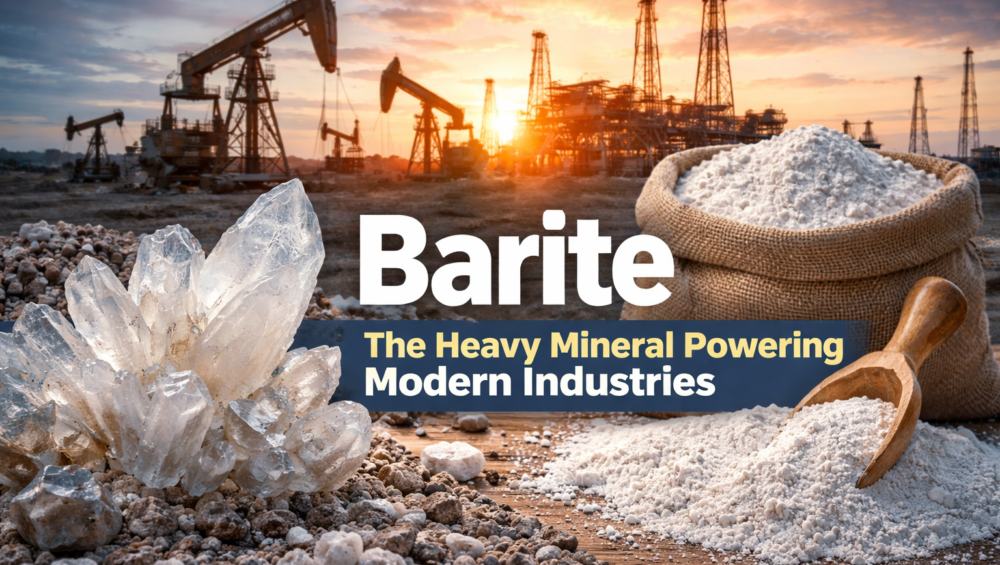
The most significant use of barite is in the oil and gas industry. It is a key component in drilling fluids, also known as drilling muds. Due to its high density, barite helps control pressure in oil wells, preventing blowouts and ensuring safe drilling operations. This single application accounts for the majority of global barite consumption.

Beyond oil drilling, barite is used in the production of paints, plastics, and rubber. It acts as a filler and extender, improving durability and resistance. In the medical field, barite is used in radiology as a contrast agent for X-ray imaging of the digestive system, thanks to its ability to block radiation.

Barite is also utilized in the construction industry, particularly in making high-density concrete used for radiation shielding in hospitals, laboratories, and nuclear facilities. Additionally, it finds use in glassmaking and as a weighting agent in various industrial processes.

Economic Importance

Barite is a vital mineral in the global economy, especially due to its connection with the energy sector. The demand for oil and gas directly influences the demand for barite. As developing countries expand their industrial activities, the need for barite continues to grow. Its relatively low cost and high efficiency make it a preferred material across multiple industries.

Environmental Considerations

While barite itself is non-toxic and environmentally stable, its mining and processing can have environmental impacts. Land degradation, water pollution, and habitat disruption are some of the concerns associated with barite extraction. Therefore, sustainable mining practices and proper environmental management are essential to minimize these effects.

Barite may not be widely recognized outside industrial circles, but its importance cannot be overstated. From enabling safe oil drilling to supporting medical diagnostics and construction, barite is a cornerstone of modern industry. As global demand for energy and infrastructure continues to rise, this “heavy mineral” will remain a powerful force driving industrial progress.

By partnering with an experienced and reputable SNDB barite manufacturer, businesses can ensure stable operations, improve productivity, and achieve long-term growth in competitive industrial markets.
Top Benefits of Baryte Powder: Why SNDB Is the Leading Manufacturer, Supplier & ExporterCategoriesBlogs

SNDB Best Manufacturer | Crystal Structure and Physical Properties of Baryte (BaSO₄)

baryte

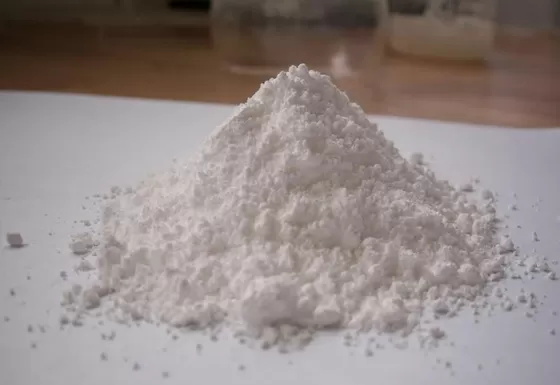
Baryte (also spelled barite) is a naturally occurring mineral composed of barium sulfate (BaSO₄). It is widely recognized for its high density, chemical stability, and diverse industrial applications. Because of these characteristics, baryte has become an essential raw material in industries such as oil and gas drilling, paints, plastics, rubber, and radiation shielding. Manufacturers like SNDB are known for producing high-quality processed baryte used in various industrial sectors.

Baryte

Baryte derives its name from the Greek word “barys,” meaning heavy, which reflects its most distinctive feature—its high specific gravity compared to other non-metallic minerals. It typically appears in white, colorless, or pale shades, though impurities can give it yellow, brown, blue, or gray hues.

Baryte is commonly found in sedimentary, hydrothermal, and residual deposits. Major producing countries include China, India, Morocco, and the United States.

Crystal Structure of Baryte

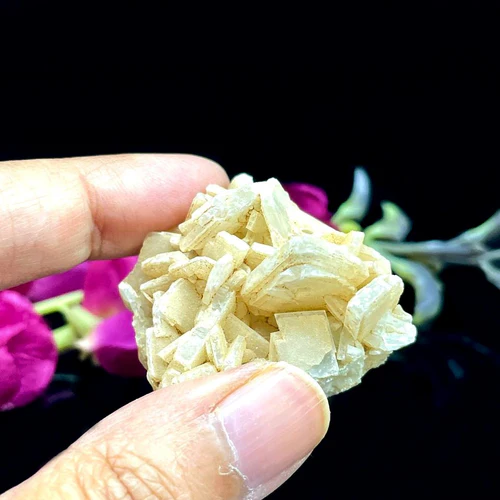
Baryte crystallizes in the orthorhombic crystal system, where the crystal lattice consists of three mutually perpendicular axes of unequal length. The mineral structure is composed of barium ions (Ba²⁺) and sulfate groups (SO₄²⁻) arranged in a stable lattice.

Key structural characteristics include:

  • Crystal system: Orthorhombic
  • Crystal habit: Tabular, prismatic, or plate-like crystals
  • Cleavage: Perfect cleavage in one direction and good cleavage in two others
  • Transparency: Transparent to translucent

The strong ionic bonding between barium and sulfate ions gives baryte its remarkable stability and resistance to chemical reactions, making it useful in harsh industrial environments.

Physical Properties of Baryte

Baryte exhibits several important physical properties that make it valuable in industrial applications.

1. High Density
One of baryte’s most notable characteristics is its high specific gravity (about 4.2–4.5). This property makes it ideal for use in drilling fluids where weight is needed to control well pressure.

2. Hardness
On the Mohs hardness scale, baryte has a hardness of 3 to 3.5, meaning it is relatively soft and can be easily ground into fine powder for industrial uses.

3. Color and Appearance
Baryte is usually white or colorless, but impurities may produce various colors such as yellow, blue, gray, or brown.

4. Chemical Stability
Baryte is insoluble in water and chemically inert, which makes it safe and stable for applications in paints, plastics, and medical uses.

5. Non-magnetic and Non-conductive
The mineral does not conduct electricity and is not magnetic, adding to its usefulness in specialized industrial environments.

Industrial Applications

Due to its unique physical and chemical properties, baryte is widely used across multiple industries:

  • Oil and Gas Drilling: Used as a weighting agent in drilling mud to control underground pressure.
  • Paints and Coatings: Improves brightness, durability, and chemical resistance.
  • Plastics and Rubber: Acts as a filler to enhance strength and density.
  • Radiation Shielding: Used in medical and nuclear facilities due to its high density.
  • Glass and Ceramics: Improves clarity and stability.

High-purity baryte supplied by manufacturers such as SNDB ensures consistent quality and performance in these demanding applications.

Baryte (BaSO₄) is a unique mineral distinguished by its orthorhombic crystal structure, high density, and chemical stability. These physical properties make it indispensable in several modern industries, especially oil and gas drilling and manufacturing. As global demand for high-quality industrial minerals continues to grow, reliable producers like SNDB play a crucial role in supplying refined baryte that meets strict industrial standards.

BARITE lumpsCategoriesBlogs

The Role of Barite in High-Density Industrial Applications | SNDB – Best Manufacturer

Top Barite Lumps Exporter in India – SNDB Best Manufacturer and Supplier

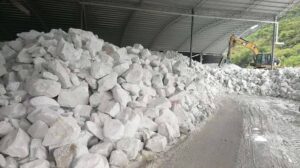
Barium sulfate (BaSO4) is the main component of the naturally occurring mineral barite, often called baryte. It is one among the heaviest non-metallic minerals utilized in industry and is highly prized for its extraordinarily high density. Barite is essential in many high-density industrial applications where weight, stability, and chemical inertness are crucial because to this special quality. SNDB stands out as a trusted and leading manufacturer of high-quality barite products, supplying industries worldwide with consistent and reliable material.

Key Properties That Make Barite Essential

Barite’s industrial significance comes from its distinct physical and chemical properties:

  • High specific gravity (typically 4.2 or higher), ideal for weighting applications
  • Chemical inertness, ensuring stability in harsh environments
  • Non-toxic nature, making it safe for industrial handling
  • High radiation absorption, useful in shielding applications

These characteristics allow barite to perform reliably across demanding industrial sectors.

Major High-Density Industrial Applications of Barite

1. Oil and Gas Drilling

The largest use of barite is as a weighting agent in drilling fluids. High-density drilling muds help:

  • Control underground pressure
  • Prevent well blowouts
  • Stabilize the borehole
  • Improve removal of drill cuttings

SNDB supplies API-grade barite that meets strict industry specifications for density, purity, and particle size, ensuring efficient and safe drilling operations.

2. Paints, Coatings, and Industrial Fillers

In paints and coatings, barite is used as a filler to:

  • Improve opacity and brightness
  • Enhance durability and corrosion resistance
  • Increase coating weight and thickness

SNDB’s finely processed barite powder is ideal for high-performance coatings used in industrial and protective applications.


3. Plastics, Rubber, and Composites

Barite is widely used as a filler in plastics and rubber products to:

  • Increase product density
  • Improve mechanical strength
  • Enhance sound-dampening properties
  • Improve dimensional stability

SNDB provides barite in controlled mesh sizes suitable for polymer and rubber manufacturing.

4. Radiation Shielding and Heavy Concrete

Due to its high density and radiation-blocking capability, barite is used in:

  • Radiation shielding concrete
  • Hospitals and diagnostic imaging rooms
  • Nuclear power facilities and laboratories

Barite-based concrete offers an effective and environmentally safer alternative to lead-based shielding materials. SNDB’s barite is well suited for these specialized applications.

5. Other Industrial Uses

Additional applications of barite include:

  • Chemical manufacturing of barium compounds
  • Paper and textile industries as a weighted filler
  • Automotive components such as brake pads and friction materials

Why SNDB Is the Preferred Barite Manufacturer

SNDB is recognized as one of the best barite manufacturers due to its commitment to quality and consistency. Key advantages include:

  • High-purity barite products
  • Compliance with international and API standards
  • Consistent particle size and density control
  • Reliable supply for domestic and global markets
  • Customized grades for specific industrial needs

Barite is an indispensable mineral in high-density industrial applications, from oil and gas drilling to radiation shielding and advanced manufacturing. Its unmatched density, stability, and versatility make it a critical raw material for modern industry.

With its focus on quality, precision, and customer satisfaction, SNDB continues to lead as a trusted barite manufacturer, supplying industries with dependable solutions for demanding applications.

SNDB: Leading Global Barite Exporter | Premium Barite Supplier from NigeriaCategoriesBlogs

Barite: A Critical Mineral for Drilling Fluids and More | SNDB Best Supplier and Exporter

SNDB: Leading Barite Exporter | Trusted Global Supplier of High-Quality Barite

Because of its special qualities, barium sulfate, or barite (BaSO₄), is an essential mineral that is used in many different sectors. The oil and gas sector is one of the most important applications for barite, which is mostly utilized in drilling fluids (drilling mud) to regulate pressure, stop blowouts, and guarantee safe drilling operations. BaSO₄ has a variety of uses outside drilling fluids, such as in the manufacturing of paints, polymers, medications, and even radiation shielding materials. Being among the top producers, distributors, and exporters of barite in India, SNDB guarantees the best barite products to satisfy the unique requirements of industries both locally and abroad.

Barite

The mineral barium sulfate (BaSO₄) makes up the naturally occurring mineral barite. Usually found in sedimentary rocks, it is highly dense and chemically inert, which makes it perfect for a variety of industrial uses. Depending on the impurities present, BaSO₄ can be colorless, white, or even various hues of yellow, blue, or red.

Applications of Barite:

Drilling Fluids

A crucial component of drilling mud, Baso₄ regulates pressure and ensures safety in the oil and gas industry.

Paints and Coatings:

use as a pigment to enhance paints‘ durability and opacity.

Plastics and Rubber :

improves production performance and density.

Radiation Shielding:

Because of its great density, it provides protection from dangerous radiation.

Pharmaceuticals:

used for X-ray imaging as a contrast agent.

Why Choose SNDB?

High Quality:

We offer superior BaSO₄ that consistently performs well and is pure.

Customized Solutions:

customized to satisfy particular industrial standards.

Reliable Supply:

prompt shipping, both inside the country and beyond.

Competitive Pricing:

supplying premium BaSO₄ at affordable costs.