Barite is an important industrial mineral widely used in the oil and gas industry, especially in drilling fluids. It is also used in several other industrial applications where high-density materials are required. Because of its importance, businesses in Nigeria need a reliable barite supplier who can provide consistent quality, suitable grades, competitive pricing, and dependable delivery.
For companies looking for a trusted source, choosing the right barite supplier in Nigeria is an important business decision. SNDB, a manufacturer and exporter from India, provides quality barite products for industrial and international requirements.
What Is Barite?
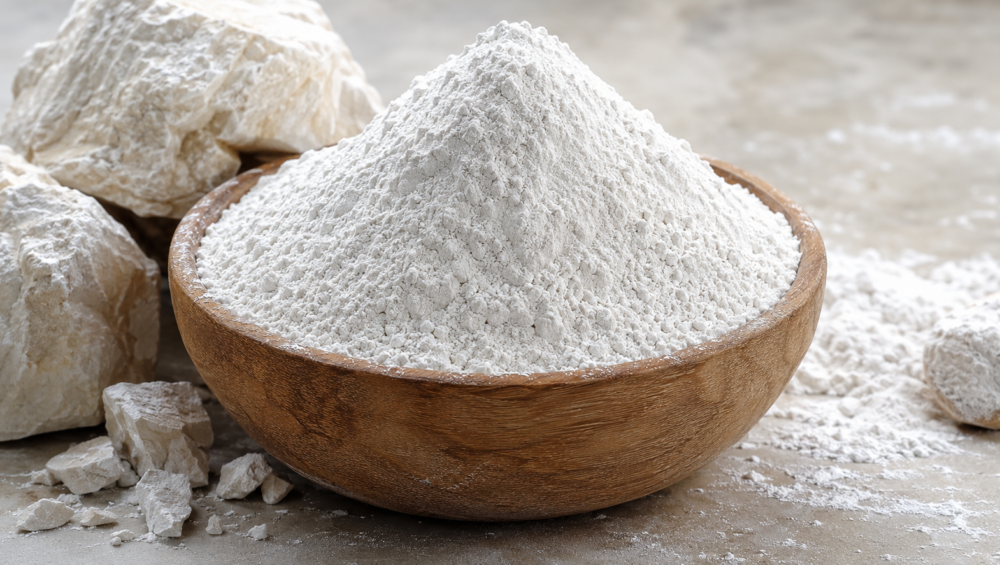
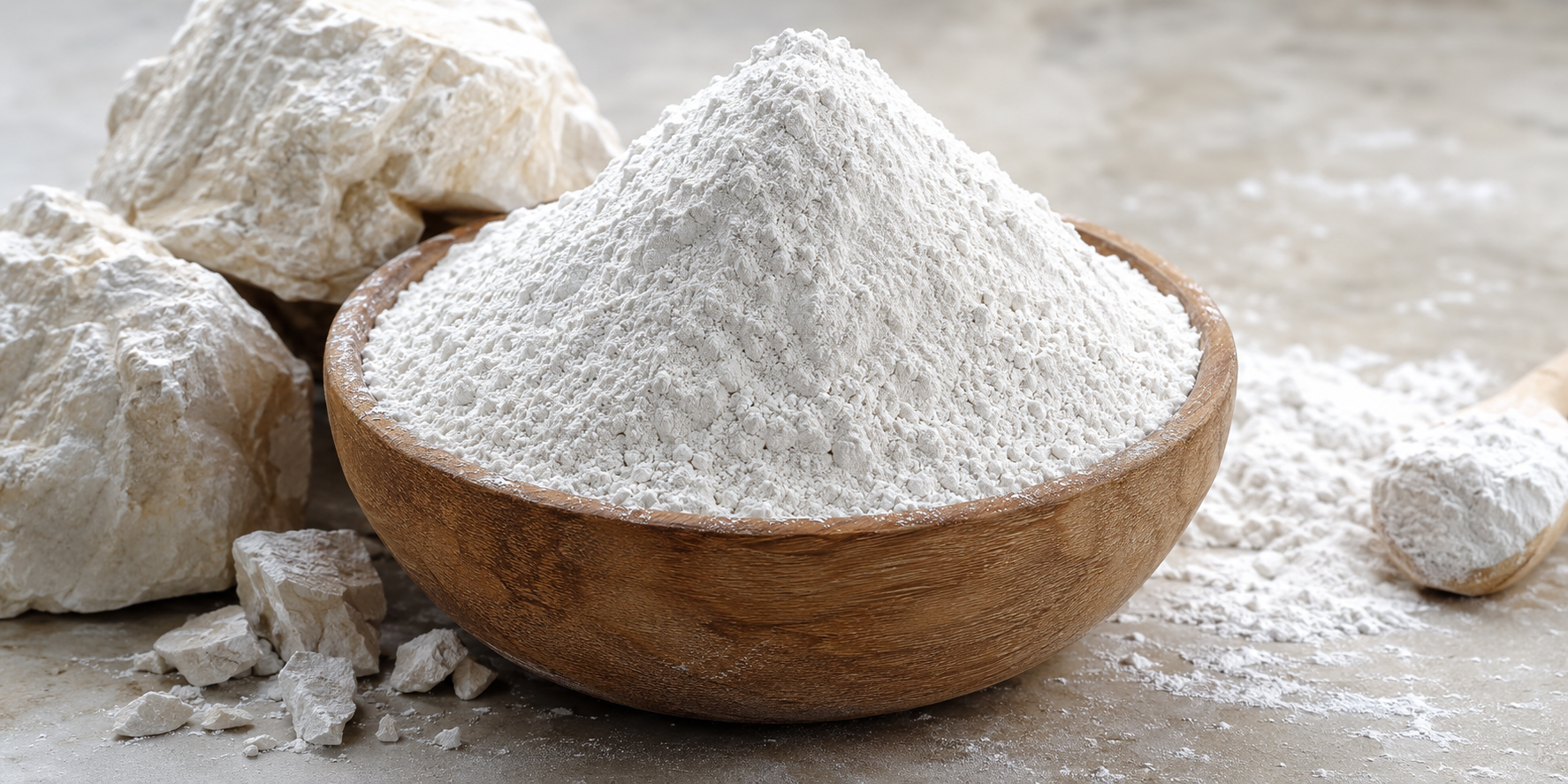
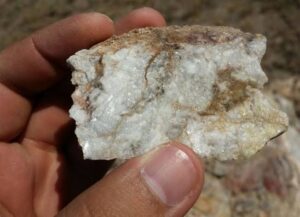
Barite, also known as barium sulphate, is a naturally occurring mineral known for its high specific gravity and chemical stability. Its high density makes it particularly useful in drilling operations.
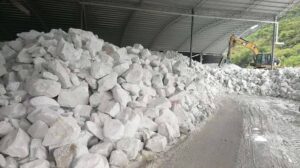
Barite is commonly processed into different forms and grades according to the requirements of various industries. The required specifications can vary depending on the application, making product quality and consistency important when selecting a supplier.
Why Is Barite Important for the Oil & Gas Industry?
One of the major applications of barite is in drilling fluids. During oil and gas drilling, drilling mud needs to maintain the required density and pressure control.
Barite helps increase the density of drilling fluids and supports efficient drilling operations. Because drilling projects can have demanding technical requirements, buyers generally look for barite with consistent physical and chemical properties.
For Nigerian oil and gas businesses, working with an experienced barite supplier in Nigeria can help ensure a dependable supply for ongoing industrial requirements.
How to Choose a Reliable Barite Supplier in Nigeria
1. Check Product Quality
Quality should be one of the first factors to consider when selecting a barite supplier. Buyers should check important specifications such as purity, specific gravity, particle size, moisture content, and other application-specific requirements.
A reliable supplier should be able to provide product information and technical specifications so buyers can confirm whether the material meets their requirements.
2. Look for Consistent Product Specifications
Consistency is important for industrial applications. A supplier should be capable of providing barite with consistent specifications across different orders.
For businesses purchasing barite regularly, inconsistent quality can create operational challenges. Therefore, it is useful to choose a manufacturer and exporter with established production and quality-control processes.
3. Consider Available Barite Grades
Different industries and applications may require different grades of barite. Before placing an order, buyers should discuss their specific requirements with the supplier.
A professional barite manufacturer in India should be able to provide information about available grades, specifications, packaging, and suitable applications.
4. Check Manufacturing Capabilities
Choosing a manufacturer directly can provide advantages in terms of product control, technical support, and supply planning.
SNDB supplies industrial minerals and chemicals for international markets. Buyers can discuss their required barite specifications, quantity, packaging, and delivery requirements before confirming an order.
5. Evaluate Export Experience
For Nigerian buyers sourcing barite from India, export experience is another important consideration. International shipments require proper documentation, packaging, logistics coordination, and communication between the supplier and buyer.
An experienced barite exporter from India can help make the international procurement process more organized and efficient.
6. Compare Packaging Options
Barite may need to be packaged according to the buyer’s application, storage conditions, transportation requirements, and quantity.
Before ordering, businesses should confirm the available packaging options with their supplier. Proper packaging can help protect the material during transportation and storage.
7. Consider Supply Capacity
Large industrial projects may require significant quantities of barite. Therefore, buyers should evaluate whether a supplier can manage both regular and bulk requirements.
A supplier with suitable production and supply capabilities can be a useful long-term partner for businesses that require recurring shipments.
8. Check Technical Support
A reliable supplier should understand the product and its industrial applications. Technical information can help buyers select the appropriate material for their requirements.
Before purchasing, businesses can ask about product specifications, grades, applications, packaging, and documentation.
Why Source Barite from India?
India has an established mineral and chemical manufacturing sector and supplies a wide range of industrial materials to international markets.
For Nigerian businesses, sourcing barite from an Indian manufacturer can provide access to different product specifications and export supply options. However, buyers should always evaluate the supplier based on quality, specifications, production capabilities, documentation, pricing, and delivery requirements.
Why Choose SNDB for Barite Supply?
SNDB focuses on supplying industrial products to customers in domestic and international markets. Its barite offering is suitable for buyers looking for a dependable source from India.
When choosing SNDB, businesses can discuss their specific requirements, including:
- Barite product specifications
- Required grade and quality
- Bulk quantity requirements
- Packaging preferences
- Export requirements
- Delivery destination
- Technical documentation
This allows the supplier and buyer to understand the exact requirements before finalizing an order.
Barite Applications
Barite is used in several industries and applications, including:
- Oil and gas drilling
- Drilling fluid formulation
- Industrial applications
- High-density material applications
- Mineral-based manufacturing processes
The exact suitability of barite depends on its specifications and the requirements of the end application.
Things to Ask Before Ordering Barite
Before selecting a supplier, Nigerian buyers should ask a few important questions:
- What barite grades are available?
- What are the product specifications?
- What is the available supply quantity?
- What packaging options are available?
- Can the supplier provide technical documents?
- Does the supplier handle international exports?
- What are the expected delivery timelines?
- Can the supplier support regular or bulk orders?
Getting clear answers to these questions can make the purchasing process easier and help businesses select a supplier according to their requirements.
Choosing a reliable barite supplier in Nigeria requires careful consideration of product quality, specifications, grades, manufacturing capabilities, export experience, packaging, supply capacity, and technical support.
For businesses looking to source barite internationally, an experienced barite manufacturer and exporter from India can provide a dependable supply option. SNDB offers barite products for industrial requirements and can work with buyers to understand their specifications and supply needs.
If your business is looking for a barite supplier in Nigeria or wants to source quality barite from India, SNDB can be considered for your industrial mineral requirements.