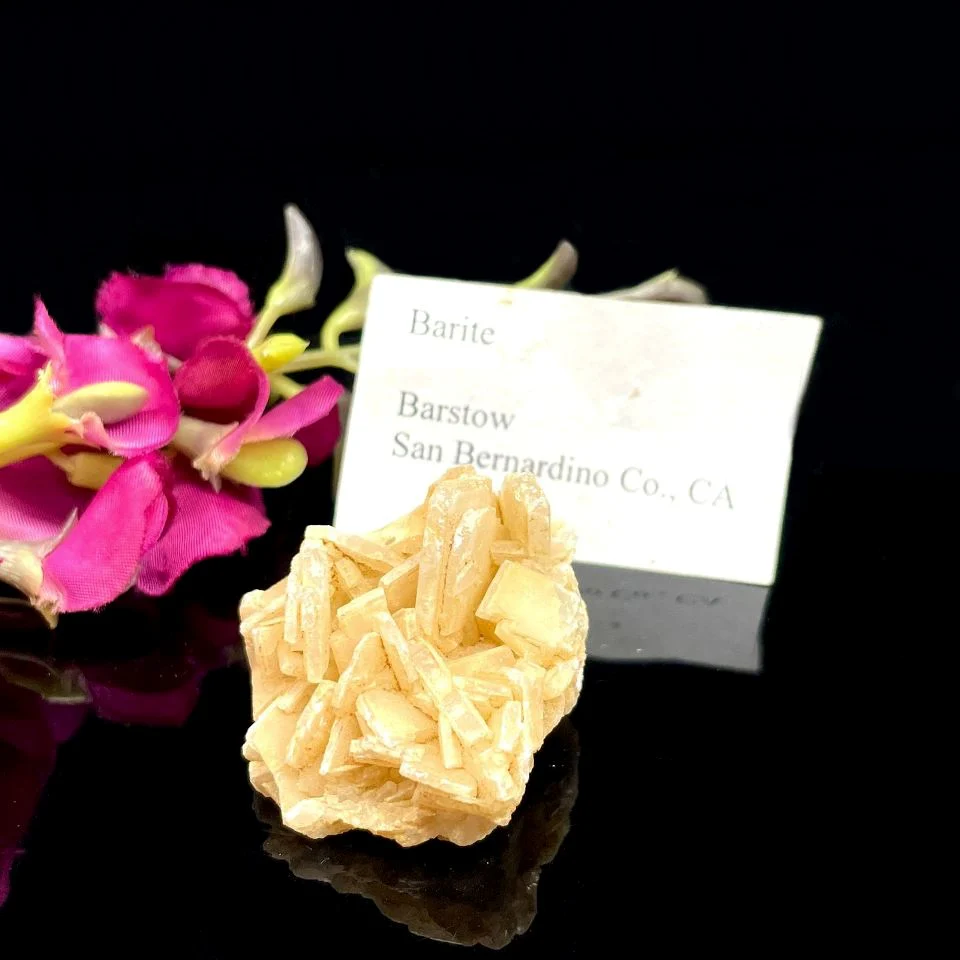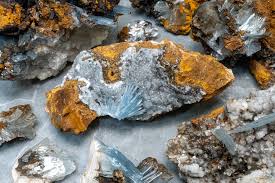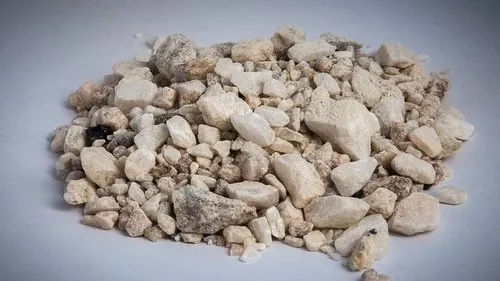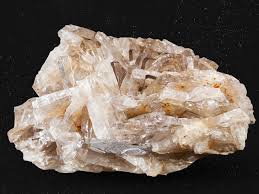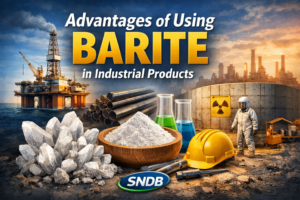
Barite (also called baryte) is one of the most important industrial minerals in the world. Known for its high specific gravity, chemical inertness, and wide range of applications, barite plays a critical role in industries such as oil & gas, construction, healthcare, and manufacturing.
This comprehensive guide covers everything you need to know about barite — including its uses, benefits, pricing factors, and frequently asked questions.
What Is Barite?
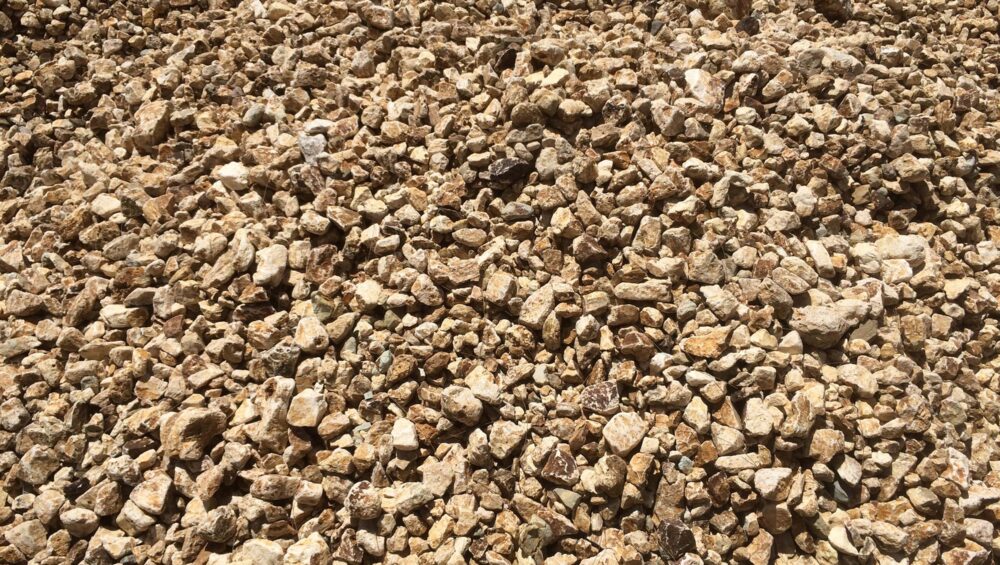
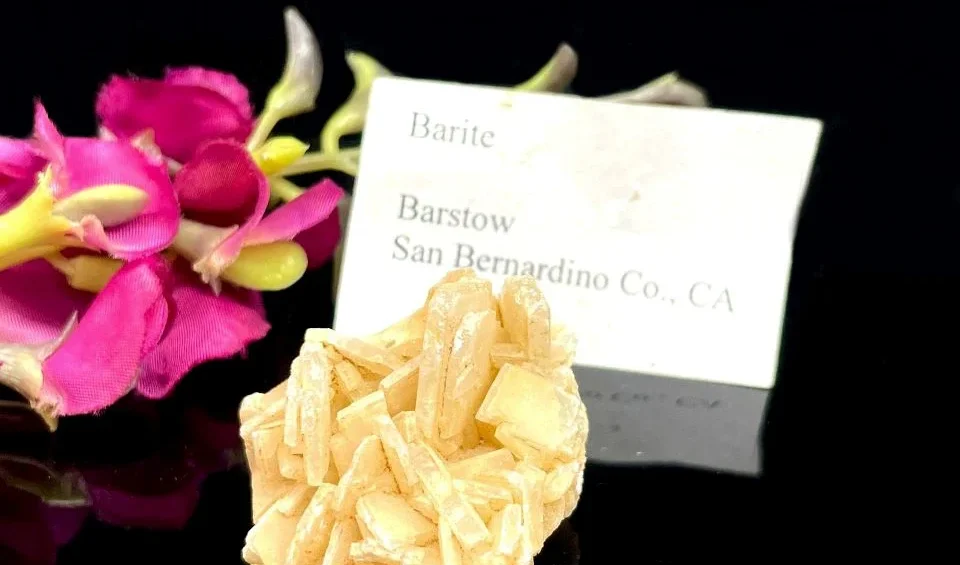
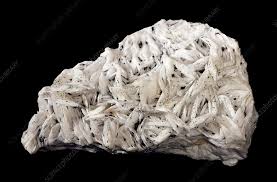
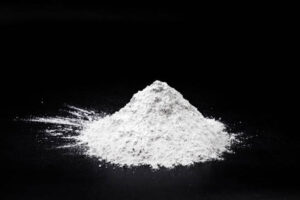
Barite is a naturally occurring mineral composed of barium sulfate (BaSO₄). It is typically white or colorless but can appear blue, brown, yellow, or gray depending on impurities.
Key Properties of Barite:
- High specific gravity (4.2–4.5)
- Chemically inert
- Non-toxic
- Insoluble in water
- High density
- Good radiation shielding properties
These properties make barite highly valuable across multiple industries.
Top Uses of Barite
1. Oil and Gas Drilling
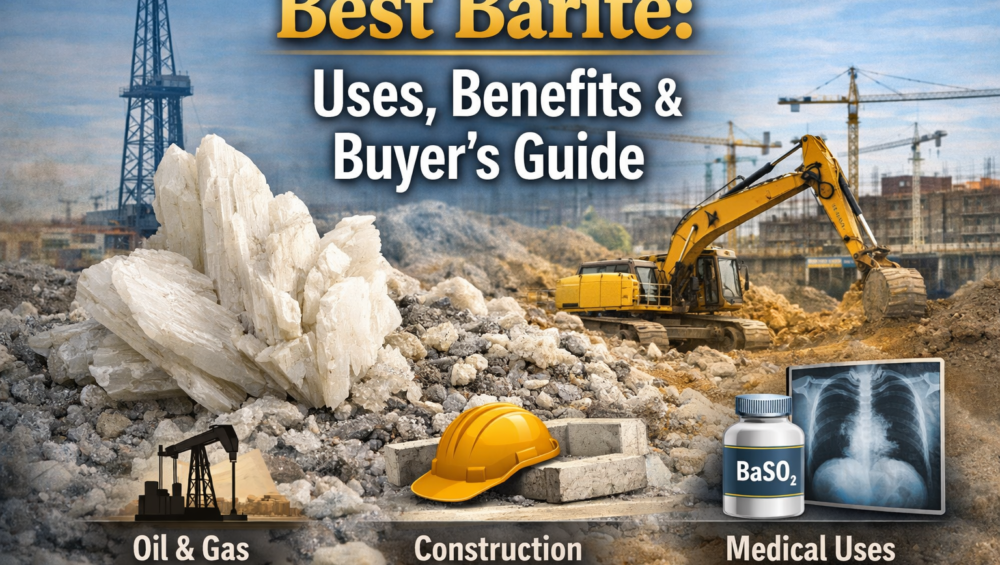
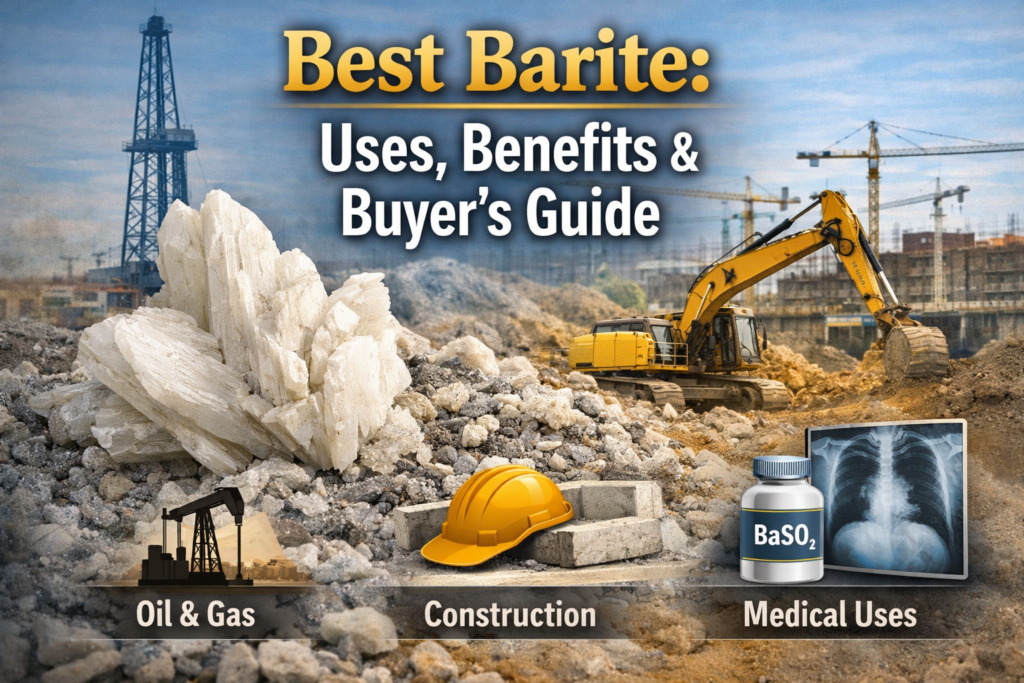
Barite is primarily used as a weighting agent in drilling mud. It helps control pressure in oil and gas wells and prevents blowouts.
Major oil-producing countries like United States, China, and India are among the largest consumers of drilling-grade barite.
2. Paints and Coatings
Barite is used as a filler in paints to:
- Improve durability
- Increase brightness
- Enhance corrosion resistance
3. Plastics and Rubber
It improves strength, weight, and sound insulation in plastic and rubber products.
4. Medical Industry
In medicine, purified barite is used for barium meals during X-ray imaging procedures. It helps doctors clearly view the digestive tract.
5. Construction Industry
Barite is used in:
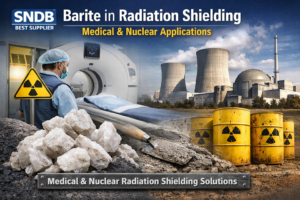
- Radiation-shielding concrete
- Soundproofing materials
- High-density cement
Benefits of Using High-Quality Barite
Improves drilling efficiency
Enhances product durability
Provides radiation protection
Chemically stable and safe
Cost-effective industrial mineral
Types of Barite
- Drilling Grade Barite
- Chemical Grade Barite
- Paint Grade Barite
- Medical Grade Barite
Each type has different purity levels and specifications.
Factors Affecting Barite Price
Barite prices depend on:
- Purity (BaSO₄ content)
- Specific gravity
- Particle size
- Supply & demand
- Export regulations
- Transportation cost
Countries like Morocco and Turkey are major exporters of barite globally.
How to Choose the Best Barite Supplier
When selecting a supplier, consider:
- Certifications & quality testing
- Consistent supply capability
- Competitive pricing
- Export experience
- Customer reviews
Frequently Asked Questions (FAQs)
1. What is barite mainly used for?
Barite is mainly used as a weighting agent in oil and gas drilling fluids.
2. Is barite safe?
Yes, barite (barium sulfate) is non-toxic and safe when properly processed.
3. What is the specific gravity of barite?
It ranges between 4.2 and 4.5.
4. Which country produces the most barite?
China is currently one of the largest producers of barite.
5. How is barite different from bauxite?
Barite is barium sulfate, while bauxite is an aluminum ore.
6. Can barite be used in radiation shielding?
Yes, due to its high density, it is widely used in radiation-blocking concrete.
7. What industries use barite besides oil and gas?
Paint, plastics, rubber, pharmaceuticals, and construction industries.