
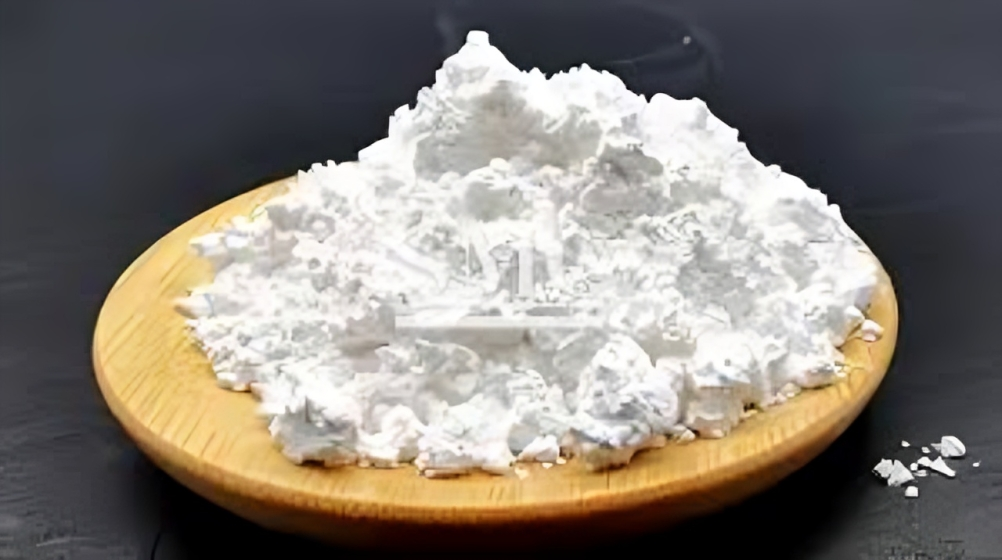
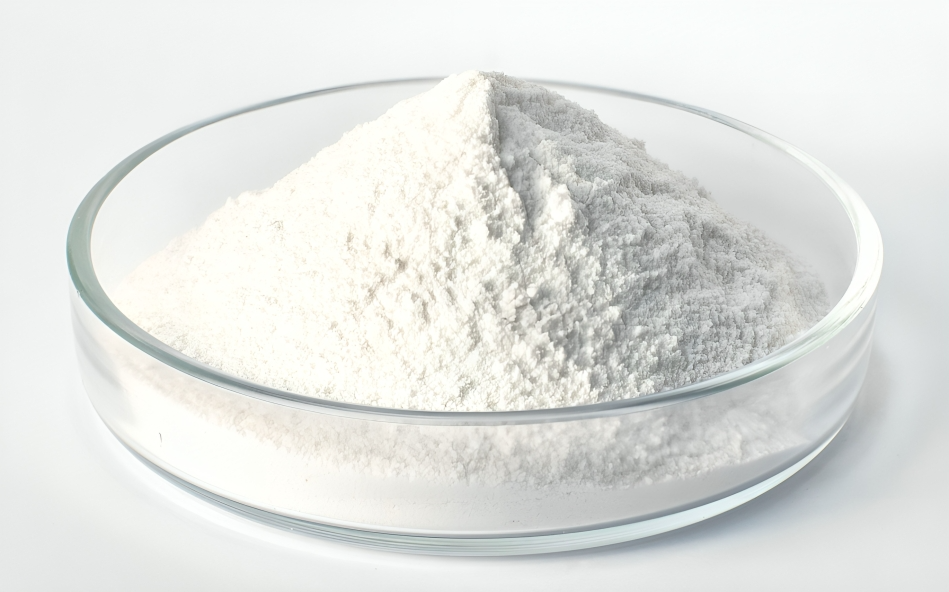
Barite is an important industrial mineral mainly used in the oil and gas industry as a weighting agent in drilling fluids. Due to its high specific gravity, chemical inertness, and low solubility, barite plays a crucial role in maintaining pressure control during drilling operations. The mining and processing of barite are therefore essential to support global energy production.
What is Barite?
Barite is a mineral composed of barium sulfate (BaSO₄). It is known for its high density, typically ranging from 4.2 to 4.5 g/cm³, which makes it suitable for use in drilling mud. Barite is usually found in sedimentary deposits and hydrothermal veins.
Barite Mining Methods
Baso4 is mined using both surface and underground mining methods, depending on the depth and type of deposit.
1. Surface Mining
Surface mining is the most common method and includes:
- Open-pit mining
- Quarrying
- Strip mining
In this method, the overburden (soil and rock covering the deposit) is removed, and barite ore is extracted using heavy machinery such as excavators and loaders.
2. Underground Mining
Underground mining is used when barite deposits are deep below the surface. This method involves:
- Shaft mining
- Room and pillar mining
Although more expensive, underground mining is sometimes necessary for high-quality barite deposits.
Barite Processing
After mining, barite ore undergoes several processing steps to meet the specifications required for oil drilling applications.
1. Crushing
The mined barite is first crushed using jaw crushers and cone crushers to reduce the size of the ore.
2. Grinding
The crushed ore is then ground into fine powder using ball mills or roller mills. The oil industry requires barite powder with very fine particle size.
3. Beneficiation
Beneficiation improves the purity and density of barite. Common methods include:
- Gravity separation
- Flotation
- Magnetic separation
- Washing
These processes remove impurities such as silica, iron oxide, and clay.
4. Drying and Packaging
The processed barite is dried and packed into bags or bulk containers for transportation to oil drilling companies.
Barite in Oil Drilling
Barite is mainly used as a weighting agent in drilling mud. Its main functions include:
- Controlling formation pressure
- Preventing blowouts
- Stabilizing the borehole
- Cooling and lubricating the drill bit
- Carrying drill cuttings to the surface
Without barite, drilling deep oil and gas wells would be extremely dangerous and inefficient.
Specifications for Oil Industry Barite
The oil industry has strict specifications for barite:
- Specific gravity: Minimum 4.2
- Low soluble salts
- Fine particle size
- High purity BaSO₄
- Low abrasive materials
These specifications ensure safe and efficient drilling operations.
Environmental Considerations
Barite mining can have environmental impacts such as land degradation, water pollution, and dust generation. Proper environmental management practices include:
- Land reclamation
- Waste management
- Water treatment
- Dust control systems
Sustainable mining practices are important to reduce environmental damage.
Barite mining and processing are essential to the oil and gas industry. From extraction to beneficiation and final use in drilling fluids, barite plays a critical role in safe and efficient drilling operations. With increasing global energy demand, the importance of barite will continue to grow, making it a valuable mineral resource worldwide.