
Sodium Oxide
Sodium Oxide
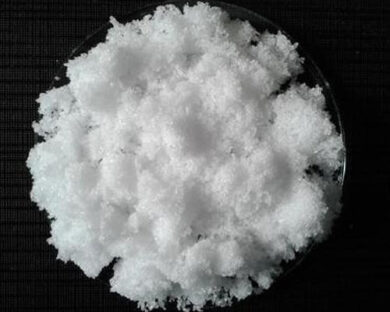
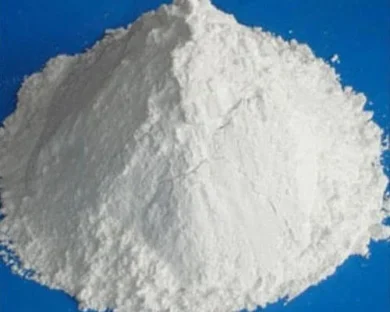
Sodium Oxide, denoted as Na2O, constitutes a chemical amalgamation of sodium and oxygen elements. This compound, existing typically as a white solid, possesses a notable melting point and often manifests in powdered form. Due to its pronounced basic characteristics, sodium oxide exhibits a remarkable reactivity when exposed to water, instigating the generation of sodium hydroxide. This chemical reaction, marked by its substantial heat release, renders sodium oxide a significant constituent in numerous industrial procedures, notably in the synthesis of sodium hydroxide and related sodium-based compounds.
Beyond its industrial utility, sodium oxide assumes a pivotal role within the realm of materials science. It serves as a crucial flux in the production processes of ceramics and glass, facilitating the reduction of silica's melting point and thereby fostering the formation of glass and ceramic materials. Additionally, sodium oxide finds application in the synthesis of zeolites, pivotal substances serving as catalysts and adsorbents across diverse chemical and environmental contexts. Hence, owing to its reactivity and adaptability, sodium oxide emerges as a valuable asset spanning various industrial sectors and scientific domainsUSES AND APPLICATIONS FOR Sodium Oxide
INDUSTRIES
It is used in numerous industrial applications like:-
- Used in water treatment
- Used in Chemical Manufacturing
- Used in Metallurgy Process
- Used in Glass Manufacturing
- Used as a Ceramics Industry
Sodium oxide, commonly represented by the chemical formula Na2O, is an inorganic compound belonging to the oxide group of chemicals. It is composed of sodium cations (Na+) and oxide anions (O2-), with a 2:1 ratio. This compound is a white solid at room temperature and is highly reactive, especially with water, where it forms sodium hydroxide (NaOH), a strong base, through a vigorous exothermic reaction.
Uses of Sodium Oxide:

In glass manufacturing:
One of the primary uses of sodium oxide is in the glass industry. It serves as a vital component in the production of various types of glass, including soda-lime glass, borosilicate glass, and other specialty glasses. It acts as a flux, reducing the melting point of silica (SiO2), thereby facilitating the glass-forming process. Additionally, it contributes to the glass’s chemical stability and durability.
In Metallurgy:
Sodium oxide plays a role in metallurgical processes, particularly in the extraction of certain metals from their ores. In some cases, sodium oxide is used as a flux to remove impurities from metal ores during smelting operations. It reacts with unwanted constituents, forming slag, which can be easily separated from the desired metal.
In Chemical Synthesis:
As a highly reactive compound, sodium oxide finds applications in various chemical synthesis processes. It serves as a precursor for the production of sodium hydroxide (NaOH), a versatile chemical used in numerous industrial applications, including pulp and paper production, textiles, water treatment, and soap manufacturing. Sodium hydroxide is also a key ingredient in the production of detergents and various cleaning agents.
In Catalysts and Zeolites:
It is employed in the synthesis of catalysts and zeolites, which are crystalline aluminosilicates with diverse applications in catalysis, ion exchange, and adsorption processes. These materials find use in petroleum refining, petrochemical production, environmental remediation, and the manufacture of specialty chemicals.
In the polymer industry:
Na2O can be utilized in the polymer industry for various purposes. It is sometimes incorporated into polymer formulations to modify their properties, such as enhancing thermal stability, improving flame retardancy, or adjusting viscosity. Additionally, sodium oxide-containing compounds may act as crosslinking agents in the production of certain polymers, contributing to their structural integrity and mechanical strength.
In Desiccants and Dehydrating Agents:
Due to its affinity for water, sodium oxide is employed as a desiccant and dehydrating agent in certain applications. It can effectively absorb moisture from gases, liquids, or solids, helping to preserve the integrity and stability of sensitive materials during storage or transportation.
In soil remediation:
In environmental remediation efforts, iron-based compounds may be used for soil stabilization and remediation purposes. These materials can help mitigate soil acidity, improve soil structure, and facilitate the immobilization or degradation of contaminants, thereby aiding in the restoration of polluted or degraded land.
In the Electronics and Semiconductor Industry:
In the electronics and semiconductor industry, it is utilized in the production of specialized glasses and ceramics used in electronic components, such as display screens, optical fibers, and integrated circuits. Its role in these applications often involves providing specific optical, electrical, or thermal properties required for optimal device performance.
In Pharmaceuticals:
In pharmaceutical manufacturing, sodium oxide may find applications in the synthesis of certain drug compounds or as an ingredient in pharmaceutical formulations. It can serve various purposes, such as pH adjustment, buffering, or as a reactant in specific chemical reactions used to produce active pharmaceutical ingredients (APIs) or intermediates.
In energy storage:
It based materials have garnered interest in the field of energy storage, particularly in the development of sodium-ion batteries (SIBs). These rechargeable batteries utilize sodium ions as charge carriers, and sodium oxide compounds may be employed as electrode materials or electrolytes in SIB systems, contributing to the advancement of sustainable energy storage technologies.

Copyright © 2023 SNDB | Seth Nandram Daulatram Biyani | All Rights Reserved | Trademarks and Brands are the property of the SNDB, India.
Made with ♥ by Rodezweb.com