
Sodium Carbonate (Soda Ash)
Sodium Carbonate
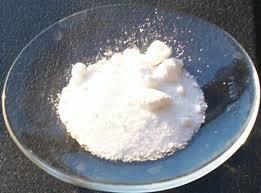
Soda ash has the chemical name sodium carbonate. It is also known as washing soda. Sodium carbonate is a white crystalline powder and has chemical formula is Na2CO3. Soda ash exists in mineral form as it hydrates salts and has several deposits all over the globe. Soda ash is hygroscopic solid but remains stable at room temperature. It is highly water-soluble but weakly acidic. When it is heated at a very high temperature or mixed with acids, it decomposes to emit toxic fumes of disodium oxide.
Sodium carbonate can be prepared in the laboratory by the Solvay process sodium chloride is treated with ammonia to obtain sodium bicarbonate. On heating, sodium bicarbonate converts into soda ash.
Soda ash has application in several industries like it is used for cleaning or washing clothes and known as washing soda. Silica is an essential component in glassmaking soda ash acts as a flux for silica by lowering the melting point of the mixture. Hard water consists of compounds like calcium and magnesium; therefore, permanent or temporary hardening of water uses soda ash for removing its hardness. Sodium carbonate is used as a food additive to regulate acidity. It is an essential component of the kansui to give ramen noodles its famous unique taste. It is a strong base but inexpensive as compared to sodium hydroxide and safe to use. Soda ash is used in brick production as a wetting agent to decrease the use of water. Soda ash is one of the essential components of a fire extinguisher.
Soda ash in solution form is highly alkaline and corrosive. On contact with eyes and skin, it can cause severe irritation. On inhalation of fumes can irritate the respiratory tract and lead to severe cough and shortness of breath.
USES AND APPLICATIONS FOR Sodium Carbonate
INDUSTRIES
It is used in numerous industrial applications like:-
- Water softener
- Food processing
- pH modifier
- Glass manufacturing
- Papermaking
- Soap and detergent making
… and many more.
Details of SNDB Chemicals Sodium Carbonate can be found below:-
Sodium carbonate, commonly known as soda ash or washing soda, is a versatile inorganic compound with a wide range of industrial and household applications. With its chemical formula Na2CO3, sodium carbonate plays a vital role in various industries, including glass manufacturing, detergents and cleaners, water treatment, and chemical synthesis.
Glass Manufacturing: One of the primary uses of sodium carbonate is in the production of glass. It serves as a fluxing agent, lowering the melting point of silica, thus facilitating the melting process and reducing energy consumption during glass manufacturing. Additionally, sodium-carbonate-soda-ash helps in controlling the viscosity of molten glass, resulting in a smoother surface finish and improved optical properties in glass products.
Detergents and Cleaners: Sodium carbonate is a key ingredient in many detergents and household cleaners due to its excellent cleaning properties. As a water softener, it helps to remove mineral deposits and dirt from fabrics and surfaces, making it effective in laundry detergents, dishwashing agents, and multipurpose cleaners. Its alkaline nature enables sodium carbonate to emulsify oils and grease, making it ideal for tackling tough stains and grime.
Water Treatment: In water treatment processes, sodium-carbonate-soda-ash is used to adjust pH levels and neutralize acidic water. By raising the pH of acidic water, sodium carbonate helps to prevent corrosion of pipes and equipment, thus extending their lifespan. It also aids in the precipitation of dissolved metals and impurities, facilitating their removal through filtration or sedimentation processes.
Chemical Synthesis: Sodium carbonate serves as a versatile chemical precursor in various synthesis reactions. It is commonly used in the production of sodium bicarbonate (baking soda), sodium silicates, and various organic compounds. Additionally, sodium-carbonate-soda-ash is employed in pH regulation and buffering solutions in laboratory settings and industrial processes.
Food Industry: While sodium-carbonate-soda-ash is not directly used as a food additive, it plays a role in food processing and preservation. It is employed in the production of certain food-grade chemicals and additives, such as sodium citrate and sodium benzoate, which are used as preservatives, emulsifiers, and flavoring agents in processed foods and beverages.
Environmental Applications: Sodium carbonate finds applications in environmental remediation and pollution control. It is used in flue gas desulfurization processes to remove sulfur dioxide emissions from industrial exhaust gases, helping to reduce air pollution and mitigate acid rain effects. Additionally, sodium carbonate is employed in soil remediation projects to neutralize acidic soils and improve fertility for agricultural purposes.
Contact us for Details of SNDB Chemicals.
Copyright © 2023 SNDB | Seth Nandram Daulatram Biyani | All Rights Reserved | Trademarks and Brands are the property of the SNDB, India.
Made with ♥ by Rodezweb.com