
Potassium Sulphate
What is Potassium Sulphate
Potassium is present in Earth's crust. But potassium sulphate (K₂SO₄) is rarely found in nature and is also known as arcanite. (K₂SO₄) can be formed in the laboratory by reacting KCl with sulphuric acid. By using the Hargreaves process, sulphur dioxide, oxygen, water, and potassium chloride potassium sulphate.
Potassium is an essential mineral for plant nutrition. On the other hand, potassium sulphate is a brilliant source of potassium for plants. And the potassium component in potassium sulphate is the same as potash fertilizer. Potassium sulphate is also a source of that sulphate is used by plants for enzyme and protein synthesis. Potassium sulphate also helps plants in regulating water in leaves and branches. Studies show that the low concentration of K in soil results in less plant growth. Other uses of potassium sulphate include; the production of gypsum board and gypsum cement, the synthesis of potassium alum; as a flash reducer, glass making, and ceramics
Potassium sulphate is found naturally as mixed salts with magnesium, chloride, and sodium; or as components of minerals like kainite, leonite, glaserite, and stassfurt salts. Additional processing is required for these salts to separate from potassium sulphate.
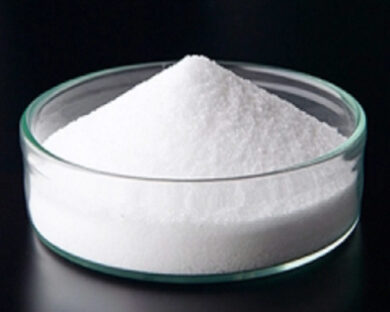
Potassium sulphate is a white, odourless crystalline powder which highly water-soluble. The solubility of potassium sulphate increases with increasing temperature, but it is insoluble in ethanol and acetone. Potassium sulphate is non-combustible, but it can be slightly irritant for eyes and mucous.
We can provide approx. 99.6% of K2SO4 for production of best fertilizer or other industrial use.
USES AND APPLICATIONS FOR Potassium Sulphate
INDUSTRIES
It is used in numerous industrial applications like:-
- In making fertilizers.
- Glass production.
- Pyrotechnics as an alternative.
- Used as flash reducer in explosives
- Production of gypsum board and cement
- Production potassium alum
- Production of dyes and lubricants
… and many more.
Details of SNDB Chemicals Potassium Sulphate can be found below:-
Potassium sulphate, also known as sulphate of potash (SOP), is a premium quality, water-soluble fertilizer renowned for its high potassium content and essential role in promoting plant growth and development. With a chemical formula of K2SO4, potassium sulphate is a versatile nutrient source suitable for a wide range of crops, making it a preferred choice among farmers, horticulturists, and gardeners worldwide.
Key Features and Benefits:
- High Potassium Content: Potassium sulphate contains a significant amount of potassium (K), a vital macronutrient essential for various physiological processes in plants. Potassium plays a crucial role in enzyme activation, photosynthesis, osmoregulation, and overall plant health.
- Sulphur Supplement: In addition to potassium, potassium sulphate provides sulphur (S), another essential nutrient required for plant growth. Sulphur is a constituent of amino acids, proteins, and enzymes, contributing to plant metabolism, chlorophyll synthesis, and nitrogen utilization.
- Water-Soluble Formula: Potassium sulphate is highly soluble in water, ensuring rapid nutrient uptake by plants and efficient utilization without the risk of nutrient leaching or wastage. Its water-soluble nature makes it suitable for various application methods, including foliar spraying, fertigation, and soil drenching.
- pH Neutral:potassium-sulphate has a neutral pH, which helps maintain optimal soil pH levels when applied, preventing soil acidity or alkalinity issues that may hinder nutrient availability and plant growth. Its neutral nature makes it compatible with a wide range of soil types and cropping systems.
- Crop Compatibility: potassium-sulphate is suitable for use on various crops, including fruits, vegetables, grains, ornamentals, and turfgrass. Whether used in commercial agriculture, greenhouse production, or home gardening, potassium sulphate promotes robust root development, improved flowering, fruit set, and overall crop yield and quality.
- Chloride-Free: Unlike other potassium fertilizers such as potassium chloride (MOP), potassium sulphate is chloride-free, making it an ideal choice for chloride-sensitive crops like tobacco, potatoes, fruits, and certain vegetables. Its chloride-free formulation ensures optimal nutrient uptake and minimizes the risk of chloride-induced crop damage.
- Long-lasting Effect: Potassium sulphate provides a sustained release of potassium and sulphur, ensuring a steady and prolonged supply of nutrients to plants throughout their growth stages. This prolonged nutrient availability promotes balanced nutrient uptake, reduces nutrient deficiencies, and enhances plant resilience to environmental stressors.
Application Guidelines:
- Soil Application: Incorporate potassium-sulphate into the soil before planting or apply as a top dressing during the growing season. Consult soil test results and crop nutrient requirements for precise application rates.
- Foliar Application: Dissolve potassium sulphate in water and apply as a foliar spray to deliver potassium and sulphur directly to plant foliage. Ensure thorough coverage for maximum absorption.
- Fertigation: Mix potassium-sulphate with irrigation water and apply through drip or sprinkler irrigation systems to deliver nutrients directly to plant roots. Adjust application rates based on crop stage, soil moisture levels, and nutrient requirements.
Contact us for Details of SNDB Chemicals.
Copyright © 2023 SNDB | Seth Nandram Daulatram Biyani | All Rights Reserved | Trademarks and Brands are the property of the SNDB, India.
Made with ♥ by Rodezweb.com