
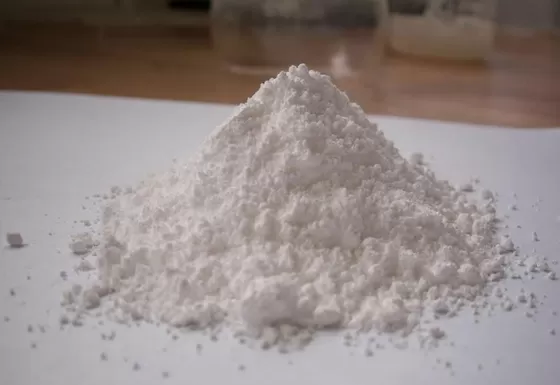
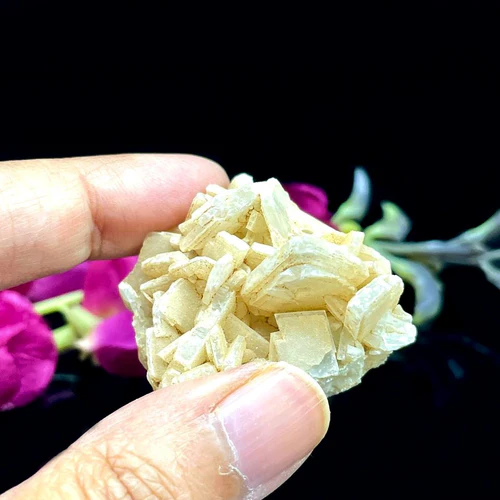
Baryte (also spelled barite) is a naturally occurring mineral composed of barium sulfate (BaSO₄). It is widely recognized for its high density, chemical stability, and diverse industrial applications. Because of these characteristics, baryte has become an essential raw material in industries such as oil and gas drilling, paints, plastics, rubber, and radiation shielding. Manufacturers like SNDB are known for producing high-quality processed baryte used in various industrial sectors.
Baryte
Baryte derives its name from the Greek word “barys,” meaning heavy, which reflects its most distinctive feature—its high specific gravity compared to other non-metallic minerals. It typically appears in white, colorless, or pale shades, though impurities can give it yellow, brown, blue, or gray hues.
Baryte is commonly found in sedimentary, hydrothermal, and residual deposits. Major producing countries include China, India, Morocco, and the United States.
Crystal Structure of Baryte
Baryte crystallizes in the orthorhombic crystal system, where the crystal lattice consists of three mutually perpendicular axes of unequal length. The mineral structure is composed of barium ions (Ba²⁺) and sulfate groups (SO₄²⁻) arranged in a stable lattice.
Key structural characteristics include:
- Crystal system: Orthorhombic
- Crystal habit: Tabular, prismatic, or plate-like crystals
- Cleavage: Perfect cleavage in one direction and good cleavage in two others
- Transparency: Transparent to translucent
The strong ionic bonding between barium and sulfate ions gives baryte its remarkable stability and resistance to chemical reactions, making it useful in harsh industrial environments.
Physical Properties of Baryte
Baryte exhibits several important physical properties that make it valuable in industrial applications.
1. High Density
One of baryte’s most notable characteristics is its high specific gravity (about 4.2–4.5). This property makes it ideal for use in drilling fluids where weight is needed to control well pressure.
2. Hardness
On the Mohs hardness scale, baryte has a hardness of 3 to 3.5, meaning it is relatively soft and can be easily ground into fine powder for industrial uses.
3. Color and Appearance
Baryte is usually white or colorless, but impurities may produce various colors such as yellow, blue, gray, or brown.
4. Chemical Stability
Baryte is insoluble in water and chemically inert, which makes it safe and stable for applications in paints, plastics, and medical uses.
5. Non-magnetic and Non-conductive
The mineral does not conduct electricity and is not magnetic, adding to its usefulness in specialized industrial environments.
Industrial Applications
Due to its unique physical and chemical properties, baryte is widely used across multiple industries:
- Oil and Gas Drilling: Used as a weighting agent in drilling mud to control underground pressure.
- Paints and Coatings: Improves brightness, durability, and chemical resistance.
- Plastics and Rubber: Acts as a filler to enhance strength and density.
- Radiation Shielding: Used in medical and nuclear facilities due to its high density.
- Glass and Ceramics: Improves clarity and stability.
High-purity baryte supplied by manufacturers such as SNDB ensures consistent quality and performance in these demanding applications.
Baryte (BaSO₄) is a unique mineral distinguished by its orthorhombic crystal structure, high density, and chemical stability. These physical properties make it indispensable in several modern industries, especially oil and gas drilling and manufacturing. As global demand for high-quality industrial minerals continues to grow, reliable producers like SNDB play a crucial role in supplying refined baryte that meets strict industrial standards.